


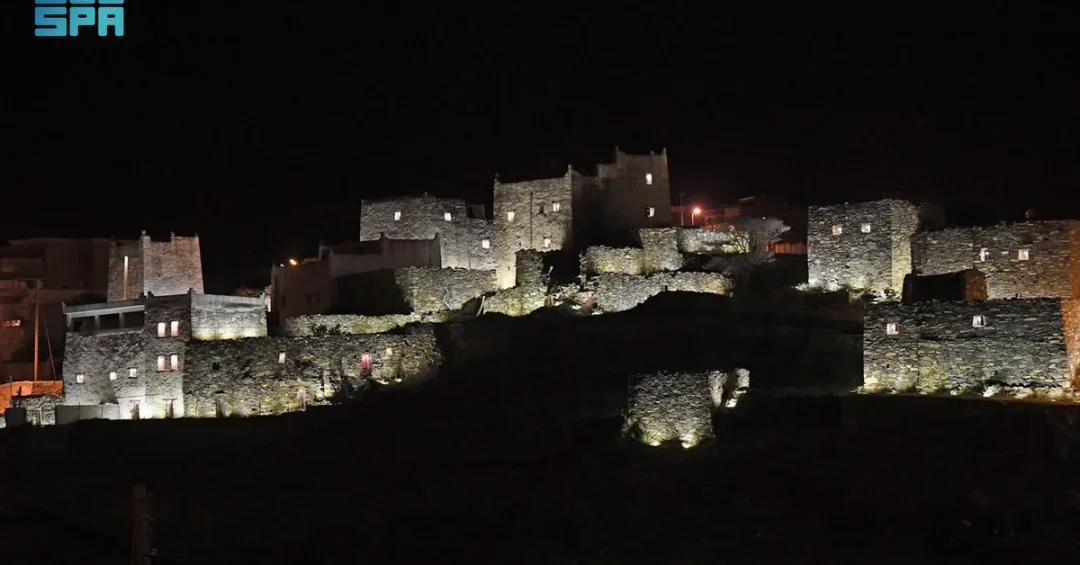
Nestled in the southwestern corner of Saudi Arabia, the Aseer region is emerging as a global tourism gem, celebrated for its stunning natural landscapes, temperate climate, and rich cultural heritage. According to the Saudi Press Agency (SPA), Aseer offers a unique blend of history and modernity, positioning itself as a year-round destination that showcases the Kingdom’s ambitious tourism vision.
Context and Background
Aseer, often spelled Asir, has long been a beacon for travelers seeking natural beauty and cultural authenticity. Its highlands experience summer temperatures rarely exceeding 24 degrees Celsius, about 10 degrees cooler than the rest of Saudi Arabia, providing a cool respite. The region’s diverse topography spans a 125 km Red Sea coastline and Mount Al-Sawda, the Kingdom’s tallest peak at 3,015 meters.
The region’s forests constitute 80% of Saudi Arabia’s forested areas and host over 1,560 plant species, including juniper, tamarisk, and wild cloves. This ecological richness underpins Aseer’s appeal as a destination for nature lovers and researchers alike.
Key Details: Tourism Offerings and Achievements
Agricultural tourism thrives on Aseer’s picturesque terraces, which showcase traditional farming and sustainable practices. Festivals since the 1990s, such as the summer festival and tourist caravan, feature evening events, theatre performances, and traditional shows, drawing visitors from far and wide.
In 2017, Abha, the capital of Aseer, was named the Arab Tourism Capital, recognizing its natural beauty and heritage. More recently, Aseer was awarded the title of World Region of Gastronomy 2024, becoming the first region outside Europe to receive this honor, highlighting its culinary excellence and local artisans.
Implications and Impact
Aseer’s tourism strategy aims for nine million visits by 2030, transforming the region into a global hub for entertainment, culture, and indoor activities while preserving its heritage. This development fosters economic growth, creates jobs, and promotes sustainable practices, aligning with Saudi Arabia’s Vision 2030 goals to diversify the economy and boost international tourism.
The region’s distinctive architecture and culinary delights further enhance its charm, attracting investments and partnerships that support a prosperous economy tied to tourism.
Vision 2030 Alignment
Aseer’s ambitions are integral to Saudi Arabia’s Vision 2030, which seeks to reduce oil dependence and elevate the Kingdom’s global standing. By marrying authenticity with modernity, Aseer exemplifies how regional development can drive national progress, welcoming the world to experience Saudi Arabia’s natural and cultural treasures.
20 Questions
Q1. What makes Aseer’s climate unique in Saudi Arabia?
A1. Aseer’s highlands have a temperate climate with summer temperatures rarely exceeding 24 degrees Celsius, about 10 degrees cooler than other regions, offering a cool escape year-round.
Q2. How tall is Mount Al-Sawda and where is it located?
A2. Mount Al-Sawda is the tallest peak in Saudi Arabia, standing at 3,015 meters above sea level in the Aseer region, offering breathtaking views and diverse terrain.
Q3. What percentage of Saudi Arabia’s forests are in Aseer?
A3. Aseer’s forests constitute 80% of the Kingdom’s forested areas, hosting over 1,560 species of natural plants, including juniper, tamarisk, and acacia.
Q4. What is the significance of Aseer’s agricultural terraces?
A4. The agricultural terraces epitomize rural life and traditional farming practices, enchanting visitors during summer months while highlighting sustainable agriculture and conservation efforts.
Q5. When was Abha named Arab Tourism Capital?
A5. Abha, the capital of Aseer, was named Arab Tourism Capital in 2017, recognized for its natural beauty, climate, historical significance, and cultural heritage.
Q6. What recent gastronomy award did Aseer receive?
A6. Aseer was awarded the World Region of Gastronomy 2024 title, becoming the first region outside Europe to receive this honor, celebrating its culinary delights and local artisans.
Q7. What is Aseer’s tourism target for 2030?
A7. Aseer aims for nine million visits by 2030, planning to become a global destination that balances authenticity with modernity, entertainment, culture, and indoor activities.
Q8. How do festivals contribute to Aseer’s economy?
A8. Festivals since the 1990s, like the summer festival and tourist caravan, draw visitors and involve public and private sectors, featuring events that boost local businesses and cultural exchange.
Q9. What types of flora are found in Aseer?
A9. Aseer supports diverse flora including juniper, tamarisk, sidr, wild cloves, and acacia, among others, thriving in its varied topography and climate.
Q10. How long is Aseer’s coastline?
A10. Aseer has a coastline stretching 125 km along the Red Sea, offering stunning landscapes and opportunities for coastal tourism and development.
Q11. What economic initiatives support Aseer’s tourism?
A11. Initiatives include enhancing tourism experiences in Abha, marketing the region’s identity, and developing investment plans to foster a prosperous economy supported by tourism.
Q12. Why is Aseer attractive for year-round visits?
A12. Its temperate climate, diverse terrain, and rich cultural offerings make Aseer appealing year-round, with cool summers and mild winters attracting global travelers.
Q13. What role does Aseer play in Saudi Vision 2030?
A13. Aseer is key to Vision 2030 by diversifying the economy through tourism, creating jobs, and showcasing Saudi Arabia’s natural and cultural heritage to the world.
Q14. What architectural styles are prominent in Aseer?
A14. Aseer features distinctive architectural styles that reflect its heritage, enhancing its charm and offering visitors a glimpse into traditional Saudi design and craftsmanship.
Q15. How does Aseer balance development and preservation?
A15. Aseer’s strategy maintains a balance between modern development and preservation of its unique cultural and natural heritage, ensuring sustainable tourism growth.
Q16. What culinary delights is Aseer known for?
A16. Aseer is renowned for local culinary delights crafted by skilled artisans, contributing to its recognition as World Region of Gastronomy 2024.
Q17. What is the significance of Aseer’s plant diversity?
A17. With over 1,560 plant species, Aseer’s biodiversity supports ecological research, conservation, and nature-based tourism, enriching the visitor experience.
Q18. How has SPA reported on Aseer’s tourism potential?
A18. SPA highlights Aseer’s climate, topography, and cultural events as key attractions, emphasizing its role in Saudi Arabia’s tourism strategy and Vision 2030.
Q19. What makes Aseer a hub for entertainment and culture?
A19. Aseer’s festivals, theatre performances, and traditional shows, along with its architectural and culinary heritage, make it a vibrant hub for entertainment and culture.
Q20. What future developments are planned for Aseer?
A20. Future plans include expanding tourism infrastructure, attracting investments, and enhancing visitor experiences to achieve nine million visits by 2030, aligning with Vision 2030.
Reader Feedback
We value your thoughts. Please share your feedback on this article.
Your feedback helps us improve our coverage.