


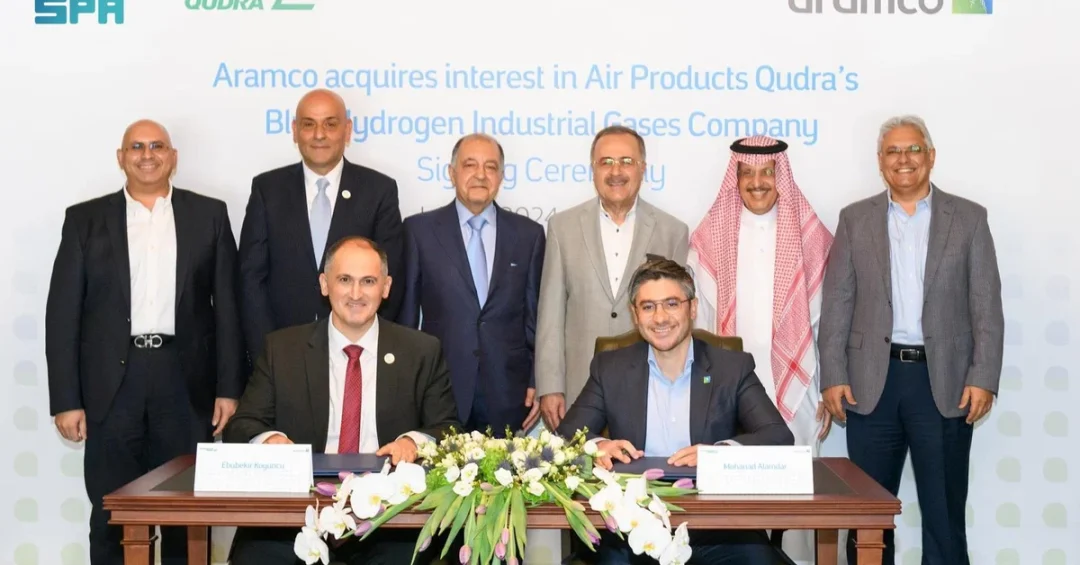
Saudi Aramco, the global integrated energy and chemicals company, has signed definitive agreements to acquire a 50% equity stake in the Jubail-based Blue Hydrogen Industrial Gases Company (BHIG), a wholly owned subsidiary of Air Products Qudra (APQ). The announcement, released via the Saudi Press Agency, marks a significant step in the Kingdom’s efforts to develop a low-carbon hydrogen network and expand its alternative energy portfolio. The transaction, subject to standard closing conditions, also includes options for Aramco to offtake hydrogen and nitrogen, reinforcing its commitment to a diversified energy future.
Context and Background
Saudi Aramco’s investment in BHIG aligns with its broader strategy to lead in low-carbon hydrogen production and support the Kingdom’s Vision 2030 goals for economic diversification and environmental sustainability. BHIG, based in Jubail, is designed to produce lower-carbon hydrogen while capturing and storing carbon dioxide (CO2). This project is expected to serve both domestic and regional customers, enhancing Saudi Arabia’s position as a key player in the global hydrogen economy.
The partnership with APQ, a joint venture between Air Products and Qudra Energy, builds on an existing relationship. Upon completion, Aramco and APQ will each hold a 50% stake in BHIG. This collaboration underscores the Kingdom’s commitment to advancing clean energy technologies and reducing carbon emissions in line with international climate goals.
Key Details
Ashraf Al Ghazzawi, Aramco’s executive vice president of strategy and corporate development, highlighted that the investment reflects Aramco’s ambition to grow its low-carbon hydrogen business. He noted promising commercial opportunities for low-emission hydrogen and emphasized Aramco’s capabilities in carbon capture and storage (CCS) and hydrogen technical expertise. Al Ghazzawi stated that this move could help lay the foundation for the energy system of the future.
Dr. Samir J. Serhan, chairman of APQ, expressed enthusiasm about expanding the longstanding partnership with Aramco. He emphasized the goal of establishing the largest hydrogen network in the Middle East, serving the refining, chemical, and petrochemical industries. Dr. Serhan also highlighted APQ’s expertise in hydrogen business and pipelines, and its commitment to supporting Aramco’s efforts to secure reliable supplies of low-carbon hydrogen.
BHIG intends to commence commercial operations in coordination with Aramco’s CCS activities, further integrating low-carbon solutions into Saudi Arabia’s industrial landscape. The transaction remains subject to customary closing conditions, with both parties eager to proceed.
Implications and Impact
This acquisition is poised to bolster Saudi Arabia’s leadership in the global hydrogen market. By investing in BHIG, Aramco is not only expanding its new energy portfolio but also contributing to the development of a lower-carbon hydrogen network in the Kingdom’s Eastern Province. This network is expected to serve domestic and regional customers, promoting sustainable industrial practices and reducing carbon footprints.
On an international level, the deal strengthens Saudi Arabia’s role in the energy transition, demonstrating its commitment to innovative solutions that balance economic growth with environmental responsibility. It also reinforces the Kingdom’s position as a reliable energy partner, capable of meeting future hydrogen demand. The partnership with APQ signals confidence in the region’s potential to become a hub for hydrogen production and export.
Vision 2030 Alignment
This investment is a testament to Saudi Arabia’s Vision 2030, which aims to diversify the economy away from oil dependence and foster sustainable development. By advancing low-carbon hydrogen and CCS technologies, Aramco is contributing to the Kingdom’s environmental goals and economic diversification. The collaboration with APQ aligns with Vision 2030’s emphasis on innovation and international partnerships, positioning Saudi Arabia as a global leader in the new energy era.
20 Questions
Q1. What did Saudi Aramco sign agreements to acquire?
A1. Saudi Aramco signed definitive agreements to acquire a 50% equity stake in the Jubail-based Blue Hydrogen Industrial Gases Company (BHIG), a wholly owned subsidiary of Air Products Qudra (APQ). This move supports Aramco’s low-carbon hydrogen ambitions.
Q2. Who is the parent company of BHIG?
A2. BHIG is a wholly owned subsidiary of Air Products Qudra (APQ), which is a joint venture between Air Products and Qudra Energy. APQ focuses on industrial gas projects in the region.
Q3. What is the location of BHIG?
A3. BHIG is based in Jubail, a major industrial city in the Eastern Province of Saudi Arabia. Jubail is home to numerous petrochemical and refining facilities, making it ideal for hydrogen production.
Q4. What options does Aramco have in the transaction?
A4. As part of the agreement, Aramco has options to offtake hydrogen and nitrogen from BHIG. This ensures a reliable supply for its operations and supports the development of a low-carbon hydrogen network.
Q5. Who is Ashraf Al Ghazzawi?
A5. Ashraf Al Ghazzawi is the executive vice president of strategy and corporate development at Saudi Aramco. He highlighted the investment as a key step in expanding Aramco’s new energy portfolio and low-carbon hydrogen business.
Q6. What did Dr. Samir J. Serhan say about the partnership?
A6. Dr. Samir J. Serhan, chairman of APQ, affirmed the expansion of the longstanding partnership with Aramco. He expressed eagerness to establish the largest hydrogen network in the Middle East, serving refining, chemical, and petrochemical industries.
Q7. What is the expected ownership structure after the transaction?
A7. Upon completion, Saudi Aramco and APQ are expected to each own a 50% stake in BHIG. This equal partnership reflects mutual commitment to advancing the hydrogen economy in Saudi Arabia.
Q8. What does BHIG produce?
A8. BHIG is designed to produce lower-carbon hydrogen while capturing and storing carbon dioxide (CO2). This process supports the reduction of emissions in industrial applications and aligns with global sustainability goals.
Q9. When will BHIG commence commercial operations?
A9. BHIG intends to commence commercial operations in coordination with Aramco’s carbon capture and storage (CCS) activities. The timing ensures integration with Aramco’s broader low-carbon initiatives.
Q10. What are the closing conditions for the transaction?
A10. The transaction is subject to standard closing conditions, which are customary in such agreements. These conditions must be met before the deal is finalized, ensuring regulatory and operational readiness.
Q11. How does this investment support Saudi Arabia’s Vision 2030?
A11. The investment supports Vision 2030 by diversifying the economy and promoting sustainable energy. It enhances Saudi Arabia’s leadership in low-carbon hydrogen, aligning with goals for environmental stewardship and economic growth.
Q12. What is the significance of the Eastern Province in this project?
A12. The Eastern Province is a key industrial hub in Saudi Arabia, hosting major energy and petrochemical facilities. Developing a hydrogen network there serves domestic and regional customers, boosting the local economy.
Q13. What expertise does APQ bring to the partnership?
A13. APQ brings expertise in hydrogen business and pipelines, as well as industrial gas projects. Its collaboration with Aramco aims to establish a robust hydrogen network, leveraging both companies’ strengths.
Q14. How does Aramco’s CCS capability factor into this deal?
A14. Aramco’s growing capabilities in carbon capture and storage (CCS) are crucial for producing lower-carbon hydrogen. BHIG’s operations will coordinate with Aramco’s CCS activities, ensuring effective carbon management.
Q15. What industries will the hydrogen network serve?
A15. The hydrogen network is expected to serve the refining, chemical, and petrochemical industries. These sectors are vital to Saudi Arabia’s economy and will benefit from low-carbon hydrogen supplies.
Q16. What is the Middle East’s largest hydrogen network?
A16. The partnership aims to establish the largest hydrogen network in the Middle East. This network will provide low-carbon hydrogen to various industries, supporting regional energy transition efforts.
Q17. Why is low-carbon hydrogen important for Saudi Arabia?
A17. Low-carbon hydrogen is important for reducing carbon emissions and diversifying energy sources. It supports Saudi Arabia’s commitment to sustainability and its goal to lead in clean energy technologies.
Q18. What commercial opportunities exist for low-emission hydrogen?
A18. There are promising commercial opportunities for low-emission hydrogen in domestic and international markets. As industries seek cleaner energy, demand for hydrogen is expected to grow, benefiting Saudi Arabia.
Q19. How does this deal impact Saudi Arabia’s global energy role?
A19. This deal strengthens Saudi Arabia’s global energy role by showcasing its commitment to innovative, low-carbon solutions. It positions the Kingdom as a reliable partner in the energy transition and a leader in hydrogen production.
Q20. What is the source of this information?
A20. The information is based on an official announcement released via the Saudi Press Agency (SPA). SPA is a recognized Saudi news authority, ensuring the accuracy and reliability of the details provided.
Reader Feedback
We value your thoughts. Please share your feedback on this article.
Your feedback helps us improve our coverage.