


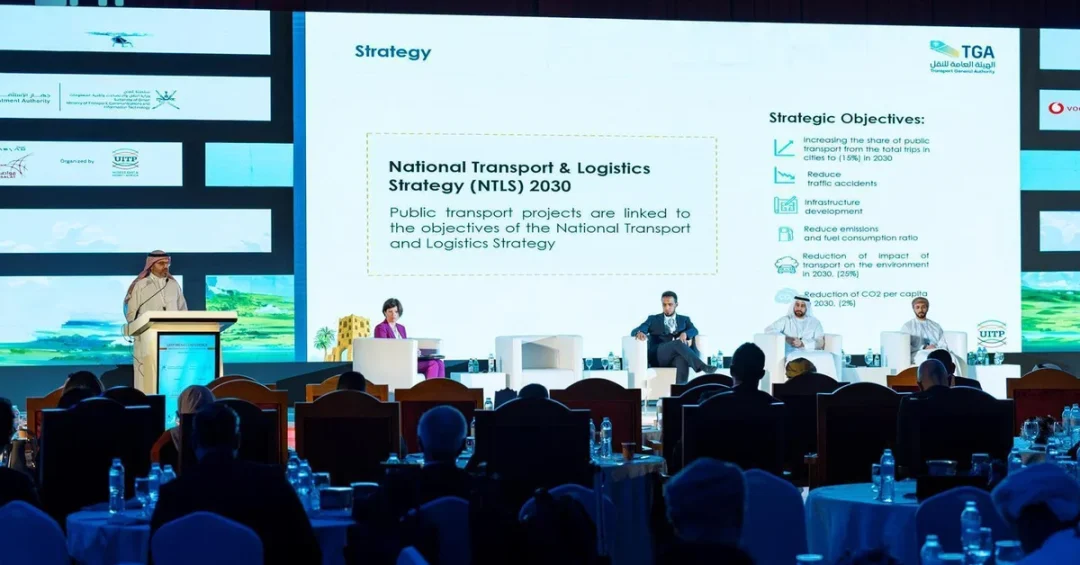
Saudi Arabia’s Transport General Authority (TGA) participated in the UITP Middle East Conference of the International Association of Public Transport, held in Muscat, Oman, underscoring the Kingdom’s commitment to advancing smart transportation and green technology. The conference, which took place in July 2024, focused on the latest developments in sustainable urban mobility and the integration of public transport systems. The TGA’s delegation, led by Undersecretary for the Land Transport Sector Eng. Abdulmajeed Al-Tasan and Supervisor General of the Passenger Transport Sector Dr. Rayan Al-Hazmi, shared Saudi Arabia’s progress and vision for a modern, efficient transport network aligned with Vision 2030.
Context and Background
The UITP Middle East Conference is a premier event that brings together transport authorities, operators, and industry experts from across the region to discuss innovations in public transport. This year’s conference highlighted the critical role of smart transportation and green technology in achieving sustainability in modern cities. Saudi Arabia’s active participation reflects its ongoing efforts to develop a world-class transport infrastructure that supports economic growth and improves quality of life.
Key Details
During the conference, Eng. Abdulmajeed Al-Tasan participated in a dialogue session on ways to strengthen public transport structure and integration. He emphasized the importance of seamless connectivity between different modes of transport to enhance user experience and operational efficiency. Dr. Rayan Al-Hazmi delivered a paper titled “Intelligent Transportation Systems and Enhancing Communication and Mobility,” where he discussed how advanced technologies can optimize traffic management, reduce congestion, and improve safety. The Saudi delegation also showcased the Kingdom’s initiatives in adopting electric vehicles, expanding metro and bus networks, and integrating digital solutions for ticketing and real-time information.
Implications and Impact
Saudi Arabia’s participation in the UITP conference reinforces its position as a regional leader in transport innovation. By sharing expertise and learning from global best practices, the TGA aims to accelerate the implementation of smart mobility solutions across the Kingdom. This engagement also fosters international cooperation, attracting investment and partnerships that can support the development of sustainable transport projects. The focus on green technology aligns with global efforts to reduce carbon emissions and combat climate change, demonstrating Saudi Arabia’s commitment to environmental stewardship.
Vision 2030 Alignment
The TGA’s involvement in the UITP Middle East Conference directly supports Saudi Vision 2030, which seeks to diversify the economy, enhance public services, and improve the quality of life for citizens and residents. By investing in modern transport infrastructure and smart technologies, the Kingdom is building a sustainable and efficient mobility ecosystem that will drive economic growth, create jobs, and position Saudi Arabia as a global hub for innovation and logistics. As the Kingdom continues to transform its transport sector, such international engagements are crucial for knowledge exchange and showcasing Saudi Arabia’s progress on the world stage.
20 Questions
Q1. What is the Transport General Authority (TGA)?
A1. The TGA is a Saudi government agency responsible for regulating and developing the Kingdom’s land, rail, and maritime transport sectors, ensuring safety, efficiency, and alignment with Vision 2030.
Q2. What was the UITP Middle East Conference?
A2. The UITP Middle East Conference is a regional event organized by the International Association of Public Transport, bringing together stakeholders to discuss advancements in public transport and sustainable urban mobility.
Q3. Where and when did the conference take place?
A3. The conference was held in Muscat, Oman, in July 2024, attracting transport authorities and experts from across the Middle East and beyond.
Q4. Who represented Saudi Arabia at the conference?
A4. The Saudi delegation was led by Eng. Abdulmajeed Al-Tasan, Undersecretary for the Land Transport Sector, and Dr. Rayan Al-Hazmi, Supervisor General of the Passenger Transport Sector.
Q5. What topics were discussed at the conference?
A5. The conference focused on smart transportation, green technology, sustainability in modern cities, and the integration of public transport systems.
Q6. What role did Eng. Abdulmajeed Al-Tasan play?
A6. Eng. Al-Tasan participated in a dialogue session on strengthening public transport structure and integration, sharing Saudi Arabia’s experiences and insights.
Q7. What was the title of Dr. Rayan Al-Hazmi’s paper?
A7. Dr. Al-Hazmi delivered a paper titled “Intelligent Transportation Systems and Enhancing Communication and Mobility.”
Q8. What are intelligent transportation systems?
A8. Intelligent transportation systems use advanced technologies like AI, IoT, and data analytics to improve traffic management, reduce congestion, and enhance mobility and safety.
Q9. How does Saudi Arabia benefit from participating in such conferences?
A9. Participation allows Saudi Arabia to share its progress, learn from global best practices, and foster international partnerships that support its transport development goals.
Q10. What is the significance of green technology in transportation?
A10. Green technology reduces carbon emissions and environmental impact, supporting sustainability and aligning with global climate goals and Saudi Vision 2030.
Q11. How does the TGA contribute to Vision 2030?
A11. The TGA develops modern transport infrastructure, enhances connectivity, and promotes smart mobility, which are key to economic diversification and improved quality of life under Vision 2030.
Q12. What are some smart transportation initiatives in Saudi Arabia?
A12. Initiatives include the Riyadh Metro, electric bus fleets, smart ticketing systems, and real-time passenger information apps, all aimed at improving urban mobility.
Q13. How does public transport integration benefit cities?
A13. Integration allows seamless transfers between different modes, reduces travel time, increases ridership, and decreases reliance on private cars, leading to more sustainable cities.
Q14. What international partnerships has the TGA formed?
A14. The TGA collaborates with global organizations like UITP and other transport authorities to exchange knowledge and adopt best practices in public transport.
Q15. What is the role of the UITP?
A15. UITP is the International Association of Public Transport, a global advocate for sustainable transport, connecting authorities, operators, and stakeholders to advance the sector.
Q16. How does Saudi Arabia’s transport sector support economic growth?
A16. Efficient transport networks facilitate trade, reduce logistics costs, attract investment, and create jobs, contributing to economic diversification and growth.
Q17. What are the environmental benefits of smart transportation?
A17. Smart transportation optimizes routes, reduces fuel consumption and emissions, and promotes electric vehicles, leading to cleaner air and lower carbon footprints.
Q18. How does the TGA ensure safety in public transport?
A18. The TGA sets and enforces safety regulations, conducts inspections, and promotes training and technology adoption to maintain high safety standards across all transport modes.
Q19. What future plans does Saudi Arabia have for public transport?
A19. Plans include expanding metro and bus networks, integrating autonomous vehicles, and developing a national smart transport strategy to enhance connectivity and sustainability.
Q20. How can other countries learn from Saudi Arabia’s transport experience?
A20. Other countries can learn from Saudi Arabia’s holistic approach, which combines regulatory reform, investment in technology, and international cooperation to build a modern, sustainable transport system.
Reader Feedback
We value your thoughts. Please share your feedback on this article.
Your feedback helps us improve our coverage.