


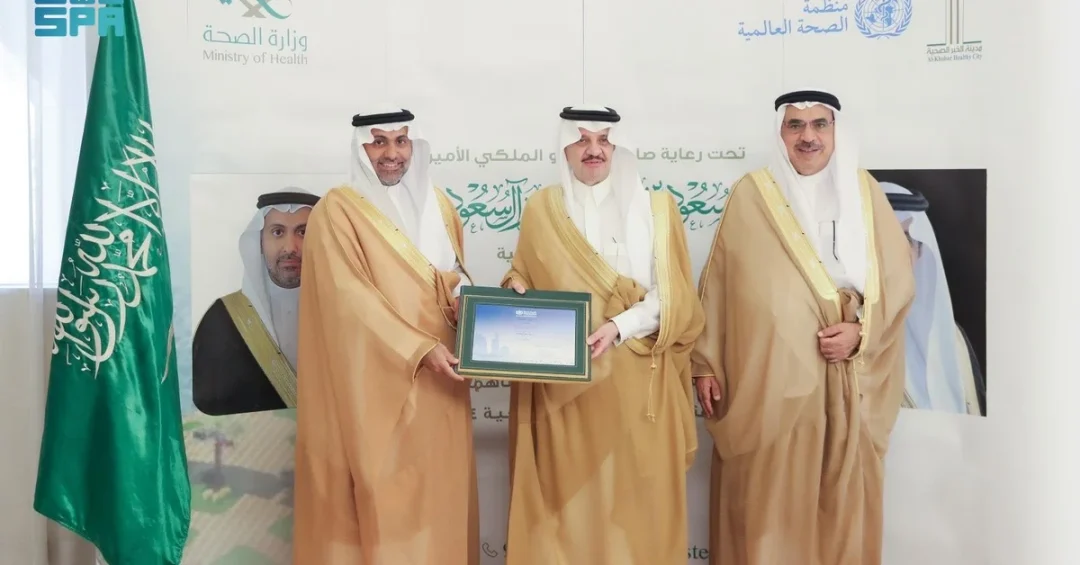
Al-Khobar City has been officially certified as a Healthy City by the World Health Organization (WHO) after meeting and exceeding 80 rigorous criteria, marking a significant milestone in the Kingdom of Saudi Arabia’s public health journey. The accreditation certificate was formally received by the Governor of the Eastern Region, Prince Saud bin Naif bin Abdulaziz, and the Minister of Health, Dr. Fahd bin Abdulrahman Al-Jalajel, according to the Saudi Press Agency (SPA). The recognition highlights the city’s exceptional urban design, including its expansive parks and dedicated walking paths, as well as its strong commitment to health promotion through schools and primary care centers.
Context and Background
The Healthy Cities Programme, spearheaded by the Ministry of Health, is the first collaborating center with the WHO for healthy cities at the regional level and the fourth globally. This pioneering initiative underscores Saudi Arabia’s proactive approach to integrating health into urban planning and development. The Kingdom now boasts the largest number of accredited healthy cities in the region, with 16 cities across various provinces. The programme focuses on enhancing quality of life by setting targets for future health indicators, implementing sustainability initiatives, and reducing lifestyle-related chronic diseases. Its overarching goal is to elevate Saudi Arabia’s standing in international health indicators, mitigate health risks and medical costs, and foster a vibrant, healthy society.
Key Details
Dr. Al-Jalajel emphasized that the WHO’s recognition of Al-Khobar as a healthy city reflects the continued support and interest of the Governor of the Eastern Region, the Deputy Governor, and the Director of Health Affairs. He expressed gratitude to a wide array of entities involved in the main committee and subcommittees, including the Eastern Province Emirate, the Ministry of Education, the Ministry of Human Resources and Social Development, the Ministry of Commerce, the General Directorate of Health Affairs in the Eastern Region, the General Directorate of Civil Defense, the General Directorate of Traffic, the Eastern Region Police, the General Directorate of Narcotics Control (GDNC), the Eastern Province Municipality, Asharqia Chamber, representatives of the Royal Commission for Jubail and Yanbu, representatives of the Technical and Vocational Training Corporation, the National Center for Environmental Compliance (NCEC), the Coordination Council for Charitable Societies, and community representatives. Their collaborative efforts were instrumental in achieving this accreditation.
Implications and Impact
The certification of Al-Khobar as a Healthy City carries profound implications for Saudi Arabia and the broader region. It demonstrates the Kingdom’s commitment to international health standards and its ability to execute complex, multi-sectoral public health initiatives. This achievement not only enhances the quality of life for residents but also positions Saudi Arabia as a leader in health promotion and urban wellness. The recognition is expected to attract further investment in health infrastructure and encourage other cities in the region to pursue similar accreditation. Moreover, it reinforces the Kingdom’s role as a proactive global health partner, aligning with WHO’s goals to combat non-communicable diseases and promote sustainable development.
Vision 2030 Alignment
This milestone is a direct reflection of Saudi Vision 2030’s objectives to improve the quality of life for citizens and residents, enhance public health, and build sustainable, vibrant communities. By prioritizing health in urban development, the Healthy Cities Programme contributes to reducing healthcare costs and fostering a healthier society. The recognition of Al-Khobar as a WHO Healthy City exemplifies the Kingdom’s dedication to creating environments that support physical activity, well-being, and community engagement. As Saudi Arabia continues to advance its Vision 2030 agenda, such achievements will play a crucial role in shaping a prosperous and healthy future for all.
20 Questions
Q1. What is the significance of Al-Khobar being certified as a Healthy City?
A1. It recognizes the city’s exceptional efforts in meeting WHO’s 80 criteria, including quality parks, walking paths, and health promotion through schools and primary care centers, showcasing Saudi Arabia’s commitment to public health.
Q2. Which Saudi officials received the accreditation certificate?
A2. The Governor of the Eastern Region, Prince Saud bin Naif bin Abdulaziz, and the Minister of Health, Dr. Fahd bin Abdulrahman Al-Jalajel, officially received the certificate, highlighting high-level support for the initiative.
Q3. What is the Healthy Cities Programme?
A3. It is a Ministry of Health initiative and the first WHO collaborating center for healthy cities regionally and fourth globally, aiming to enhance quality of life and reduce chronic diseases through sustainable urban development.
Q4. How many healthy cities does Saudi Arabia have?
A4. Saudi Arabia leads the region with 16 accredited healthy cities across various provinces, demonstrating the programme’s success and the Kingdom’s dedication to health-focused urban planning.
Q5. What role did Dr. Al-Jalajel highlight in the recognition?
A5. He emphasized the continuous support from the Governor of the Eastern Region, the Deputy Governor, and the Director of Health Affairs, as well as the collaborative efforts of numerous entities and community representatives.
Q6. Which entities contributed to Al-Khobar’s accreditation?
A6. Contributors included the Eastern Province Emirate, multiple ministries, the General Directorate of Health Affairs, Civil Defense, Traffic, Police, GDNC, Municipality, Asharqia Chamber, Royal Commission for Jubail and Yanbu, TVTC, NCEC, and charitable societies.
Q7. What are the key features of Al-Khobar that helped it meet the criteria?
A7. The city’s exceptional parks, walking paths, and robust health promotion through schools and primary care centers were pivotal in meeting and exceeding WHO’s evaluation criteria.
Q8. How does this recognition benefit Saudi Arabia internationally?
A8. It enhances Saudi Arabia’s standing in international health indicators, positions the Kingdom as a leader in health promotion, and attracts investment in health infrastructure, reinforcing its role as a proactive global health partner.
Q9. What is the goal of the Healthy Cities Programme?
A9. The programme aims to improve quality of life, prioritize health in development projects, set targets for health indicators, promote sustainability, and reduce lifestyle-related chronic diseases.
Q10. How does this achievement align with Vision 2030?
A10. It aligns with Vision 2030’s objectives to enhance quality of life, improve public health, and build sustainable communities, contributing to a vibrant society and reducing healthcare costs.
Q11. What is the WHO’s role in the Healthy Cities Programme?
A11. The WHO sets the 80 criteria for healthy cities and collaborates with Saudi Arabia’s Ministry of Health, recognizing the Kingdom as the first regional collaborating center and fourth globally.
Q12. How many criteria did Al-Khobar meet?
A12. Al-Khobar met and exceeded all 80 criteria established by the WHO, leading to its international accreditation as a Healthy City.
Q13. What are the expected outcomes of this recognition for Al-Khobar?
A13. It will improve residents’ quality of life, encourage healthy lifestyles, attract further health investments, and inspire other cities to pursue similar accreditation.
Q14. Who is the Minister of Health mentioned in the article?
A14. Dr. Fahd bin Abdulrahman Al-Jalajel is the Minister of Health, who received the certificate and praised the collaborative efforts behind Al-Khobar’s achievement.
Q15. What is the significance of the Eastern Province Emirate’s involvement?
A15. The Eastern Province Emirate provided crucial support and coordination, reflecting the integrated approach between government entities to achieve health and development goals.
Q16. How does the Healthy Cities Programme address chronic diseases?
A16. It implements initiatives to promote sustainability, reduce lifestyle-related chronic diseases, and set targets for future health indicators, ultimately improving public health.
Q17. What role do schools play in the Healthy Cities Programme?
A17. Schools are key venues for health promotion, educating students on healthy lifestyles and contributing to the overall health criteria required for accreditation.
Q18. What are the economic benefits of this recognition?
A18. It can mitigate health risks and medical costs, attract investment in health infrastructure, and enhance the city’s attractiveness, contributing to economic growth and sustainability.
Q19. How does this recognition reflect on Saudi leadership?
A19. It demonstrates the leadership’s commitment to health and well-being, as evidenced by the continuous support from Prince Saud bin Naif and Dr. Al-Jalajel, aligning with Vision 2030.
Q20. What message does this send to other cities in the region?
A20. It sets a benchmark for health-focused urban development, encouraging other cities to adopt similar initiatives and highlighting Saudi Arabia’s leadership in public health.
Reader Feedback
We value your thoughts. Please share your feedback on this article.
Your feedback helps us improve our coverage.