


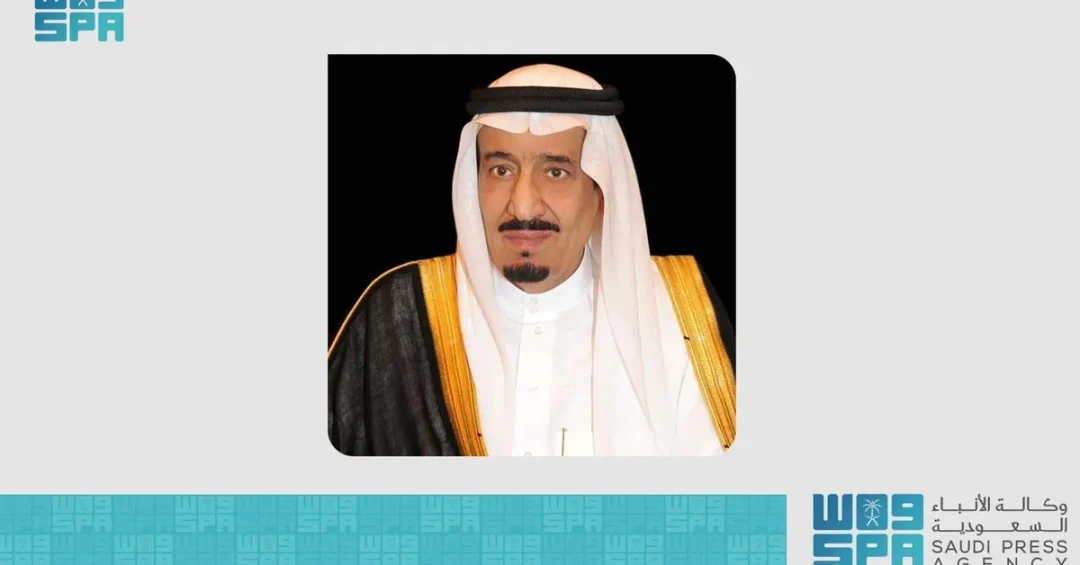
Jeddah, May 19, 2024 – The Royal Court announced today that the Custodian of the Two Holy Mosques, King Salman bin Abdulaziz Al Saud, will undergo medical examinations at the Royal Clinics of Al-Salam Palace in Jeddah due to a high fever and joint pain. The official statement, released via the Saudi Press Agency (SPA), confirmed that the medical team will conduct diagnostic tests to assess the King’s condition and monitor his health. The announcement underscores the Kingdom’s commitment to transparency regarding the health of its leadership.
Context and Background
King Salman, who has ruled Saudi Arabia since 2015, has been a central figure in the nation’s transformative Vision 2030 agenda, which aims to diversify the economy and modernize society. His leadership has overseen significant social and economic reforms, including the empowerment of women and the opening of the Kingdom to international tourism. The news of his medical examinations comes at a time when the Kingdom is increasingly active on the global stage, hosting major events and forging international partnerships.
Key Details
According to the Royal Court statement, the examinations will take place today, May 19, at the Royal Clinics of Al-Salam Palace in Jeddah. The specific symptoms mentioned are a high fever and joint pain, which are common reasons for diagnostic evaluation. The medical team’s priority is to ensure the King’s swift recovery and continued ability to lead the nation. The SPA release did not specify the exact nature of the tests but emphasized that the health and well-being of the Custodian of the Two Holy Mosques are of utmost importance to the Kingdom.
Implications and International Impact
News of the King’s health is closely monitored internationally, given Saudi Arabia’s pivotal role in regional stability, global energy markets, and Islamic affairs. As the guardian of Islam’s holiest sites, the King’s well-being holds profound significance for Muslims worldwide. The transparent communication from the Royal Court is seen as a measure to prevent speculation and reassure both domestic and international observers. Historically, Saudi Arabia has maintained a robust succession system, with Crown Prince Mohammed bin Salman prepared to assume leadership, ensuring continuity of the Kingdom’s policies and Vision 2030 commitments.
Vision 2030 Alignment
The Custodian of the Two Holy Mosques has been the driving force behind Vision 2030, a blueprint for a post-oil economy, emphasizing health care, education, and quality of life. Under his reign, Saudi Arabia has invested heavily in modernizing its healthcare sector, including state-of-the-art royal clinics. The current medical attention underscores the Kingdom’s dedication to healthcare excellence and its commitment to the welfare of its leadership, which in turn supports the realization of Vision 2030’s goals. As Saudi Arabia continues its journey toward a vibrant society and thriving economy, the well-wishes of its people and the international community remain with the King for a speedy recovery.
20 Questions
Q1. Who is the Custodian of the Two Holy Mosques?
A1. The Custodian of the Two Holy Mosques is King Salman bin Abdulaziz Al Saud, the monarch of Saudi Arabia. He has been in power since 2015 and is the head of state, also holding the title of Prime Minister.
Q2. What medical condition prompted the examinations?
A2. The Royal Court stated that King Salman is experiencing a high fever and joint pain, which prompted the need for medical examinations to diagnose the underlying cause and ensure appropriate treatment.
Q3. Where will the medical examinations take place?
A3. The examinations will be conducted at the Royal Clinics of Al-Salam Palace in Jeddah, a facility equipped to provide comprehensive medical care for the royal family.
Q4. When were the examinations announced?
A4. The Royal Court announced the examinations on May 19, 2024, via an official statement released by the Saudi Press Agency.
Q5. Why are the examinations significant?
A5. The health of the Custodian of the Two Holy Mosques is of great importance to Saudi Arabia and the Islamic world, as he is a central figure in the Kingdom’s leadership and a symbol of stability and unity.
Q6. How does the Royal Court communicate health updates?
A6. The Royal Court communicates health updates officially through the Saudi Press Agency, ensuring accurate and transparent information is shared with the public and international media.
Q7. What is the role of the medical team?
A7. The medical team at Al-Salam Palace will conduct diagnostic tests to identify the cause of the symptoms, monitor the King’s health, and provide any necessary treatment for a swift recovery.
Q8. Has King Salman faced health issues previously?
A8. King Salman has had health-related concerns in the past, and the Royal Court has always provided timely updates, reflecting the Kingdom’s commitment to openness regarding the leader’s health.
Q9. What is the significance of Jeddah in this context?
A9. Jeddah is a major city and the diplomatic hub of Saudi Arabia, housing several royal palaces, including Al-Salam Palace, which is equipped with medical facilities for the royal family.
Q10. How might this affect Saudi Arabia’s leadership?
A10. Saudi Arabia has a clear succession plan in place, with Crown Prince Mohammed bin Salman, ensuring continuity in leadership and governance. The King’s health is closely managed to maintain stability.
Q11. What is the public’s reaction?
A11. The public, both in Saudi Arabia and internationally, has expressed well-wishes for the King’s speedy recovery, reflecting the respect and admiration for his leadership and dedication to the nation.
Q12. How does this news impact global markets?
A12. While any news about Saudi leadership can cause temporary market jitters, the Kingdom’s robust succession system and clear policies typically reassure investors, and major impacts are usually limited.
Q13. What is the role of the Crown Prince?
A13. Crown Prince Mohammed bin Salman is the designated successor and has been actively involved in governance, implementing Vision 2030 reforms, and representing the Kingdom internationally, ensuring continuity.
Q14. How does the Kingdom ensure the leader’s health care?
A14. Saudi Arabia invests in advanced healthcare facilities and employs top medical professionals to provide the highest standard of care for its leaders, reflecting the priority placed on their well-being.
Q15. What is Vision 2030?
A15. Vision 2030 is Saudi Arabia’s strategic framework to diversify its economy, reduce dependence on oil, and improve public services, including healthcare, education, and infrastructure, launched in 2016.
Q16. How does this event align with Vision 2030?
A16. The emphasis on advanced medical care and transparency aligns with Vision 2030’s goals of enhancing the quality of life and healthcare services for all Saudis, including the leadership.
Q17. Are there any official statements from other leaders?
A17. Following such announcements, it is common for leaders from around the world to send messages of support, but specific statements would be reported by official news agencies as they occur.
Q18. What are the potential outcomes of the examinations?
A18. The examinations will likely diagnose the cause of the symptoms, which could range from common infections to more chronic conditions. The medical team will determine the best course of treatment.
Q19. How does this news reflect on Saudi Arabia’s transparency?
A19. The prompt announcement via the Royal Court demonstrates Saudi Arabia’s commitment to transparency, which builds trust and confidence both domestically and internationally.
Q20. What are the next steps?
A20. The medical team will analyze test results, provide a diagnosis, and initiate treatment. The Royal Court will likely release further updates as necessary, ensuring the public remains informed.
Reader Feedback
We value your thoughts. Please share your feedback on this article.
Your feedback helps us improve our coverage.