


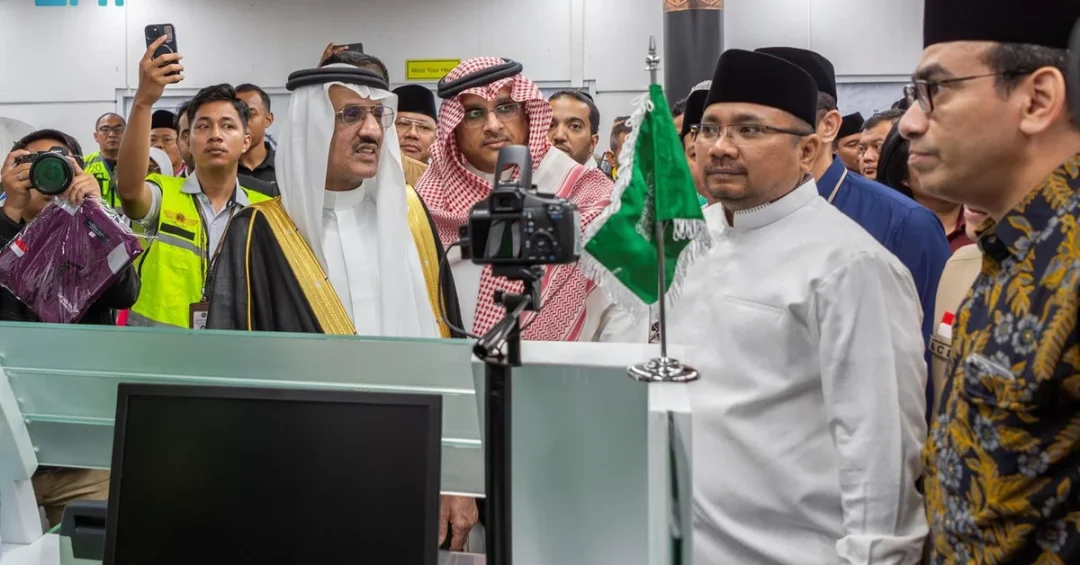
The Saudi Ambassador to Indonesia, Faisal bin Abdullah Al-Amoudi, has highlighted that the Makkah Route Initiative is part of the Kingdom’s extensive efforts to serve pilgrims worldwide, including those from Indonesia. In a statement to the Saudi Press Agency (SPA) on May 18, 2024, the Ambassador noted that the initiative, which facilitates entry procedures for pilgrims before they depart their home country, has received positive feedback at both official and popular levels in Indonesia. This year, the initiative has been expanded to include the cities of Surabaya and Solo, alongside the capital Jakarta, benefiting a large number of Indonesian pilgrims.
Context and Background
The Makkah Route Initiative is a flagship program under the Kingdom of Saudi Arabia’s Vision 2030, aimed at enhancing the experience of pilgrims through streamlined procedures. The initiative allows pilgrims to complete immigration formalities, including visa issuance and passport control, at their point of departure, thereby reducing waiting times and improving comfort. This year’s expansion to additional Indonesian cities reflects the growing cooperation between Saudi Arabia and Indonesia in serving the large number of Indonesian Muslims who perform Hajj and Umrah annually.
Key Details
The Ambassador’s remarks underscored the Kingdom’s commitment to providing the best services to pilgrims, building on the legacy of service established since the era of the late King Abdulaziz to the current leadership of the Custodian of the Two Holy Mosques, King Salman, and His Royal Highness the Crown Prince. The initiative is part of broader efforts to harness human and material resources to ensure a smooth and dignified pilgrimage experience. The Ambassador expressed appreciation to the Indonesian government, particularly the Ministry of Religious Affairs, for their cooperation and coordination, which have contributed to the initiative’s success.
Implications and Impact
The expansion of the Makkah Route Initiative in Indonesia has significant implications for the bilateral relations between Saudi Arabia and Indonesia, the world’s largest Muslim-majority country. By facilitating the entry procedures for pilgrims, the Kingdom not only enhances the spiritual journey of millions but also strengthens ties with the Indonesian government and people. The positive feedback from Indonesian officials and the public highlights the initiative’s effectiveness and its role in projecting Saudi Arabia’s leadership in the Islamic world. This development is expected to further boost the Kingdom’s reputation as a host for pilgrims and a hub for Islamic tourism.
Vision 2030 Alignment
The Makkah Route Initiative is a cornerstone of Saudi Arabia’s Vision 2030, which aims to enhance the capacity to serve millions of pilgrims and improve their experience. By leveraging technology and international cooperation, the initiative aligns with the Kingdom’s goals of economic diversification, global engagement, and the development of the tourism sector. As Saudi Arabia continues to modernize and welcome the world, initiatives like this demonstrate the Kingdom’s unwavering commitment to serving Islam’s holiest sites and supporting Muslims worldwide. The success of the initiative in Indonesia is a testament to the Kingdom’s vision and its role as a beacon of hospitality and service.
20 Questions
Q1. What is the Makkah Route Initiative?
A1. The Makkah Route Initiative is a program by the Saudi government that allows pilgrims to complete visa and immigration procedures at their departure point, simplifying their travel to the Kingdom.
Q2. Which Saudi official made the statement about the initiative?
A2. The statement was made by the Saudi Ambassador to Indonesia, Faisal bin Abdullah Al-Amoudi, in a Saudi Press Agency interview.
Q3. When was the statement released?
A3. The statement was released on May 18, 2024, during the issuing of the article.
Q4. Which Indonesian cities are part of the initiative this year?
A4. The initiative has been expanded to include Surabaya and Solo in addition to Jakarta, the capital.
Q5. What feedback has the initiative received in Indonesia?
A5. The initiative has received positive feedback at both official and popular levels, as observed by the ambassador during the pilgrims’ departure.
Q6. How does the initiative benefit Indonesian pilgrims?
A6. It benefits Indonesian pilgrims by allowing them to complete entry procedures in their country, reducing waiting times and enhancing their travel experience.
Q7. What is the strategic importance of the initiative for Saudi Arabia?
A7. The initiative reflects Saudi Arabia’s commitment to serving pilgrims and its leadership in the Islamic world, aligning with its strategic goals under Vision 2030.
Q8. Which Saudi entities are involved in the initiative?
A8. The initiative is led by the Saudi Ministry of Hajj and Umrah, in coordination with other government agencies, including the Ministry of Foreign Affairs and relevant authorities.
Q9. How does the initiative contribute to Vision 2030?
A9. It contributes by improving the capacity to host pilgrims, enhancing service quality, and fostering international cooperation, which are key pillars of Vision 2030.
Q10. What efforts have been made by the Kingdom since the era of King Abdulaziz?
A10. Since the era of King Abdulaziz, successive governments have harnessed resources to serve pilgrims, continuing to this day under King Salman and the Crown Prince.
Q11. Why is the initiative important for Indonesian-Saudi relations?
A11. It strengthens bilateral ties by facilitating religious travel and demonstrating mutual cooperation between the two nations.
Q12. How does the initiative affect the overall pilgrim experience?
A12. It simplifies procedures, allowing pilgrims to focus on their spiritual journey, thereby improving their overall experience.
Q13. What role does technology play in the initiative?
A13. Technology helps streamline procedures, such as biometric data collection and visa processing, making the process faster and more efficient.
Q14. Are there plans to expand the initiative to other countries?
A14. While the current focus is on Indonesia, the initiative is part of a broader effort to serve pilgrims from various countries, with potential expansions in the future.
Q15. What official Indonesian bodies cooperate with Saudi Arabia?
A15. The Indonesian Ministry of Religious Affairs and other governmental bodies have cooperated closely, ensuring the initiative’s successful implementation.
Q16. How does the initiative reflect on Saudi Arabia’s leadership in the Islamic world?
A16. It underscores Saudi Arabia’s role as a leader in Islamic affairs, providing essential services to millions of pilgrims from all over the world.
Q17. What are the main objectives of the Makkah Route Initiative?
A17. The objectives are to reduce processing times, improve comfort, and enhance the overall experience of pilgrims, all while ensuring security and safety.
Q18. How has the initiative been received by Indonesian authorities?
A18. Indonesian authorities have expressed appreciation and provided fruitful cooperation, which has been crucial to the initiative’s success.
Q19. What message does the initiative send to the international community?
A19. It sends a message of Saudi Arabia’s commitment to hospitality, service, and modernization, showcasing its capability to host global events and visitors.
Q20. What future developments are expected from this initiative?
A20. Future developments may include further technological integration, expansion to more cities and countries, and continuous improvements based on feedback to better serve pilgrims.
Reader Feedback
We value your thoughts. Please share your feedback on this article.
Your feedback helps us improve our coverage.