


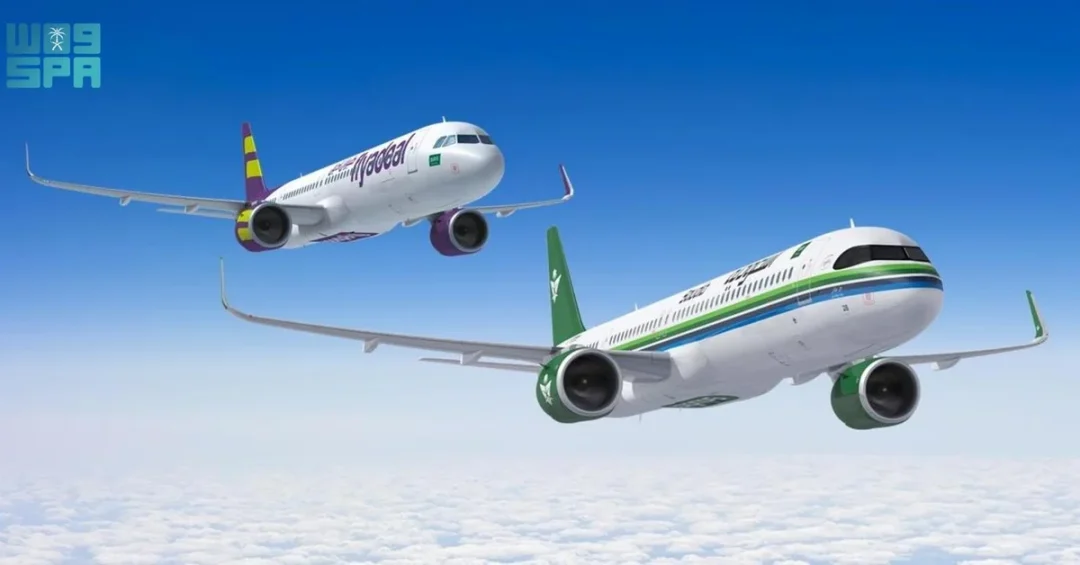
Saudia Group, the national carrier of Saudi Arabia, has signed a landmark agreement with Airbus to acquire 105 aircraft, models A321neo and A320neo, as part of its ambitious fleet expansion strategy. This deal, signed in May 2024 and followed by a visit to Airbus facilities in Hamburg, Germany, on July 18, 2024, aligns with the goals of Saudi Vision 2030 and the National Transport and Logistics Strategy, which aim to transport 330 million passengers, facilitate 150 million visits, and host 30 million Umrah pilgrims. Additionally, the group plans to purchase 100 electric vertical take-off and landing (eVTOL) jets from the German company Lilium, marking a significant step towards sustainable aviation and innovation.
Context and Background
The expansion of Saudia Group’s fleet is a direct response to the Kingdom’s growing aviation demands, driven by Vision 2030’s objectives to diversify the economy and enhance connectivity. The National Transport and Logistics Strategy, a key component of Vision 2030, seeks to position Saudi Arabia as a global logistics hub, with ambitious targets for passenger traffic and religious tourism. The partnership with Airbus, a leading European aerospace manufacturer, underscores Saudi Arabia’s commitment to modernizing its aviation sector and fostering international cooperation. The deal also reflects the Kingdom’s efforts to localize expertise and create economic opportunities through increased local content and manufacturing capabilities.
Key Details
The agreement with Airbus includes the purchase of 105 aircraft, specifically the A321neo and A320neo models, which are known for their fuel efficiency and advanced technology. Once delivered, these aircraft will make the Saudi fleet one of the most modern in the world. The deal is expected to have a direct impact on the national economy, with an estimated value of SAR2.5 billion, by boosting local content, manufacturing capabilities, and entrepreneurship opportunities. Furthermore, the integration of these aircraft will enable Saudia Aerospace Engineering Industries, the group’s engineering arm, to become a maintenance hub for the Kingdom, the Middle East, and North Africa. The group’s training arm, Saudia Academy, will also play a crucial role in training aircraft operations and flight management competencies.
In addition to the Airbus deal, Saudia Group is venturing into electric aviation with the purchase of 100 eVTOL jets from Lilium. This follows a memorandum of understanding signed in October 2022 during the Future Investment Initiative Conference in Riyadh. These electric aircraft can take off and land vertically, are fully powered by electricity, and can cover a distance of up to 175 kilometres, reaching speeds of up to 250 kilometres per hour while accommodating six passengers. They will help connect multiple destinations, provide air routes among main airports, and serve Hajj and Umrah flights, events, and tourist destinations, offering significant time savings and supporting the business sector.
Implications and Impact
The expansion of Saudia Group’s fleet has far-reaching implications for both Saudi Arabia and its international partners. The deal with Airbus opens new economic cooperation horizons between the Kingdom and European countries, particularly Germany, enhancing investments and creating direct and indirect job opportunities. It also strengthens Saudi Arabia’s position as a global aviation player and supports the growth of tourism, entertainment, and sports events. The introduction of eVTOL aircraft positions Saudia Group at the forefront of sustainable aviation innovation, potentially revolutionizing short-distance air travel and reducing carbon emissions. This move aligns with global trends towards green technology and underscores Saudi Arabia’s commitment to environmental sustainability.
Vision 2030 Alignment
This fleet expansion is a cornerstone of Saudi Arabia’s Vision 2030, which aims to transform the Kingdom into a global hub for trade, tourism, and investment. By enhancing air connectivity and modernizing its aviation infrastructure, Saudia Group is directly contributing to the goals of the National Transport and Logistics Strategy, including increasing passenger numbers and facilitating religious tourism. The focus on local content and expertise development supports economic diversification and job creation for Saudi citizens. Through partnerships with leading international companies like Airbus and Lilium, Saudia Group is not only expanding its fleet but also positioning the Kingdom as a leader in aviation innovation and sustainability, driving forward the ambitious vision of a prosperous and connected Saudi Arabia.
20 Questions
Q1. What is the main objective of Saudia Group’s fleet expansion?
A1. The main objective is to expand its network of destinations and increase transit travel among continents and the Kingdom, aligning with Saudi Vision 2030 and the National Transport and Logistics Strategy to transport 330 million passengers and host 30 million Umrah pilgrims.
Q2. How many aircraft did Saudia Group agree to purchase from Airbus?
A2. Saudia Group agreed to purchase 105 aircraft from Airbus, specifically the A321neo and A320neo models, as part of a deal signed in May 2024.
Q3. What is the estimated economic impact of the Airbus deal on Saudi Arabia?
A3. The deal is expected to have a direct impact of approximately SAR2.5 billion on the national economy by increasing local content, manufacturing capabilities, and providing entrepreneurship opportunities.
Q4. What role will Saudia Aerospace Engineering Industries play in this expansion?
A4. Saudia Aerospace Engineering Industries, the group’s engineering arm, will become a maintenance hub for the Kingdom, the Middle East, and North Africa, supporting the fleet’s integration and operations.
Q5. How does the deal with Airbus benefit Saudi Arabia’s relations with European countries?
A5. The deal opens new economic cooperation horizons, enhancing investments and providing direct and indirect job opportunities in European countries, particularly Germany, allied with Airbus.
Q6. What are eVTOL aircraft and how many is Saudia Group purchasing?
A6. eVTOL aircraft are electric vertical take-off and landing jets, and Saudia Group is purchasing 100 of them from the German company Lilium, marking a new direction in sustainable aviation.
Q7. What is the range and speed of the eVTOL aircraft from Lilium?
A7. The eVTOL aircraft can cover a distance of up to 175 kilometres and reach speeds of up to 250 kilometres per hour, accommodating six passengers.
Q8. When was the memorandum of understanding with Lilium signed?
A8. The memorandum of understanding was signed in October 2022 in Riyadh during the Future Investment Initiative Conference between Saudia Group and Lilium.
Q9. How will the eVTOL aircraft be utilized by Saudia Group?
A9. They will connect multiple destinations, provide air routes among main airports, serve Hajj and Umrah flights, reach various events and tourist destinations, and support the business sector.
Q10. What is the National Transport and Logistics Strategy?
A10. It is a key component of Saudi Vision 2030 aiming to position Saudi Arabia as a global logistics hub, with targets including transporting 330 million passengers and facilitating 150 million visits.
Q11. How does this expansion support Saudi Arabia’s tourism goals?
A11. By increasing fleet capacity and connectivity, it enhances the Kingdom’s ability to host more tourists, including Umrah pilgrims, and supports entertainment events, sports competitions, and conferences.
Q12. What training opportunities will be provided by Saudia Academy?
A12. Saudia Academy will train aircraft operations and flight management competencies, localizing expertise and preparing specialized personnel for the expanding fleet.
Q13. What is the significance of the visit to Airbus in Hamburg?
A13. The visit reflects Saudia Group’s ambition to diversify its fleet and engage with Airbus to ensure the delivery and integration of the new aircraft, aligning with national goals.
Q14. How will the new aircraft impact Saudi Arabia’s position in global aviation?
A14. The modern fleet will enhance Saudi Arabia’s global standing, making it a key player in aviation and a preferred transit hub between continents.
Q15. What are the environmental benefits of the eVTOL aircraft?
A15. The eVTOL aircraft are fully powered by electricity, reducing carbon emissions and promoting sustainable aviation, in line with global environmental goals.
Q16. How does the deal with Airbus contribute to job creation in Saudi Arabia?
A16. It provides opportunities for entrepreneurship, local content development, and training, leading to direct and indirect job creation in the aviation sector and related industries.
Q17. What is the expected timeline for the delivery of the Airbus aircraft?
A17. The delivery timeline is not specified in the source, but once all aircraft are delivered, the Saudi fleet will be among the most modern globally.
Q18. How will the eVTOL aircraft support Hajj and Umrah operations?
A18. They will provide efficient air routes to serve pilgrims, reducing travel time and enhancing the overall experience for Hajj and Umrah flights.
Q19. What other sectors will benefit from this fleet expansion?
A19. The expansion supports tourism, entertainment, sports, and business sectors by improving connectivity and enabling the Kingdom to host more events and conferences.
Q20. How does this expansion align with Saudi Vision 2030?
A20. It directly supports Vision 2030’s goals of economic diversification, enhanced connectivity, and positioning Saudi Arabia as a global hub for trade, tourism, and investment.
Reader Feedback
We value your thoughts. Please share your feedback on this article.
Your feedback helps us improve our coverage.