


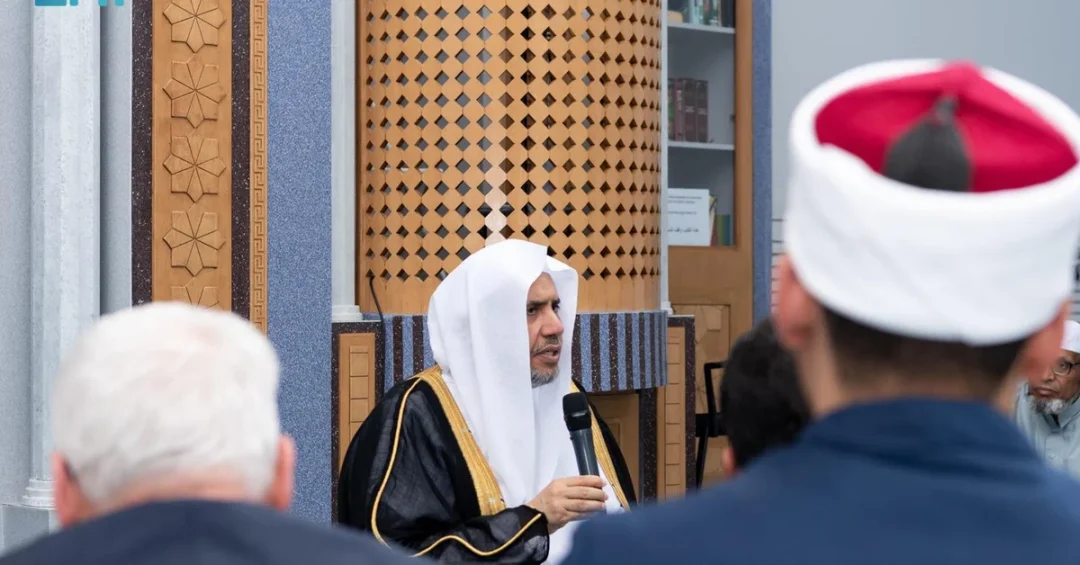
Greek Prime Minister Kyriakos Mitsotakis received the Secretary-General of the Muslim World League (MWL), Sheikh Dr. Mohammed Al-Issa, at the Prime Ministry headquarters in Athens on May 18, 2024, to discuss topics of mutual interest. The meeting, reported by the Saudi Press Agency (SPA), underscored the strengthening ties between Saudi Arabia and Greece and highlighted the MWL’s role in promoting interfaith dialogue and coexistence.
Context and Background
The visit comes amid a broader Saudi effort to enhance international cooperation and foster intercultural understanding, aligning with the Kingdom’s Vision 2030 goals of building bridges with nations and communities worldwide. The MWL, a Mecca-based organization, has been at the forefront of interfaith initiatives, advocating for moderation and peace. Al-Issa’s trip to Greece reflects this mission, as he engaged with religious and community leaders to promote shared values.
Key Details
During the meeting, Sheikh Al-Issa emphasized the Islamic principles of peace, coexistence, and tolerance, expressing gratitude for the Prime Minister’s hospitality and his recognition of Islam’s contributions to human civilization. The discussion covered areas of mutual interest, including the promotion of interreligious harmony and the importance of countering extremism. Al-Issa also met with muftis, preachers, and Islamic figures in Greece, who acknowledged the MWL’s international role in fulfilling the aspirations of the Muslim community. Additionally, he visited the Athens Mosque, a symbol of Islamic presence in Greece, and met with Archbishop Ieronymos II of Athens and All Greece. Both leaders stressed the crucial role of religious leaders in resolving religious and ethnic conflicts worldwide.
Implications and Impact
The visit signals a deepening diplomatic and cultural engagement between Saudi Arabia and Greece, with potential implications for trade, tourism, and bilateral cooperation. By fostering dialogue between Christian and Muslim leaders, the MWL’s efforts contribute to regional stability and the global fight against extremism. This engagement also reinforces Saudi Arabia’s position as a leader in interfaith initiatives, which can enhance its soft power and international standing. For Greece, the visit highlights its role as a bridge between East and West, potentially boosting its appeal as a destination for Middle Eastern tourists and investors.
Vision 2030 Alignment
This visit aligns with Saudi Arabia’s Vision 2030, which emphasizes the Kingdom’s commitment to promoting a moderate, tolerant Islam and building partnerships that contribute to global peace. The MWL’s activities, supported by the Saudi government, help project the Kingdom’s values on the world stage. By engaging with religious leaders in Greece, the MWL advances the Vision 2030 goal of fostering international cooperation and cultural exchange, ultimately strengthening Saudi Arabia’s global role as a force for harmony and development.
20 Questions
Q1. Who received Sheikh Dr. Mohammed Al-Issa in Athens?
A1. Greek Prime Minister Kyriakos Mitsotakis received Sheikh Dr. Mohammed Al-Issa at the Prime Ministry headquarters in Athens on May 18, 2024.
Q2. What is the role of Sheikh Dr. Mohammed Al-Issa?
A2. He is the Secretary-General of the Muslim World League (MWL) and Chairman of the Association of Muslim Scholars, leading interfaith and community initiatives globally.
Q3. What topics were discussed during the meeting?
A3. They discussed topics of mutual interest, including interfaith dialogue, coexistence, and the role of religious leaders in promoting peace, as well as areas of bilateral cooperation.
Q4. What Islamic values did Sheikh Al-Issa highlight?
A4. He highlighted the Islamic values of peace, coexistence, and tolerance, emphasizing their importance in fostering harmony among diverse communities.
Q5. Why did Sheikh Al-Issa thank the Greek Prime Minister?
A5. He thanked him for his hospitality and for his positive views on Islam’s contributions to human civilization, which reflect a spirit of mutual respect.
Q6. Who else did Sheikh Al-Issa meet during his visit?
A6. He met with muftis, preachers, and Islamic figures in Greece, as well as Archbishop Ieronymos II of Athens and All Greece.
Q7. What did the muftis and preachers acknowledge about the MWL?
A7. They acknowledged the MWL’s international role in realizing the aspirations of the Muslim nation and supporting Muslim communities worldwide.
Q8. What did the visit to the Athens Mosque signify?
A8. It signified the importance of the mosque as a symbol of Islamic presence and a center for community cohesion in Greece.
Q9. What did Sheikh Al-Issa and Archbishop Ieronymos emphasize?
A9. They emphasized the pivotal role of religious leaders in addressing religious and ethnic conflicts around the world.
Q10. How does this visit relate to Saudi Arabia’s Vision 2030?
A10. It aligns with Vision 2030’s goals of promoting moderate Islam, interfaith dialogue, and international cooperation, enhancing Saudi Arabia’s global role.
Q11. What is the Muslim World League?
A11. The MWL is an international Islamic organization based in Mecca, dedicated to promoting peace, tolerance, and interreligious dialogue, and countering extremism.
Q12. How does the MWL foster interfaith dialogue?
A12. By engaging with religious leaders of different faiths, organizing conferences, and initiating programs that build mutual understanding and respect.
Q13. What was the outcome of the meeting between Greek PM and Sheikh Al-Issa?
A13. The meeting reinforced ties between Saudi Arabia and Greece and set the stage for future cooperation in cultural, religious, and economic fields.
Q14. What is the significance of the meeting for Greece?
A14. It highlights Greece’s role as a meeting point of cultures and religions, potentially boosting its standing as a destination for dialogue and tourism.
Q15. How does the Athens Mosque visit impact Muslim communities in Greece?
A15. It strengthens the sense of belonging and support for Muslims in Greece, showing solidarity from the global Islamic community.
Q16. What is the role of religious leaders in conflict resolution?
A16. They can mediate, promote reconciliation, and use their moral authority to reduce tensions, as emphasized by both leaders.
Q17. How does this visit enhance Saudi-Greek relations?
A17. By fostering mutual understanding and trust, it paves the way for expanded trade, investment, and cultural exchanges.
Q18. What are the implications for tourism between the two countries?
A18. Improved relations could lead to increased tourist flows, with Greeks interested in Saudi heritage and Saudis attracted to Greek islands and historical sites.
Q19. How does the MWL promote peace in the region?
A19. Through dialogue, education, and countering extremist narratives, the MWL contributes to regional stability and peaceful coexistence.
Q20. What are the next steps for the MWL in Greece?
A20. Building on this visit, the MWL may establish further partnerships with Greek institutions to continue interfaith and community projects.
Reader Feedback
We value your thoughts. Please share your feedback on this article.
Your feedback helps us improve our coverage.