


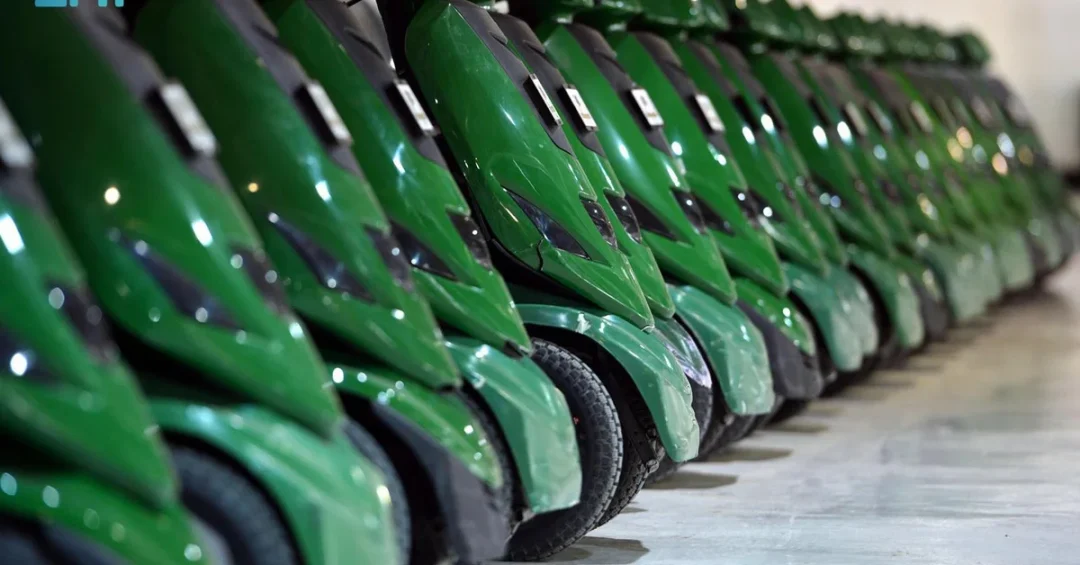
The General Authority for the Care of the Affairs of the Grand Mosque and the Prophet’s Mosque organized a workshop in Makkah on July 18, 2024, titled “Improving the Experience of Tawaf and Sa’i in the Grand Mosque,” aimed at empowering national companies to enhance the pilgrim experience. The workshop focused on designing and implementing a transportation system for the Grand Mosque, particularly for the rituals of Tawaf (circumambulation) and Sa’i (walking between Safa and Marwah), based on best practices to serve over 7 million beneficiaries annually.
Context and Background
The General Authority for the Care of the Affairs of the Grand Mosque and the Prophet’s Mosque is responsible for managing the affairs of Islam’s two holiest mosques, ensuring that millions of pilgrims and visitors can perform their rituals comfortably and safely. As part of Saudi Arabia’s Vision 2030, the Kingdom has prioritized enhancing the Hajj and Umrah experience through infrastructure upgrades and smart technology. The workshop reflects this commitment by bringing together national companies to develop innovative mobility solutions within the Grand Mosque.
Mobility Services Management, a department within the authority, oversees transportation services in the Al-Mas’a and Al-Mataf areas, as well as the roof of the Grand Mosque. These services include a fleet of 5,000 regular and electric golf carts, which are linked through the “Tanaqul” application and operated according to systematic plans. This initiative is designed to facilitate the movement of the elderly and persons with disabilities, ensuring they can perform their religious duties with ease.
Key Details
During the workshop, participants discussed strategies to improve the transportation experience for Tawaf and Sa’i, focusing on efficiency, accessibility, and sustainability. The authority highlighted its ongoing efforts to monitor and operate golf carts, maintain the fleet, and implement new services. One such service involves providing 50 golf carts on the roof of Al-Mataf to facilitate the movement of the elderly and persons with disabilities from the two holy mosques.
The “Tanaqul” application plays a crucial role in managing the fleet, allowing for real-time tracking and scheduling. This digital integration aligns with Saudi Arabia’s broader push for smart solutions in public services. By empowering national companies, the authority aims to foster local expertise and create economic opportunities while enhancing the spiritual experience of pilgrims.
Implications and Impact
The workshop underscores Saudi Arabia’s dedication to continuous improvement in the services provided at the Grand Mosque. With over 7 million beneficiaries annually, the transportation system’s efficiency directly impacts the overall pilgrim experience. The introduction of additional golf carts and the expansion of services to the roof of Al-Mataf demonstrate a proactive approach to accommodating the growing number of pilgrims.
This initiative also has broader implications for the Kingdom’s tourism and hospitality sectors, as a seamless pilgrimage experience encourages more visitors to undertake Umrah and Hajj. Furthermore, the involvement of national companies stimulates local business growth and innovation, contributing to the diversification of the Saudi economy away from oil dependence.
Vision 2030 Alignment
This development is a clear manifestation of Saudi Arabia’s Vision 2030, which seeks to enhance the quality of life for citizens and visitors alike. By improving transportation services at the Grand Mosque, the Kingdom is not only fulfilling its religious responsibilities but also showcasing its capacity for innovation and project management on a global stage. The authority’s efforts align with Vision 2030’s goals of increasing Umrah capacity, improving public services, and leveraging technology to create a world-class experience for pilgrims.
As Saudi Arabia continues to welcome millions of pilgrims each year, such initiatives will be instrumental in maintaining the Kingdom’s status as the premier destination for Islamic pilgrimage. The workshop serves as a testament to the leadership’s unwavering commitment to serving the guests of God and advancing the nation’s proud heritage.
20 Questions
Q1. What was the title of the workshop organized by the General Authority for the Care of the Affairs of the Grand Mosque and the Prophet’s Mosque?
A1. The workshop was titled “Improving the Experience of Tawaf and Sa’i in the Grand Mosque.” It aimed to empower national companies to enhance the pilgrims’ experience.
Q2. When did the workshop take place?
A2. The workshop took place on July 18, 2024, in Makkah. It was organized by the General Authority for the Care of the Affairs of the Grand Mosque and the Prophet’s Mosque.
Q3. How many beneficiaries does the transportation system aim to serve annually?
A3. The transportation system aims to serve over 7 million beneficiaries annually. This includes pilgrims performing Tawaf and Sa’i at the Grand Mosque.
Q4. What is the name of the department responsible for mobility services within the Grand Mosque?
A4. The department is called Mobility Services Management. It oversees transportation services in the Al-Mas’a and Al-Mataf areas, as well as the roof.
Q5. How many golf carts are currently in operation?
A5. There are 5,000 regular and electric golf carts in operation. They are linked through the “Tanaqul” application and operated according to systematic plans.
Q6. What is the purpose of the “Tanaqul” application?
A6. The “Tanaqul” application links the golf carts and manages their operation. It allows for real-time tracking and scheduling to enhance the transportation experience.
Q7. What new service is being implemented for the elderly and persons with disabilities?
A7. A new service involves providing 50 golf carts on the roof of Al-Mataf. This aims to facilitate the movement of the elderly and persons with disabilities from the two holy mosques.
Q8. Which areas within the Grand Mosque are covered by the mobility services?
A8. The mobility services cover Al-Mas’a and Al-Mataf areas, as well as the roof of the Grand Mosque. Golf carts are used to transport the elderly and persons with disabilities.
Q9. What rituals are specifically targeted for improvement by this workshop?
A9. The workshop targets the rituals of Tawaf (circumambulation) and Sa’i (walking between Safa and Marwah). The goal is to enhance the experience for all pilgrims.
Q10. How does this initiative align with Saudi Vision 2030?
A10. It aligns with Vision 2030 by improving public services, leveraging technology, and enhancing the quality of life for pilgrims. It also supports the goal of increasing Umrah capacity.
Q11. What role do national companies play in this initiative?
A11. National companies are empowered to design and implement transportation systems. This fosters local expertise and creates economic opportunities, contributing to economic diversification.
Q12. What are the key features of the golf carts used in the Grand Mosque?
A12. The golf carts include both regular and electric models. They are equipped with tracking technology and are maintained by Mobility Services Management.
Q13. How does the authority ensure the maintenance of the golf carts?
A13. Mobility Services Management oversees the maintenance of the carts. They monitor and operate the fleet to ensure it remains in optimal condition.
Q14. What is the significance of the roof of Al-Mataf in this context?
A14. The roof of Al-Mataf is being equipped with 50 golf carts to serve the elderly and persons with disabilities. This expands accessibility to this area.
Q15. How many pilgrims perform Tawaf and Sa’i annually?
A15. Over 7 million beneficiaries perform Tawaf and Sa’i annually. The transportation system is designed to serve this large number efficiently.
Q16. What are the main objectives of the workshop?
A16. The main objectives are to design and implement a transportation system based on best practices. It also aims to empower national companies to enhance the pilgrim experience.
Q17. How does the “Tanaqul” application improve the transportation experience?
A17. The application links the golf carts and manages their operation systematically. It provides real-time tracking and scheduling for efficient service.
Q18. What types of disabilities are considered in the transportation services?
A18. The services cater to the elderly and persons with disabilities. The goal is to facilitate their movement and ensure they can perform rituals comfortably.
Q19. What is the expected impact of this initiative on the local economy?
A19. The initiative stimulates local business growth and innovation. It creates economic opportunities for national companies and supports economic diversification.
Q20. How does this initiative reflect Saudi Arabia’s commitment to serving pilgrims?
A20. It demonstrates the Kingdom’s dedication to continuous improvement in services at the Grand Mosque. It ensures a seamless and spiritual experience for millions of pilgrims annually.
Reader Feedback
We value your thoughts. Please share your feedback on this article.
Your feedback helps us improve our coverage.