


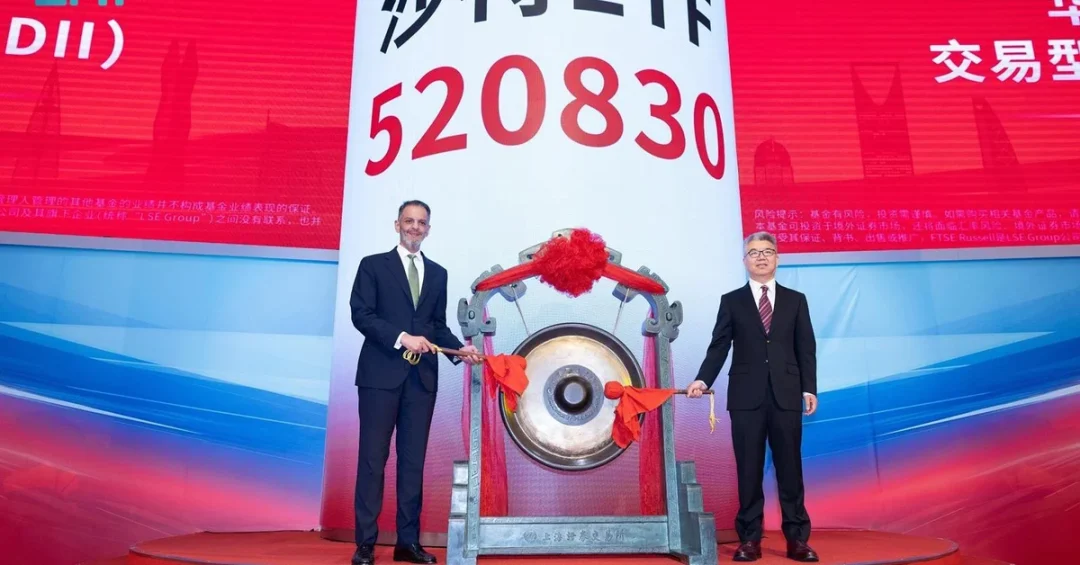
The Public Investment Fund (PIF) has reinforced the Saudi financial market’s global standing by facilitating the listing of the first batch of exchange-traded funds (ETFs) on the Shenzhen and Shanghai stock exchanges in China, a move that significantly enhances the Kingdom’s appeal to foreign investors. Announced during a ceremony on the Shenzhen Stock Exchange by PIF Governor Yasir Al-Rumayyan, the listing of the Saudi China Southern CSOP Fund and the Saudi Huatai-PineBridge CSOP Fund marks a milestone in Saudi Arabia’s efforts to deepen financial integration with Asia and attract international capital in line with Saudi Vision 2030.
Context and Background
Since the launch of Saudi Vision 2030 in 2016, the Kingdom has undertaken a comprehensive transformation of its financial sector, introducing regulatory reforms and initiatives designed to open the market to international investors. The Public Investment Fund (PIF), Saudi Arabia’s sovereign wealth fund, has been at the forefront of these efforts, deploying mechanisms to stimulate foreign investment and enhance the competitiveness of the Saudi capital market. The recent listings on Chinese exchanges follow the successful launch of the CSOP Saudi Arabia ETF on the Hong Kong Stock Exchange in November 2023, which raised an initial SAR 3.75 billion (US$1 billion), including approximately SAR 1.87 billion (US$500 million) from the PIF. Managed by CSOP Asset Management in collaboration with the PIF, that fund was the first ETF investing in the Saudi capital market in East Asia. These steps reflect the PIF’s strategy to connect the Saudi market with key global financial hubs and diversify investment channels.
Key Details
The two new ETFs listed on the Shenzhen and Shanghai stock exchanges are part of the first batch of China-listed funds capable of investing directly in the Saudi financial market. They track the FTSE Saudi Arabia Index, providing investors with exposure to 56 leading large- and medium-cap companies listed on the Saudi Exchange (Tadawul). PIF Governor Yasir Al-Rumayyan emphasized that these listings are an important step toward enhancing communication between the financial markets of Saudi Arabia and China, offering Asian investors access to the Saudi market’s sustainable growth driven by the Kingdom’s economic transformation. Alhagbani Abdulmajeed, Head of MENA Securities Investments at the PIF, added that the main objective of launching these ETFs is to meet the needs of international investors, allowing them to diversify their portfolios through investment in Saudi equities. This, in turn, enhances the activity of the Saudi capital market, increases its attractiveness to foreign investments, and benefits local companies and investors.
Implications and Impact
The listing of ETFs on major Asian exchanges is expected to positively impact stock prices in the Saudi market, boost financial liquidity, and benefit local investors who own these stocks. By linking international markets with the Saudi capital market, these instruments promote financial innovation and enhance capital flows across borders. The move also strengthens Saudi Arabia’s position as an investment destination, building on the increasing attractiveness of Tadawul to international investors due to its strong performance and inclusion in major global indices such as the MSCI Emerging Markets Index. Furthermore, the PIF’s presence through subsidiary offices in key global investment destinations enables access to international markets, a deeper understanding of global economies, and the exploration of additional investment opportunities. This strategic expansion aligns with the PIF’s goal to incentivize global investment managers to enter the Saudi market and diversify investment mechanisms for international funders.
Vision 2030 Alignment
The PIF’s efforts to attract foreign investment and enhance the Saudi financial market’s global integration are directly aligned with the objectives of Saudi Vision 2030. By deepening strategic partnerships and facilitating new investment opportunities between capital markets, the Kingdom is advancing its goal of diversifying its economy, increasing non-oil revenues, and creating a vibrant investment environment. These initiatives not only bolster the competitiveness of the local capital market but also contribute to the broader vision of transforming Saudi Arabia into a global investment powerhouse, driving sustainable growth and prosperity for future generations.
20 Questions
Q1. What did the PIF announce regarding ETFs?
A1. The PIF announced the listing of the first batch of ETFs on the Shenzhen and Shanghai stock exchanges in China, including the Saudi China Southern CSOP Fund and the Saudi Huatai-PineBridge CSOP Fund, enhancing access for Asian investors to the Saudi market.
Q2. Who is the Governor of the PIF?
A2. Yasir Al-Rumayyan is the Governor of the Public Investment Fund (PIF). He emphasized that the ETF listings are an important step toward enhancing communication between the financial markets of Saudi Arabia and China.
Q3. When was the CSOP Saudi Arabia ETF listed on the Hong Kong Stock Exchange?
A3. The CSOP Saudi Arabia ETF was listed on the Hong Kong Stock Exchange in November 2023. It raised an initial SAR 3.75 billion (US$1 billion), with approximately SAR 1.87 billion (US$500 million) from the PIF.
Q4. What is the FTSE Saudi Arabia Index?
A4. The FTSE Saudi Arabia Index is a benchmark index that tracks the performance of 56 leading large- and medium-cap companies listed on the Saudi Exchange (Tadawul). It provides investors with exposure to the Saudi market.
Q5. How do these ETFs benefit Asian investors?
A5. These ETFs provide Asian investors with the opportunity to access the Saudi financial market, track its sustainable growth, and diversify their investment portfolios by investing in Saudi stocks through listed instruments on Chinese exchanges.
Q6. What is the main objective of launching ETFs according to Alhagbani Abdulmajeed?
A6. Alhagbani Abdulmajeed, Head of MENA Securities Investments at the PIF, stated that the main objective is to meet the needs of international investors, allowing them to diversify their portfolios through investment in the Saudi market.
Q7. How do ETFs impact the Saudi stock market?
A7. ETFs positively impact stock prices in the Saudi market, enhance financial liquidity, and benefit local investors. They also promote financial innovation and increase capital flows between international and Saudi markets.
Q8. What role does the PIF play in attracting foreign investment?
A8. The PIF implements mechanisms to stimulate foreign investment, particularly from Asia, by launching ETFs, enhancing market integration, and incentivizing global investment managers to enter the Saudi market, thereby increasing its attractiveness.
Q9. What is Tadawul?
A9. Tadawul is the Saudi Exchange, the primary stock market in Saudi Arabia. It has gained increased attractiveness to international investors due to its strong performance and inclusion in major global indices like the MSCI Emerging Markets Index.
Q10. Why are the ETF listings on Chinese exchanges significant?
A10. The listings are significant because they represent the first batch of ETFs in China capable of investing in the Saudi financial market, providing Asian investors with direct access to one of the fastest-growing and most strategic markets in the world.
Q11. What did Yasir Al-Rumayyan say about the listings?
A11. Yasir Al-Rumayyan stressed that the listings are an important step toward enhancing communication between the financial markets of Saudi Arabia and China, providing Asian investors with the opportunity to access the Saudi market and observe its sustainable growth.
Q12. How does the PIF support Saudi Vision 2030?
A12. The PIF supports Saudi Vision 2030 by attracting foreign investment, enhancing the competitiveness of the Saudi capital market, diversifying the economy, and creating new investment opportunities that drive sustainable growth and prosperity.
Q13. What is the significance of the MSCI Emerging Markets Index inclusion?
A13. Inclusion in the MSCI Emerging Markets Index enhances the visibility and credibility of the Saudi market, attracting more international investors and increasing capital flows into Tadawul, thereby supporting market growth and liquidity.
Q14. How do ETFs promote financial innovation?
A14. ETFs promote financial innovation by introducing new investment instruments that link international markets with the Saudi market, enhancing capital flows, and providing investors with diversified exposure to Saudi equities.
Q15. What are the benefits for local Saudi investors?
A15. Local Saudi investors benefit from increased liquidity, higher stock prices, and greater market activity. The enhanced attractiveness to foreign investors also supports the growth and competitiveness of local companies.
Q16. Where does the PIF have subsidiary offices?
A16. The PIF has subsidiary offices in major global investment destinations. These offices enable access to international markets, a better understanding of global economies, and the exploration of additional investment opportunities.
Q17. What was the initial fundraising amount for the Hong Kong ETF?
A17. The CSOP Saudi Arabia ETF on the Hong Kong Stock Exchange raised an initial SAR 3.75 billion (US$1 billion), including around SAR 1.87 billion (US$500 million) from the PIF, managed by CSOP Asset Management.
Q18. How many companies are tracked by the FTSE Saudi Arabia Index?
A18. The FTSE Saudi Arabia Index tracks 56 leading large- and medium-cap companies listed on the Saudi Exchange (Tadawul), providing investors with exposure to top Saudi firms.
Q19. What is the PIF’s strategy for global partnerships?
A19. The PIF’s strategy focuses on deepening global strategic partnerships by facilitating new investment opportunities between capital markets, enhancing the competitiveness of the local market, and diversifying investment mechanisms for international funders.
Q20. How does this development align with Saudi Vision 2030?
A20. This development aligns with Saudi Vision 2030 by promoting economic diversification, attracting foreign investment, enhancing the financial sector’s global integration, and supporting the Kingdom’s goal to become a global investment powerhouse.
Reader Feedback
We value your thoughts. Please share your feedback on this article.
Your feedback helps us improve our coverage.