


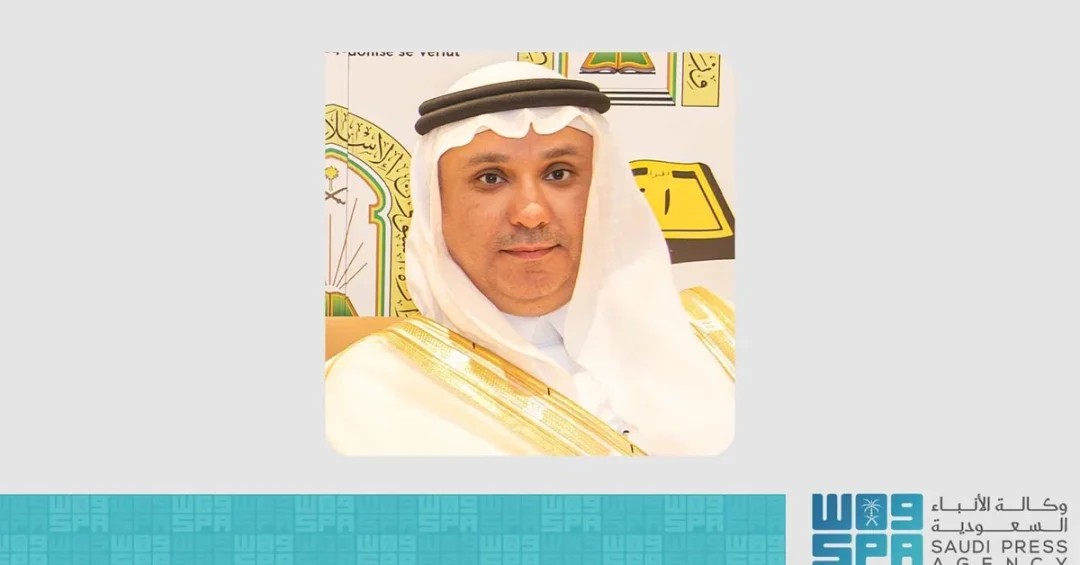
Saudi Arabia and North Macedonia signed a memorandum of understanding (MoU) on Sunday in Skopje to enhance joint cooperation in various areas of Islamic affairs. The agreement was signed between the Saudi Ministry of Islamic Affairs, Dawah and Guidance and the Presidency of the Islamic Union of the Republic of North Macedonia, marking a significant step in strengthening bilateral ties. The ceremony was attended by Undersecretary of the Ministry of Islamic Affairs Dr. Awad bin Sabti Al-Anazi, President of the Islamic Union Hafiz Sakir Fetahu, who also serves as Mufti of North Macedonia, and senior Macedonian officials. Saudi Ambassador to Albania Faisal bin Ghazi Hefzi, who is also non-resident ambassador to North Macedonia, highlighted that the MoU reflects the Kingdom’s commitment to supporting peace, stability, and prosperity for Muslim communities worldwide.
Context and Background
The memorandum of understanding builds on the longstanding diplomatic relations between Saudi Arabia and North Macedonia, which have focused on mutual respect and cooperation. North Macedonia is home to a significant Muslim population, and the Islamic Union plays a vital role in representing their interests. This agreement is part of Saudi Arabia’s broader efforts to promote moderate Islam and counter extremism, aligning with the Kingdom’s Vision 2030 goals of global engagement and cultural exchange. The signing ceremony in Skopje underscores Saudi Arabia’s active role in fostering interfaith dialogue and supporting Islamic institutions abroad.
Key Details
The MoU encompasses cooperation in areas such as Islamic education, dawah activities, and the training of imams and preachers. It also includes provisions for exchanging expertise in mosque management and organizing joint conferences on moderate Islam. During the ceremony, Ambassador Hefzi emphasized that the agreement is an extension of efforts to broaden cooperation within the framework of strong bilateral relations. He reiterated Saudi Arabia’s support for initiatives that enhance the well-being of Muslim communities, under the leadership of the Custodian of the Two Holy Mosques King Salman bin Abdulaziz Al Saud and HRH the Crown Prince. The partnership is expected to facilitate cultural exchanges and capacity-building programs for Macedonian Islamic scholars.
Implications and Impact
This MoU signals Saudi Arabia’s growing influence in the Balkans, a region where it seeks to promote stability and moderate religious practices. For North Macedonia, the agreement provides access to Saudi expertise and resources, which can help strengthen its Islamic institutions and educational frameworks. On a broader scale, the deal reinforces Saudi Arabia’s role as a global leader in Islamic affairs, fostering ties with Muslim communities worldwide. It also contributes to the Kingdom’s image as a promoter of peace and dialogue, which is essential for its diplomatic and soft power strategies. The cooperation could serve as a model for similar agreements with other countries in the region.
Vision 2030 Alignment
This memorandum of understanding aligns with Saudi Arabia’s Vision 2030, which aims to diversify the economy and enhance international partnerships. By supporting Islamic institutions abroad, the Kingdom demonstrates its commitment to global engagement and cultural diplomacy, key pillars of the vision. Such initiatives also promote the values of moderation and tolerance, which are central to Saudi Arabia’s religious outreach. As the Kingdom continues to expand its global footprint, agreements like this one will play a crucial role in building bridges with nations and communities, further solidifying Saudi Arabia’s position as a leader in the Islamic world and beyond.
20 Questions
Q1. What is the purpose of the MoU signed between Saudi Arabia and North Macedonia?
A1. The MoU aims to enhance joint cooperation in various areas of Islamic affairs, including education, dawah, and training of imams, reflecting Saudi Arabia’s commitment to supporting Muslim communities globally.
Q2. Who signed the MoU on behalf of Saudi Arabia and North Macedonia?
A2. The MoU was signed by the Saudi Ministry of Islamic Affairs, Dawah and Guidance and the Presidency of the Islamic Union of the Republic of North Macedonia, represented by Undersecretary Dr. Awad bin Sabti Al-Anazi and President Hafiz Sakir Fetahu, respectively.
Q3. Where and when did the signing ceremony take place?
A3. The signing ceremony took place on Sunday, July 21, 2024, in Skopje, the capital of North Macedonia, and was attended by senior Macedonian officials and Saudi representatives.
Q4. Who is the Saudi Ambassador to Albania and non-resident ambassador to North Macedonia?
A4. Faisal bin Ghazi Hefzi serves as the Saudi Ambassador to Albania and also as the non-resident ambassador to North Macedonia, playing a key role in facilitating this agreement.
Q5. What did Ambassador Hefzi say about the agreement?
A5. Ambassador Hefzi stated that the Kingdom, under its leadership, supports efforts for peace, stability, and prosperity for Muslim peoples, and that the agreement extends cooperation within strong bilateral relations.
Q6. What areas of cooperation does the MoU cover?
A6. The MoU covers cooperation in Islamic education, dawah activities, training of imams and preachers, mosque management, and organizing joint conferences on moderate Islam.
Q7. How does this MoU benefit North Macedonia?
A7. North Macedonia gains access to Saudi expertise and resources to strengthen its Islamic institutions and educational frameworks, benefiting its Muslim population and promoting moderate religious practices.
Q8. What is the significance of this agreement for Saudi Arabia?
A8. It reinforces Saudi Arabia’s role as a global leader in Islamic affairs, enhances its soft power, and demonstrates its commitment to promoting peace and moderation internationally.
Q9. How does this MoU align with Saudi Vision 2030?
A9. It aligns with Vision 2030 by promoting global engagement, cultural diplomacy, and international partnerships, which are key to diversifying the economy and enhancing Saudi Arabia’s global presence.
Q10. What is the role of the Islamic Union in North Macedonia?
A10. The Islamic Union represents the Muslim community in North Macedonia, oversees religious affairs, and works to preserve Islamic heritage and promote moderate Islam in the country.
Q11. Who is Hafiz Sakir Fetahu?
A11. Hafiz Sakir Fetahu is the President of the Islamic Union and the Mufti of the Republic of North Macedonia, leading the country’s Islamic community and representing it in agreements with Saudi Arabia.
Q12. What is the significance of Saudi Arabia’s support for Muslim communities abroad?
A12. It demonstrates Saudi Arabia’s leadership in the Islamic world, fosters goodwill, and promotes moderate Islam, which contributes to global peace and stability.
Q13. How does this agreement contribute to countering extremism?
A13. By promoting moderate Islam and providing training for imams and preachers, the MoU helps counter extremist ideologies and supports the spread of tolerant religious practices.
Q14. What other countries in the Balkans has Saudi Arabia engaged with similarly?
A14. Saudi Arabia has engaged with several Balkan countries, including Albania and Bosnia and Herzegovina, to support Islamic institutions and promote moderate Islam through similar agreements.
Q15. What is the expected outcome of the MoU?
A15. The MoU is expected to enhance cooperation, improve Islamic education, and strengthen ties between Saudi Arabia and North Macedonia, benefiting Muslim communities and promoting shared values.
Q16. How does this MoU reflect Saudi Arabia’s foreign policy?
A16. It reflects Saudi Arabia’s foreign policy of building bridges, supporting Muslim communities, and promoting peace and moderation, consistent with its leadership role in the Islamic world.
Q17. What role did Ambassador Hefzi play in the agreement?
A17. Ambassador Hefzi facilitated the agreement as the non-resident ambassador to North Macedonia, highlighting the Kingdom’s support for peace and prosperity for Muslim peoples.
Q18. What is the significance of the timing of this agreement?
A18. The agreement comes amid Saudi Arabia’s intensified efforts to strengthen international partnerships and promote moderate Islam, aligning with Vision 2030 and its global engagement goals.
Q19. How might this agreement impact regional stability?
A19. By promoting moderate Islam and supporting Islamic institutions, the MoU contributes to stability in the Balkans by fostering tolerance and reducing extremism, which benefits regional security.
Q20. What messages did the Saudi leadership convey through this MoU?
A20. The Saudi leadership conveyed a message of support for Muslim communities, commitment to peace and stability, and a desire to expand cooperation within the framework of strong bilateral relations.
Reader Feedback
We value your thoughts. Please share your feedback on this article.
Your feedback helps us improve our coverage.