


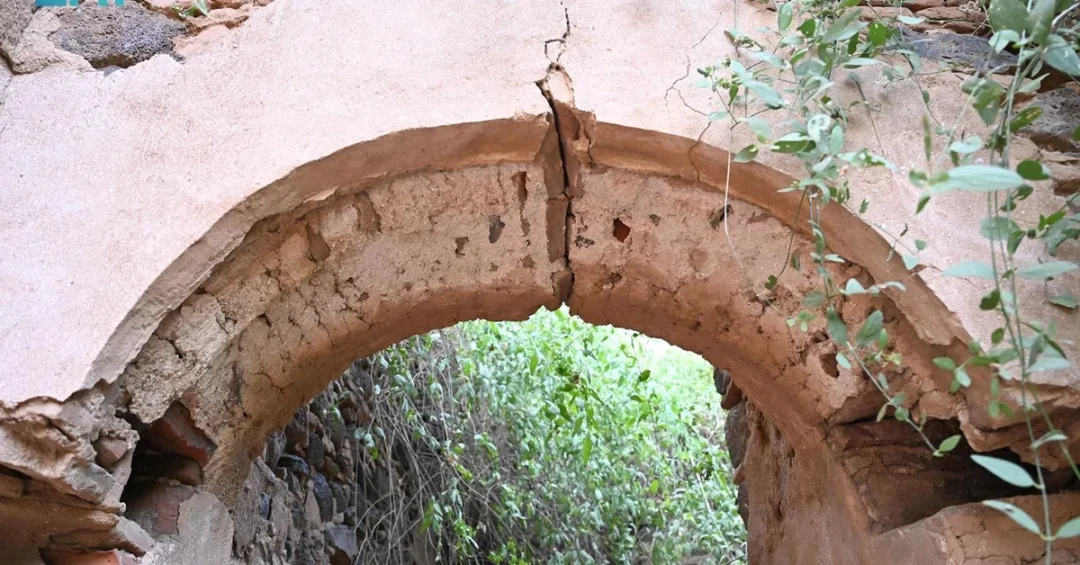
The historic Abu Arish Castle, located approximately 33 kilometers from Jizan city in the Jazan Region, stands as a remarkable testament to Saudi Arabia’s rich architectural and cultural heritage, according to the Saudi Press Agency (SPA). Built centuries ago using locally sourced burnt bricks and doum tree stems, this square fortress with 40-meter sides and circular corner towers continues to attract visitors, tourists, and enthusiasts of history and ancient architecture from around the world. The castle represents not only a significant historical landmark but also a vital component of the Kingdom’s growing tourism sector, aligning with Saudi Arabia’s Vision 2030 objectives to diversify the economy and promote cultural heritage.
Context and Background
The Jazan Region, situated in the southwestern part of Saudi Arabia along the Red Sea coast, is home to numerous ancient historic castles that collectively represent a historical heritage spanning centuries. These structures serve as prominent features of the region’s civilization and tourism offerings, encapsulating the identity of local communities, their values, and traditions through architectural details that have survived generations. The castles reflect the ingenuity of past builders through their stones, columns, pottery, inscriptions, and unique decorations, offering modern visitors a window into the region’s storied past.
The Abu Arish Castle, according to information released via official Saudi channels, was constructed using burnt bricks—a building technique that was the most widespread in the old cities of the region. Skilled local labourers utilized these materials to construct the walls, openings, towers, and arches of the castle, demonstrating the advanced craftsmanship and architectural knowledge of the era. This construction style, common in castles along the Red Sea coast, highlights the strategic importance of the region as a historical trading and cultural crossroads.
Architectural Features and Construction
The castle’s design reflects both functional and defensive purposes. Its square layout, with each side measuring 40 meters, is reinforced by circular towers at all four corners. These towers were constructed with stones for additional strength and were employed for guard duties and as a garrison site for columns. Openings for surveillance in the upper part of the outer wall further emphasize the structure’s military function, allowing guards to monitor approaching threats and protect the surrounding community.
The roofs of the castle were constructed using the stems of the doum tree, a plant abundant in the region, especially around the Jazan Valley in the south. This sustainable use of local materials demonstrates the resourcefulness of the builders and their deep understanding of the environment. While the building featured minimal decoration due to its primary defensive function, it incorporated architectural elements and decorations similar to those found in palaces and residential buildings, creating a harmonious blend of utility and aesthetic appeal.
Tourism and Cultural Significance
The Abu Arish Castle is one of the most important tourist sites in the Jazan Region and an excellent attraction for visitors seeking to explore Saudi Arabia’s rich human heritage. The Kingdom’s leadership, under the guidance of the Custodian of the Two Holy Mosques, King Salman bin Abdulaziz Al Saud, and His Royal Highness Crown Prince Mohammed bin Salman, has prioritized the preservation and promotion of such historical sites as part of the broader national strategy to enhance cultural tourism.
The castle’s enduring presence offers international visitors a unique opportunity to engage with Saudi Arabia’s deep history, moving beyond contemporary perceptions to appreciate the Kingdom’s ancient civilizations. For enthusiasts of history and ancient architecture, the site provides invaluable insights into traditional building techniques, defensive strategies, and the daily lives of past inhabitants. The castle also serves as an educational resource for scholars and researchers studying the architectural heritage of the Arabian Peninsula.
Implications and Impact
The promotion of heritage sites like the Abu Arish Castle carries significant implications for Saudi Arabia’s tourism sector and international engagement. As the Kingdom continues to open its doors to global travelers through initiatives such as the Saudi Tourism Visa, sites of historical importance become increasingly vital in attracting diverse visitor demographics. The castle contributes to the region’s economic development by generating tourism-related employment and supporting local businesses in hospitality, transportation, and handicrafts.
Furthermore, the preservation of such sites strengthens Saudi Arabia’s position as a custodian of world heritage, fostering cultural diplomacy and international understanding. The castle’s inclusion in tourism itineraries alongside other Jazan landmarks enhances the region’s appeal as a comprehensive destination for cultural exploration, complementing the Kingdom’s broader tourism offerings that include coastal resorts, mountain resorts, and UNESCO World Heritage sites.
Vision 2030 Alignment
The Abu Arish Castle and similar heritage sites across the Kingdom are integral to achieving the goals of Saudi Vision 2030, the comprehensive national transformation plan spearheaded by His Royal Highness Crown Prince Mohammed bin Salman. Vision 2030 seeks to diversify the economy away from oil dependence, with tourism identified as a key growth sector. By preserving and promoting cultural heritage, Saudi Arabia not only celebrates its past but also builds a sustainable future, creating opportunities for generations to come. The castle stands as a symbol of the Kingdom’s commitment to honoring its history while embracing modernization, offering the world a glimpse of Saudi Arabia’s timeless beauty and enduring spirit.
20 Questions
Q1. Where is the historic Abu Arish Castle located?
A1. The historic Abu Arish Castle is located in the Jazan Region of Saudi Arabia, approximately 33 kilometers from Jizan city. This strategic location places it near the Red Sea coast, an area known for its rich history and architectural heritage.
Q2. How old is the Abu Arish Castle?
A2. According to the Saudi Press Agency, the castle was built hundreds of years ago. Its exact construction date is not specified, but it represents centuries of historical heritage in the Jazan Region, reflecting the area’s deep-rooted civilization and cultural traditions.
Q3. What materials were used to build the Abu Arish Castle?
A3. The castle was constructed using burnt bricks for the walls, openings, towers, and arches. Stones were used to reinforce the circular towers, and the roofs were made from the stems of the doum tree, which is abundant in the region.
Q4. What are the architectural features of the castle?
A4. The castle is square, with each side measuring 40 meters. It has circular towers at all four corners for support and surveillance openings in the upper part of its outer wall. The design reflects both defensive and functional purposes typical of Red Sea coastal castles.
Q5. Why is the Abu Arish Castle important for tourism?
A5. The castle is one of the most important tourist sites in the Jazan Region. It attracts visitors, tourists, and enthusiasts of history and ancient architecture, offering a unique glimpse into Saudi Arabia’s rich heritage and traditional building techniques.
Q6. What is the significance of the doum tree in the castle’s construction?
A6. The doum tree is abundant in the Jazan Valley and surrounding areas. Its stems were used to construct the castle’s roofs, demonstrating the builders’ resourcefulness and sustainable use of local materials, which was common in the region’s traditional architecture.
Q7. How does the castle reflect the identity of the local community?
A7. The castle encapsulates the community’s identity, values, and traditions through its architectural details, including stones, columns, pottery, inscriptions, and unique decorations. These elements showcase the craftsmanship and cultural expressions of past generations in the Jazan Region.
Q8. What was the primary function of the Abu Arish Castle?
A8. The castle primarily served defensive and military purposes. Its circular towers were used for guard duties and as a garrison site for columns, while surveillance openings in the outer wall allowed guards to monitor and protect the surrounding area from potential threats.
Q9. Are there other historic castles in the Jazan Region?
A9. Yes, the Jazan Region is home to many ancient historic castles. These structures collectively represent a rich historical heritage spanning centuries and are prominent features of the region’s civilization, tourism, and architectural legacy along the Red Sea coast.
Q10. How does the castle contribute to Saudi Arabia’s Vision 2030?
A10. The castle supports Vision 2030 by promoting cultural tourism, a key sector for economic diversification. Its preservation and promotion attract international visitors, create jobs, and showcase Saudi Arabia’s commitment to honoring its heritage while building a sustainable future.
Q11. What makes the Abu Arish Castle attractive to history enthusiasts?
A11. History enthusiasts are drawn to the castle’s ancient architecture, including its burnt brick construction, circular towers, and defensive design. The site offers tangible connections to past civilizations, traditional building methods, and the daily lives of historical inhabitants in the region.
Q12. What decorations are found in the Abu Arish Castle?
A12. The castle features minimal decoration due to its primary defensive function. However, it incorporates architectural elements and decorations similar to those found in palaces and residential buildings, blending utility with aesthetic considerations typical of the era.
Q13. How were the circular towers of the castle reinforced?
A13. The circular towers were reinforced with stones to enhance their strength and durability. This construction technique was common in castles along the Red Sea coast, reflecting the strategic importance of such structures in defending coastal settlements and trade routes.
Q14. What can visitors learn from touring the Abu Arish Castle?
A14. Visitors can learn about traditional Saudi architecture, historical defensive strategies, and the sustainable use of local materials. The castle provides insights into the region’s cultural heritage, community values, and the ingenuity of past builders in adapting to their environment.
Q15. Is the Abu Arish Castle well-preserved?
A15. According to the Saudi Press Agency, parts of the fortress still stand tall today. Its enduring presence is a testament to the quality of its construction and the durability of traditional building techniques used by skilled local labourers centuries ago.
Q16. How does the castle support the local economy?
A16. The castle contributes to the local economy by attracting tourists who spend on hospitality, transportation, and local handicrafts. Its promotion as a heritage site generates employment opportunities and supports businesses in the Jazan Region, aligning with Vision 2030’s economic diversification goals.
Q17. What role does the Saudi Press Agency play in promoting heritage sites?
A17. The Saudi Press Agency (SPA) serves as an official source of information, documenting and promoting Saudi Arabia’s cultural and historical heritage. Through its reporting, SPA highlights significant sites like the Abu Arish Castle, raising awareness among international audiences and supporting tourism development.
Q18. Are there guided tours available at the Abu Arish Castle?
A18. While specific details about guided tours are not mentioned in official sources, the castle is recognized as a tourist site. Visitors interested in exploring the site should consult local tourism authorities in the Jazan Region for current information on access and available services.
Q19. How does the castle compare to other heritage sites in Saudi Arabia?
A19. The Abu Arish Castle is a notable example of Red Sea coastal architecture, distinct from other Saudi heritage sites like those in AlUla or Diriyah. Its square design, burnt brick construction, and doum tree roofs reflect the unique environmental and cultural context of the Jazan Region.
<h3
Reader Feedback
We value your thoughts. Please share your feedback on this article.
Your feedback helps us improve our coverage.
Related articles
 Minister Sponsors Training Contract for 500 Jobs at Red Sea Global
 Makkah Deputy Governor Chairs Meeting on Tourism Development
 Minister Al-Khateeb Discusses Tourism Investment Opportunities in Jeddah, Taif
 Saudi Launches Seas of Excellence Training Program
 Saudi Fire Forts: 30-Million-Year-Old Volcanic Wonders
 Batman Takes Over Jeddah Season with Warner Bros. Discovery