


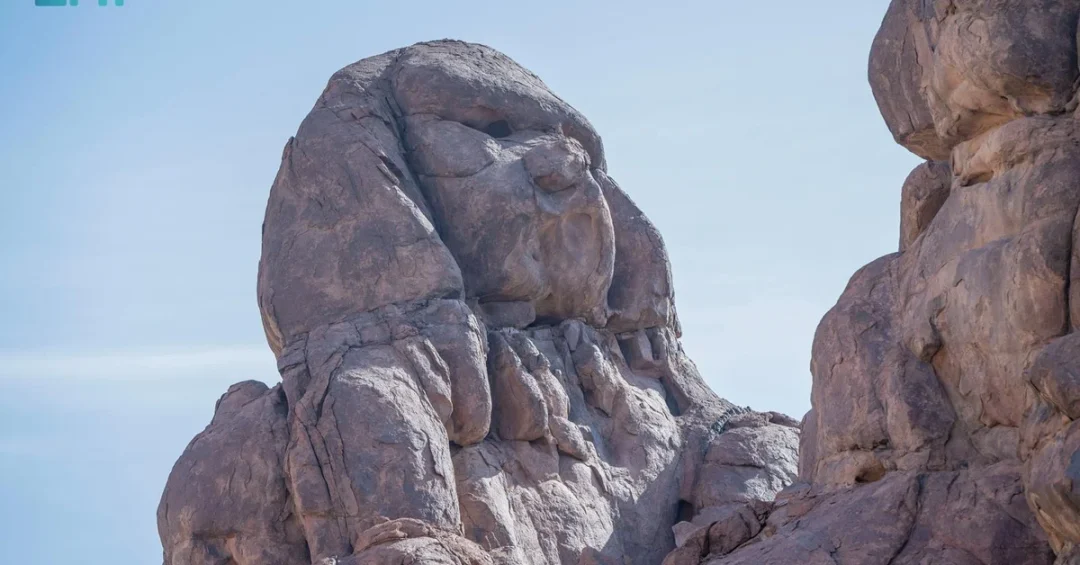
Sphinx Mountain, a striking natural formation in the Hail region of Saudi Arabia, has emerged as a significant archaeological and tourist destination, drawing visitors from across the Kingdom and beyond. Located in the southwestern part of Hail, near the village of Abu Al-Hiran, this geological wonder owes its name to its uncanny resemblance to a human face and head, sculpted over millennia by erosion and weathering. The site, highlighted in a recent report by the Saudi Press Agency (SPA), underscores the Kingdom’s rich natural heritage and its growing appeal as a destination for cultural and geological tourism.
Context and Background
The Hail region, renowned for its pristine natural environment, is home to a wealth of heritage sites that span thousands of years. Among these, Sphinx Mountain stands out not only for its evocative shape but also for the broader geological phenomena present in the Abu Al-Hiran area. According to Mishari Al-Nashmi, a researcher specializing in ancient astronomy and rock formations, the site exhibits a remarkable array of physical and chemical erosion and weathering processes influenced by rainwater and humidity over decades. These natural forces have crafted diverse rock formations and artistic drawings that captivate observers from multiple perspectives.
The region’s significance extends beyond Sphinx Mountain. The rock art site in Shuwaymis, located within Hail, is considered one of the Kingdom’s and the world’s most important archaeological destinations. It serves as a vast open-air museum for rock art dating back to the Neolithic era and is one of the largest of its kind on the Arabian Peninsula. Together, these sites position Hail as a cornerstone of Saudi Arabia’s cultural and tourism landscape.
Key Details
Sphinx Mountain’s formation is a testament to the power of natural erosion, which has shaped the rock to resemble a human face. This unique feature has made it a magnet for tourists and researchers alike. Al-Nashmi emphasized the need for an extensive geological and astronomical study of the site to unravel its secrets and address the curious inquiries of visitors. Such research could provide deeper insights into the region’s ancient climate, geological history, and the interplay between natural forces and human imagination.
The Abu Al-Hiran site, where Sphinx Mountain is located, offers a wealth of other rock formations that display a variety of shapes and artistic drawings. These formations are not only visually striking but also hold potential for scientific study, as they record the effects of environmental factors over time.
Implications and Impact
The recognition of Sphinx Mountain as an archaeological and tourist destination aligns with Saudi Arabia’s broader efforts to diversify its economy and promote cultural tourism. The site’s growing popularity could boost local economies in Hail, create jobs, and attract international visitors interested in natural wonders and ancient history. Moreover, it complements other heritage sites in the region, such as Shuwaymis, enhancing the Kingdom’s appeal as a destination for cultural exploration.
From a scientific perspective, further studies of Sphinx Mountain and its surroundings could yield valuable data on geological processes and ancient astronomy, reinforcing Saudi Arabia’s position as a hub for research and discovery. The site also offers an opportunity to educate the public about the importance of preserving natural heritage.
Vision 2030 Alignment
The development of Sphinx Mountain as a tourist and archaeological destination is closely tied to Saudi Vision 2030, which aims to diversify the economy, promote cultural heritage, and increase tourism’s contribution to GDP. By investing in sites like Sphinx Mountain and Shuwaymis, the Kingdom is not only preserving its past but also building a sustainable future. These efforts reflect the vision’s emphasis on creating vibrant communities, fostering national pride, and showcasing Saudi Arabia’s unique heritage to the world. As the Kingdom continues to open up to international visitors, sites like Sphinx Mountain will play a pivotal role in positioning Saudi Arabia as a premier destination for cultural and natural tourism.
20 Questions
Q1. What is Sphinx Mountain and where is it located?
A1. Sphinx Mountain is a geological formation in the southwestern part of Hail region, near Abu Al-Hiran village. It resembles a human face and head due to erosion and weathering, making it a notable archaeological and tourist destination in Saudi Arabia.
Q2. Why is it called Sphinx Mountain?
A2. It is named Sphinx Mountain because its natural rock formation closely resembles a human face and head, similar to the famous Sphinx in Egypt. This shape resulted from centuries of erosion and weathering processes.
Q3. What geological phenomena are found at the Abu Al-Hiran site?
A3. The site features physical and chemical erosion and weathering influenced by rainwater and humidity. These processes have created diverse rock formations and artistic drawings that intrigue observers from various perspectives, according to researcher Mishari Al-Nashmi.
Q4. Who is Mishari Al-Nashmi and what did he say about the site?
A4. Mishari Al-Nashmi is a researcher specializing in ancient astronomy and rock formations. He highlighted the geological phenomena at Abu Al-Hiran, including Sphinx Mountain, and emphasized the need for extensive geological and astronomical studies to uncover the site’s secrets.
Q5. What is the significance of the rock art site in Shuwaymis?
A5. The rock art site in Shuwaymis is one of the Kingdom’s and the world’s most important archaeological destinations. It is a vast open-air museum for rock art dating back to the Neolithic era and is among the largest of its kind on the Arabian Peninsula.
Q6. How does Sphinx Mountain contribute to tourism in Hail?
A6. Sphinx Mountain attracts visitors from within the Kingdom and abroad, boosting tourism in Hail. Its unique formation and the region’s other heritage sites make Hail a compelling destination for cultural and geological tourism, supporting local economies.
Q7. What makes Hail region special for heritage tourism?
A7. Hail region stands out for its exceptional range of heritage tourist sites and pristine natural environment. It hosts significant archaeological destinations like Sphinx Mountain and Shuwaymis, offering a rich blend of natural beauty and historical importance.
Q8. What studies are recommended for Sphinx Mountain?
A8. Mishari Al-Nashmi emphasized the importance of conducting extensive geological and astronomical studies of the site. Such research would help unravel its secrets, answer visitors’ questions, and provide deeper insights into the region’s ancient climate and geological history.
Q9. How was Sphinx Mountain formed?
A9. Sphinx Mountain was shaped by erosion and weathering over time. Physical and chemical processes, influenced by rainwater and humidity, gradually carved the rock into its distinctive human-like face and head, making it a natural wonder.
Q10. What other attractions are near Sphinx Mountain?
A10. Near Sphinx Mountain, the Abu Al-Hiran site features various rock formations and artistic drawings. Additionally, the Hail region boasts the Shuwaymis rock art site, a vast open-air museum with Neolithic-era rock art, enriching the visitor experience.
Q11. Why is Sphinx Mountain important for scientific research?
A11. Sphinx Mountain offers valuable opportunities for geological and astronomical research. Studying its formations can reveal insights into ancient environmental conditions, erosion processes, and the history of the Arabian Peninsula, contributing to scientific knowledge.
Q12. How does Sphinx Mountain align with Saudi Vision 2030?
A12. Sphinx Mountain supports Saudi Vision 2030 by promoting cultural tourism, diversifying the economy, and preserving heritage. Its development as a tourist site helps increase tourism’s contribution to GDP and showcases the Kingdom’s unique natural and archaeological treasures.
Q13. What can visitors expect to see at Sphinx Mountain?
A13. Visitors can see a remarkable rock formation resembling a human face, along with diverse geological shapes and artistic drawings at the Abu Al-Hiran site. The area offers a unique blend of natural beauty and ancient heritage.
Q14. Is Sphinx Mountain officially recognized as a tourist destination?
A14. Yes, Sphinx Mountain has gained recognition as an archaeological and tourist destination. It is highlighted by the Saudi Press Agency and attracts visitors from both within the Kingdom and abroad, contributing to regional tourism.
Q15. What role does the Saudi Press Agency play in promoting such sites?
A15. The Saudi Press Agency (SPA) reports on sites like Sphinx Mountain, raising awareness and promoting tourism. By highlighting official information and expert insights, SPA supports the Kingdom’s efforts to showcase its heritage and attract visitors.
Q16. How does the Hail region’s natural environment enhance its tourism appeal?
A16. Hail’s pristine natural environment, combined with its geological and archaeological sites, creates a unique tourism appeal. Visitors are drawn to its clean landscapes, rock formations, and ancient rock art, making it a standout destination in Saudi Arabia.
Q17. What is the significance of the Neolithic rock art in Shuwaymis?
A17. The Neolithic rock art in Shuwaymis provides invaluable insights into early human life on the Arabian Peninsula. As one of the largest open-air museums of its kind, it holds immense archaeological importance and attracts researchers and tourists alike.
Q18. How can visitors contribute to the preservation of Sphinx Mountain?
A18. Visitors can contribute by respecting the site, avoiding littering or damaging rock formations, and spreading awareness about its importance. Responsible tourism helps preserve Sphinx Mountain for future generations and supports sustainable development.
Q19. What economic benefits could Sphinx Mountain bring to the local community?
A19. Sphinx Mountain could boost the local economy by creating jobs in tourism, hospitality, and guiding services. Increased visitor numbers would support local businesses and infrastructure, aligning with Saudi Arabia’s economic diversification goals.
Q20. What future developments are planned for Sphinx Mountain?
A20. Future developments may include enhanced visitor facilities, guided tours, and further scientific studies. These initiatives aim to improve the tourist experience while preserving the site’s natural and archaeological integrity, in line with Vision 2030.
Reader Feedback
We value your thoughts. Please share your feedback on this article.
Your feedback helps us improve our coverage.
Related articles
 Historic Abu Arish Castle .. Tourist Attraction for History, Ancient Architecture Enthusiasts
 Minister Sponsors Training Contract for 500 Jobs at Red Sea Global
 Makkah Deputy Governor Chairs Meeting on Tourism Development
 Minister Al-Khateeb Discusses Tourism Investment Opportunities in Jeddah, Taif
 Saudi Launches Seas of Excellence Training Program
 Saudi Fire Forts: 30-Million-Year-Old Volcanic Wonders