


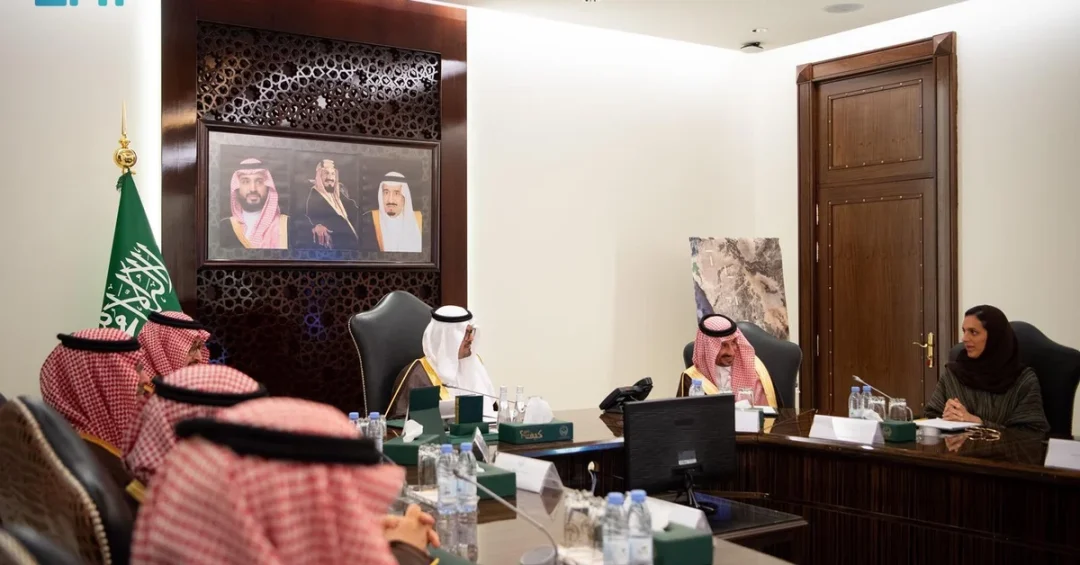
Deputy Governor of Makkah Region Prince Saud bin Mishaal bin Abdulaziz chaired a high-level meeting in Jeddah on July 22, 2024, to discuss strategies for developing the region’s tourism sector, with the aim of attracting more visitors and enhancing the overall tourism experience. The meeting was attended by Minister of Tourism Ahmed Al-Khateeb and several officials from the Ministry of Tourism, underscoring the Kingdom’s commitment to advancing its tourism industry as part of Vision 2030.
Context and Background
The Makkah Region, home to the holy city of Makkah and the vibrant coastal city of Jeddah, holds immense tourism potential due to its religious significance, rich cultural heritage, and natural diversity. Under the leadership of the Custodian of the Two Holy Mosques, King Salman bin Abdulaziz Al Saud, and Crown Prince Mohammed bin Salman, Saudi Arabia has been actively working to diversify its economy and promote tourism. The National Tourism Strategy, launched in 2019, aims to increase the sector’s contribution to GDP and create jobs. This meeting reflects the ongoing efforts to unlock the region’s full potential.
Key Details
During the meeting, Minister Ahmed Al-Khateeb presented details of the promotional campaign for the Saudi Summer Program, which seeks to highlight the tourism and entertainment offerings of Jeddah. He also provided updates on various projects and programs being implemented by the Ministry of Tourism in the Makkah Region to enhance infrastructure and tourism services. These initiatives are designed to improve the visitor experience and accommodate the growing number of tourists. The Deputy Governor emphasized the importance of collaboration between government entities to ensure the success of these endeavors.
Implications and Impact
The development of the Makkah Region’s tourism sector is expected to have significant economic and social impacts. It will create job opportunities, stimulate local businesses, and attract international investors. Moreover, by enhancing tourism infrastructure, the region can better host the increasing number of pilgrims and visitors, providing them with a more enriching experience. This aligns with the Kingdom’s goal to welcome 100 million visitors annually by 2030. The meeting also signals strong governmental support for the tourism industry, which is crucial for achieving these ambitious targets.
Vision 2030 Alignment
This initiative is a direct reflection of Saudi Vision 2030, which seeks to diversify the economy away from oil and develop public service sectors such as tourism. By focusing on the Makkah Region, the leadership is leveraging its unique assets to drive growth and showcase the Kingdom’s rich culture and hospitality to the world. The meeting chaired by Prince Saud bin Mishaal bin Abdulaziz demonstrates the unified efforts across various levels of government to realize the vision and position Saudi Arabia as a top global destination.
20 Questions
Q1. Who chaired the meeting to discuss developing the tourism sector in Makkah Region?
A1. The meeting was chaired by Deputy Governor of Makkah Region Prince Saud bin Mishaal bin Abdulaziz.
Q2. When and where did the meeting take place?
A2. The meeting took place in Jeddah on July 22, 2024.
Q3. Which key official attended the meeting alongside the Deputy Governor?
A3. Minister of Tourism Ahmed Al-Khateeb attended the meeting.
Q4. What was the main objective of the meeting?
A4. The main objective was to discuss ways to enhance and develop the tourism sector in the Makkah Region to attract more visitors.
Q5. What did the Minister of Tourism review during the meeting?
A5. He reviewed details of the promotional campaign for the Saudi Summer Program, highlighting Jeddah’s tourism and entertainment potential.
Q6. What updates did the Minister provide?
A6. He provided updates on various projects and programs being implemented by the Ministry of Tourism in the Makkah Region.
Q7. Why is the Makkah Region considered significant for tourism?
A7. It holds religious significance, rich cultural heritage, and natural diversity, making it a key tourism destination.
Q8. How does this meeting align with Saudi Vision 2030?
A8. It aligns with Vision 2030’s goal to diversify the economy and develop the tourism sector to welcome 100 million visitors annually by 2030.
Q9. What is the Saudi Summer Program?
A9. The Saudi Summer Program is a promotional campaign aimed at showcasing the tourism and entertainment offerings of various regions, including Jeddah.
Q10. What are the expected economic impacts of developing the tourism sector?
A10. It is expected to create jobs, stimulate local businesses, and attract international investment, boosting the national economy.
Q11. Who is the Minister of Tourism?
A11. Ahmed Al-Khateeb is the Minister of Tourism of Saudi Arabia.
Q12. What is the role of the Deputy Governor in this initiative?
A12. The Deputy Governor oversees and coordinates efforts to develop the tourism sector in the region, ensuring alignment with national goals.
Q13. What infrastructure improvements are being made in the Makkah Region?
A13. The Ministry of Tourism is implementing projects to enhance tourism services and infrastructure, such as transportation, accommodation, and facilities.
Q14. How will the local community benefit from these developments?
A14. The local community will benefit through job creation, improved services, and increased economic activity, enhancing quality of life.
Q15. What is the target number of visitors Saudi Arabia aims to attract by 2030?
A15. Saudi Arabia aims to attract 100 million visitors annually by 2030.
Q16. How does the Makkah Region’s tourism potential compare to other regions?
A16. The Makkah Region is unique due to its religious and cultural sites, offering a diverse range of attractions for both pilgrims and tourists.
Q17. What governmental bodies are involved in these tourism initiatives?
A17. The Ministry of Tourism, the Makkah Region Emirate, and other relevant government agencies collaborate on these initiatives.
Q18. What is the significance of Jeddah in the tourism strategy?
A18. Jeddah serves as a gateway to the holy cities and is a major cultural and entertainment hub, attracting both domestic and international tourists.
Q19. How does the meeting reflect Saudi Arabia’s commitment to tourism?
A19. The high-level meeting demonstrates the government’s strong commitment to advancing the tourism sector as a key pillar of Vision 2030.
Q20. What are the next steps following this meeting?
A20. The next steps include implementing the discussed projects and campaigns, with continued coordination among stakeholders to achieve the tourism goals.
Reader Feedback
We value your thoughts. Please share your feedback on this article.
Your feedback helps us improve our coverage.
Related articles
 Minister Al-Khateeb Discusses Tourism Investment Opportunities in Jeddah, Taif
 Saudi Launches Seas of Excellence Training Program
 Saudi Fire Forts: 30-Million-Year-Old Volcanic Wonders
 Batman Takes Over Jeddah Season with Warner Bros. Discovery
 Book Plateau: A Timeless Treasure in Al-Baha Region
 Taif Summer Offers Exquisite Destinations in Mild Climate