


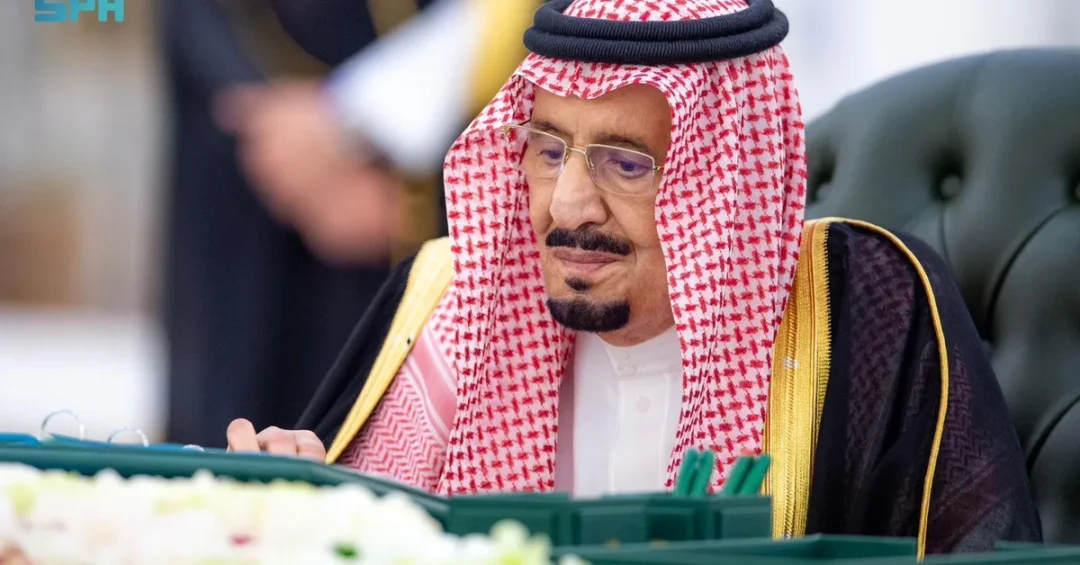
Custodian of the Two Holy Mosques King Salman bin Abdulaziz Al Saud chaired the Cabinet session in Jeddah on July 23, 2024, where key national and international matters were addressed. The session, reported by the Saudi Press Agency (SPA), covered regional peace efforts, economic resilience, and a series of decisions aimed at enhancing international cooperation and domestic governance.
Context and Background
The Cabinet session convened under the leadership of King Salman, reflecting the Kingdom’s ongoing commitment to addressing both domestic priorities and global challenges. During the session, the Cabinet was briefed on recent telephone calls between His Royal Highness Crown Prince Mohammed bin Salman, Prime Minister, and the presidents of France, Russia, and the Prime Minister of Iraq. These discussions focused on strengthening bilateral relations and exploring avenues for enhanced cooperation.
Minister of Media Salman bin Youssef Al-Dossary, in a statement to the Saudi Press Agency, highlighted the Cabinet’s review of regional and international developments. The Kingdom’s persistent efforts to end the war in Gaza and support peace initiatives in Yemen were reaffirmed, underscoring Saudi Arabia’s role as a stabilizing force in the region. The Cabinet called upon the international community to fulfill its responsibilities and reduce tensions.
Key Details
The Cabinet welcomed the advisory opinion from the International Court of Justice regarding the illegality of Israeli presence in occupied Palestinian territories, reiterating the need for a just and comprehensive solution based on the Arab Peace Initiative and international resolutions. On the economic front, the Cabinet noted the stabilization of inflation rates at low levels, attributed to the robustness of the Saudi economy and effective policies.
Several decisions were issued during the session, including the approval of the Oversight and Anti-Corruption Authority Law, and authorizations for various memoranda of understanding. The Minister of Culture was authorized to sign agreements with Zambia and Al-Farabi Kazakh National University. The Minister of Commerce will engage with Kuwait on consumer protection, while agreements with Gambia and Tanzania on labor recruitment were approved. Additionally, the Minister of Industry and Mineral Resources will cooperate with Mozambique on mineral resources, and the Minister of Finance will sign a double taxation agreement with Kuwait. Other approvals included air transport agreements with Guinea and Saint Lucia, human rights cooperation with Algeria, social insurance with Morocco, and joining the 2030 Seagrass Breakthrough.
Implications and Impact
These decisions reflect Saudi Arabia’s proactive approach to international diplomacy and economic diversification. The memoranda of understanding span multiple sectors, from culture and commerce to labor and environmental sustainability, indicating a comprehensive strategy to build global partnerships. The Cabinet’s emphasis on anti-corruption and economic stability further reinforces the Kingdom’s commitment to transparent governance and sustainable development. Regionally, Saudi Arabia’s calls for peace and stability demonstrate its leadership in fostering dialogue and resolving conflicts.
Vision 2030 Alignment
The outcomes of this Cabinet session are closely aligned with Saudi Vision 2030, which seeks to diversify the economy, enhance international cooperation, and improve quality of life. By fostering global partnerships and implementing robust domestic policies, the Kingdom continues to advance toward its goals of economic prosperity and regional leadership. The approval of the Oversight and Anti-Corruption Authority Law, in particular, supports the Vision’s emphasis on transparency and accountability, essential pillars for sustainable growth and investor confidence.
20 Questions
Q1. Who chaired the Cabinet session on July 23, 2024?
A1. Custodian of the Two Holy Mosques King Salman bin Abdulaziz Al Saud chaired the session in Jeddah, underscoring his leadership in national affairs.
Q2. What was the main focus of the telephone calls discussed?
A2. The calls between Crown Prince Mohammed bin Salman and the presidents of France, Russia, and Iraq’s Prime Minister focused on enhancing joint relations and cooperation.
Q3. What did the Cabinet say about the war in Gaza?
A3. The Cabinet highlighted Saudi Arabia’s continuous efforts to end the war in Gaza and support peace, calling on the international community to assume responsibilities and reduce tensions.
Q4. How did the Cabinet respond to the ICJ advisory opinion?
A4. The Cabinet welcomed the ICJ opinion on the illegality of Israeli presence in Palestinian territories, reiterating the need for a just solution per the Arab Peace Initiative.
Q5. What economic indicators were reviewed?
A5. The Cabinet reviewed the stabilization of inflation rates at low levels, attributed to the robustness of the Saudi economy and effective policies.
Q6. What law was approved by the Cabinet?
A6. The Oversight and Anti-Corruption Authority Law was approved, strengthening governance and transparency in line with Vision 2030.
Q7. Which countries were involved in labor agreements?
A7. Agreements with Gambia and Tanzania concerning the employment of workers, including domestic workers, were approved to regulate and protect labor rights.
Q8. What cooperation was authorized with Zambia?
A8. The Minister of Culture was authorized to sign an MoU with the Zambian Ministry of Youth, Sports and Arts, fostering cultural exchange.
Q9. Which university will cooperate with Saudi Arabia on Arabic language?
A9. Al-Farabi Kazakh National University will partner with the King Salman Global Academy for Arabic Language to promote Arabic language and culture.
Q10. What consumer protection agreement was authorized?
A10. An MoU with Kuwait’s Ministry of Commerce and Industry on consumer protection was authorized to enhance consumer rights and cross-border cooperation.
Q11. With which country did Saudi Arabia sign a double taxation agreement?
A11. Saudi Arabia approved a double taxation avoidance agreement with Gambia and authorized one with Kuwait to prevent tax evasion and boost investment.
Q12. What air transport agreements were authorized?
A12. Agreements with Guinea and Saint Lucia in air transport services were authorized to expand connectivity and bilateral ties.
Q13. What human rights cooperation was approved?
A13. An MoU with Algeria’s National Council for Human Rights was authorized to share expertise and promote human rights principles.
Q14. What social insurance agreement was approved?
A14. An MoU between the Saudi General Organization for Social Insurance and Morocco’s Deposit and Management Fund was approved to enhance social security cooperation.
Q15. What environmental initiative did Saudi Arabia join?
A15. Saudi Arabia approved joining the 2030 Seagrass Breakthrough, highlighting its commitment to marine conservation and environmental sustainability.
Q16. What waste management cooperation was approved?
A16. An MoU between the Saudi National Center for Waste Management and Bahrain’s Supreme Council for Environment was approved for sustainable waste management.
Q17. How does the Cabinet’s decisions reflect Vision 2030?
A17. The decisions align with Vision 2030 by promoting international partnerships, economic diversification, and governance reforms that support sustainable development.
Q18. What mineral resources cooperation was authorized?
A18. The Minister of Industry and Mineral Resources was authorized to sign an MoU with Mozambique’s Ministry of Mineral Resources and Energy.
Q19. What role does Saudi Arabia play in regional peace?
A19. Saudi Arabia actively supports peace efforts in Gaza and Yemen, demonstrating its leadership in fostering stability and security in the region.
Q20. What is the significance of the anti-corruption law?
A20. The Oversight and Anti-Corruption Authority Law strengthens transparency and accountability, crucial for maintaining investor confidence and achieving Vision 2030 goals.
Reader Feedback
We value your thoughts. Please share your feedback on this article.
Your feedback helps us improve our coverage.