


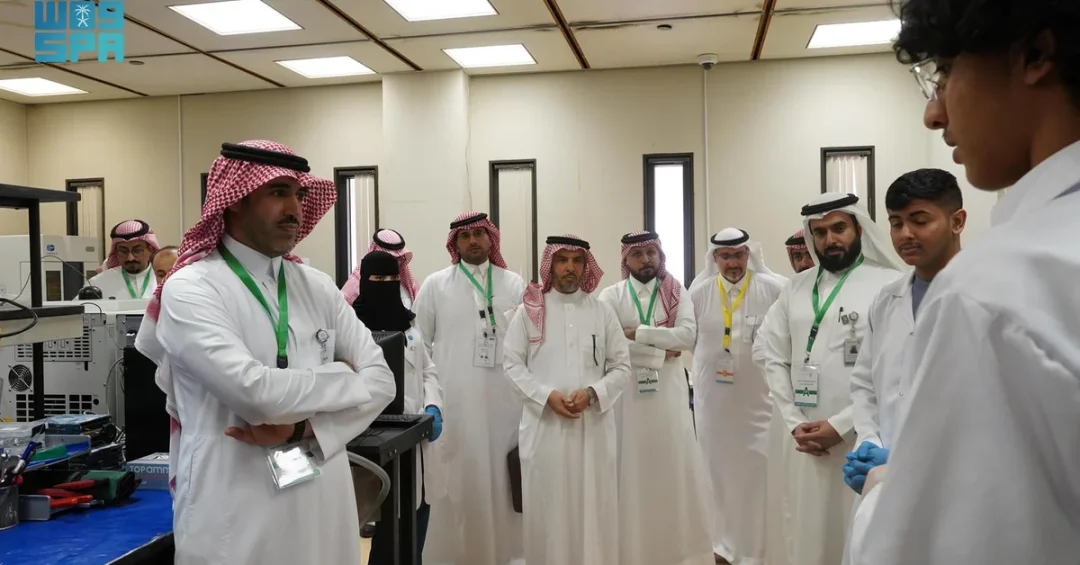
Talented Saudi students have successfully concluded the Mawhiba Research Enrichment Program, a summer research initiative focused on materials science and nanotechnology, hosted at King Saud University in Riyadh. The program, sponsored by the King Abdulaziz and his Companions Foundation for Giftedness and Creativity (Mawhiba), provided promising young minds from grades 9, 10, and 11 with the opportunity to engage in cutting-edge research under the guidance of experienced faculty members.
Context and Background
The Mawhiba Research Enrichment Program is part of Saudi Arabia’s broader efforts to nurture gifted and creative students, aligning with the objectives of Vision 2030 to build a knowledge-based economy. By offering hands-on experience in laboratory techniques, data analysis, and scientific report writing, the program aims to cultivate the next generation of Saudi scientists and innovators. King Saud University, a leading institution in the Kingdom, provides an ideal environment for such enrichment activities, fostering academic excellence and research innovation.
Key Details
During the program, participants explored a diverse range of topics, including soil chemistry, organic fertilizers, carbon dioxide recycling, hydrogen production, lithium batteries, water purification, and waste management. These areas are critical to sustainable development and technological advancement, both within Saudi Arabia and globally. The students gained practical skills and deepened their understanding of scientific inquiry, preparing them for future academic and professional pursuits in STEM fields.
Implications and Impact
This initiative underscores Saudi Arabia’s commitment to investing in human capital and promoting scientific research. By engaging youth in high-level research early on, the Kingdom is fostering a culture of innovation and critical thinking that will drive future economic diversification. The program also highlights the collaborative efforts between educational institutions and foundations like Mawhiba, which play a vital role in identifying and nurturing talent. Such initiatives contribute to Saudi Arabia’s global standing in science and technology, showcasing the Kingdom’s progress in education and research.
Vision 2030 Alignment
The Mawhiba Research Enrichment Program directly supports Vision 2030’s goal of developing a skilled workforce and transitioning to a knowledge-based economy. By empowering young Saudis with advanced research skills, the program helps build a pipeline of innovators who will contribute to the Kingdom’s sustainable development and global competitiveness. As Saudi Arabia continues to invest in education and research, initiatives like this will be instrumental in achieving the ambitious targets of Vision 2030 and securing a prosperous future for the nation.
20 Questions
Q1. What is the Mawhiba Research Enrichment Program?
A1. The Mawhiba Research Enrichment Program is a summer research initiative sponsored by the King Abdulaziz and his Companions Foundation for Giftedness and Creativity (Mawhiba). It offers talented Saudi students from grades 9, 10, and 11 the opportunity to engage in cutting-edge research at King Saud University.
Q2. Which university hosted the program?
A2. King Saud University in Riyadh hosted the Mawhiba Research Enrichment Program. The university is a leading institution in Saudi Arabia, known for its academic excellence and research facilities, providing an ideal environment for young students to explore advanced scientific topics.
Q3. Who sponsored the program?
A3. The program was sponsored by the King Abdulaziz and his Companions Foundation for Giftedness and Creativity (Mawhiba). This foundation is dedicated to identifying and nurturing gifted Saudi youth, aligning with the Kingdom’s Vision 2030 goals of fostering innovation and human capital development.
Q4. What grades were eligible to participate?
A4. Students from grades 9, 10, and 11 were eligible to participate in the program. This age group is considered crucial for nurturing scientific curiosity and skills, preparing students for advanced studies and careers in STEM fields.
Q5. What topics did the students explore?
A5. Participants explored topics such as soil chemistry, organic fertilizers, carbon dioxide recycling, hydrogen production, lithium batteries, water purification, and waste management. These areas are vital for sustainable development and technological innovation.
Q6. What skills did participants gain?
A6. Participants gained hands-on experience in laboratory techniques, data analysis, and scientific report writing. These skills are essential for conducting research and are valuable for future academic and professional pursuits in science and technology.
Q7. Why is this program important for Saudi Arabia?
A7. The program is important as it cultivates the next generation of Saudi scientists and innovators, supporting the Kingdom’s Vision 2030 objectives of building a knowledge-based economy and reducing dependence on oil.
Q8. How does the program align with Vision 2030?
A8. It aligns with Vision 2030 by investing in human capital, promoting scientific research, and fostering a culture of innovation. This helps diversify the economy and enhance Saudi Arabia’s global competitiveness in science and technology.
Q9. Who guided the students during the program?
A9. Experienced faculty members from King Saud University guided the students. Their expertise provided mentorship and ensured that participants received high-quality instruction and support throughout the research activities.
Q10. What is the significance of materials science and nanotechnology?
A10. Materials science and nanotechnology are fields with wide-ranging applications, from medicine to energy. They are critical for technological advancement and sustainable development, making them key areas for Saudi Arabia’s research and innovation agenda.
Q11. How does Mawhiba support gifted students?
A11. Mawhiba supports gifted students by offering enrichment programs, competitions, and scholarships. These initiatives help identify and nurture talent, providing opportunities for advanced learning and skill development essential for the Kingdom’s future.
Q12. What is the duration of the program?
A12. The program is a summer research initiative, typically lasting several weeks. It provides an immersive experience, allowing students to delve deeply into research projects and gain substantial knowledge and practical skills.
Q13. Are there similar programs for other fields?
A13. Yes, Mawhiba and other Saudi organizations offer various enrichment programs in fields such as mathematics, computer science, and engineering. These programs aim to develop diverse talents aligned with national priorities and Vision 2030.
Q14. How does this program impact the students’ future?
A14. The program prepares students for higher education and careers in STEM by providing early exposure to research. It enhances their academic profiles and inspires them to pursue advanced studies and contribute to Saudi Arabia’s innovation ecosystem.
Q15. What is the role of King Saud University in this initiative?
A15. King Saud University provides facilities, faculty, and an academic environment conducive to research. Its collaboration with Mawhiba exemplifies the university’s commitment to community engagement and fostering young talent.
Q16. How can other students apply for such programs?
A16. Students can apply through Mawhiba’s official channels, typically announced via schools and the foundation’s website. Selection is based on academic performance, aptitude, and interest in research, ensuring motivated participants.
Q17. What are the long-term benefits for Saudi Arabia?
A17. Long-term benefits include a skilled workforce, increased research output, and economic diversification. By nurturing young scientists, Saudi Arabia enhances its capacity for innovation and sustainable development, aligning with Vision 2030.
Q18. Did the program include any field trips or practical applications?
A18. The program included hands-on laboratory work and practical applications of scientific concepts. While specific field trips are not mentioned, the emphasis on lab techniques and data analysis provided real-world research experience.
Q19. How does this program compare to international standards?
A19. The program meets international standards by offering advanced research topics and mentorship from experienced faculty. It reflects Saudi Arabia’s commitment to providing world-class educational opportunities for its youth.
Q20. What message does this send about Saudi Arabia’s commitment to education?
A20. It demonstrates Saudi Arabia’s strong commitment to education and human development. By investing in programs like this, the Kingdom signals its dedication to empowering youth and building a knowledge-based society.
Reader Feedback
We value your thoughts. Please share your feedback on this article.
Your feedback helps us improve our coverage.