


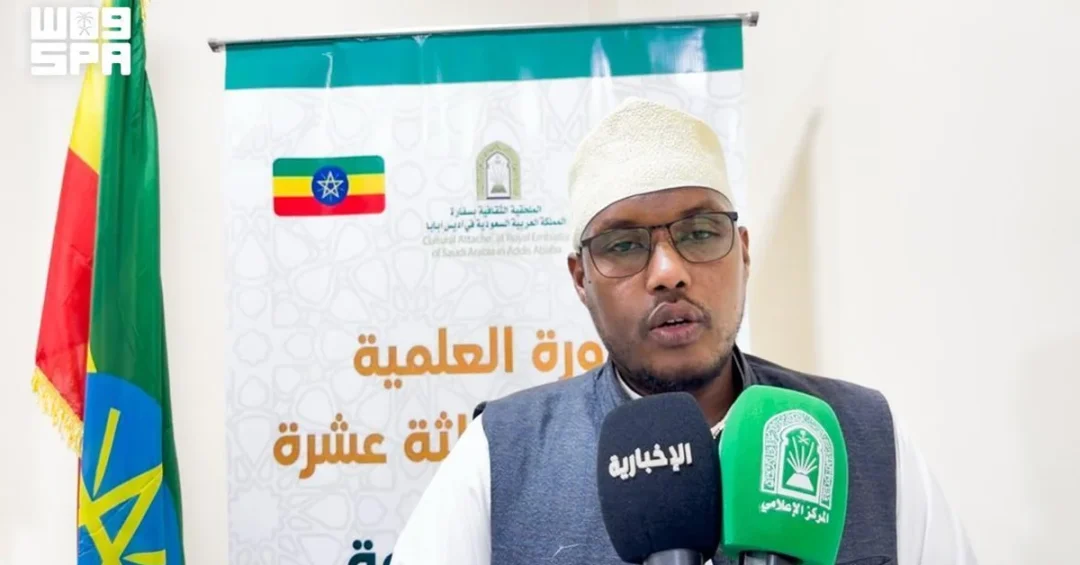
Sheikh Junaid Hamza, Deputy Head of the Ethiopian Islamic Affairs Supreme Council, has publicly praised Saudi Arabia’s efforts to serve Islam and Muslims worldwide, highlighting an educational program that has benefited approximately 200 imams, preachers, and Islamic callers in Ethiopia. The statement, released by the Saudi Press Agency (SPA) on September 19, 2026, underscores the Kingdom’s ongoing commitment to supporting Islamic education and training through the Ministry of Islamic Affairs, Dawah, and Guidance.
Context and Background
Saudi Arabia has long been a global leader in serving Islam and Muslims, with the Ministry of Islamic Affairs, Dawah, and Guidance playing a central role in this mission. The ministry collaborates with Islamic institutions worldwide to promote moderate Islam, correct religious understanding, and enhance the skills of those engaged in Islamic outreach. This partnership with the Ethiopian Islamic Affairs Supreme Council is part of a broader strategy to strengthen Islamic unity and knowledge dissemination, reflecting the Kingdom’s dedication to supporting Muslim communities across the globe.
Ethiopia, home to a significant Muslim population, has been a key partner in these efforts. The joint educational program is designed to qualify imams, preachers, and Islamic callers, ensuring they are equipped with the necessary knowledge and tools to serve their communities effectively. This initiative aligns with Saudi Arabia’s Vision 2030, which emphasizes international cooperation and the promotion of moderate Islamic values.
Key Details
Sheikh Junaid Hamza emphasized that the Kingdom’s contributions have had a far-reaching impact across the Islamic world, including Ethiopia. He specifically noted that around 200 imams, preachers, and Islamic callers have benefited from the educational program offered by the Ministry of Islamic Affairs, Dawah, and Guidance in cooperation with the Ethiopian Islamic Supreme Council. The initiative focuses on promoting the correct Islamic creed and qualifying participants to better serve their communities.
Sheikh Junaid expressed hope that these efforts would continue, highlighting their role in benefiting imams, preachers, Islamic callers, scholars, and the broader Muslim community in Ethiopia. The program is part of joint efforts to enhance the academic and religious qualifications and professional capabilities of those working in the field of Islamic Dawah.
Implications and Impact
The recognition from a senior Ethiopian Islamic leader underscores Saudi Arabia’s positive influence and leadership in the Islamic world. By investing in the training of religious leaders, the Kingdom helps promote moderation, tolerance, and accurate Islamic knowledge, countering extremism and fostering stability. This initiative also strengthens bilateral ties between Saudi Arabia and Ethiopia, enhancing cultural and religious diplomacy.
On a broader scale, such programs contribute to the global fight against radicalization by providing imams and preachers with proper guidance. They also reinforce Saudi Arabia’s role as a custodian of Islamic heritage and a champion of moderate Islam, aligning with the Kingdom’s Vision 2030 goals of global engagement and soft power projection.
Vision 2030 Alignment
This initiative is a clear reflection of Saudi Arabia’s Vision 2030, which seeks to enhance the Kingdom’s global role and promote moderate Islam. By supporting educational programs for imams and preachers abroad, Saudi Arabia demonstrates its commitment to international cooperation and the dissemination of Islamic knowledge. As the Kingdom continues to modernize and open up to the world, such efforts will remain integral to its foreign policy and religious diplomacy, ensuring a lasting positive impact on Muslim communities worldwide.
20 Questions
Q1. Who praised Saudi Arabia’s efforts to disseminate Islamic knowledge?
A1. Sheikh Junaid Hamza, Deputy Head of the Ethiopian Islamic Affairs Supreme Council, praised Saudi Arabia’s efforts and initiatives in serving Islam and Muslims.
Q2. What specific program benefited Ethiopian imams and preachers?
A2. An educational program offered by the Ministry of Islamic Affairs, Dawah, and Guidance in cooperation with the Ethiopian Islamic Supreme Council benefited approximately 200 imams, preachers, and Islamic callers.
Q3. When was this statement released?
A3. The statement was released on September 19, 2026, according to the Saudi Press Agency.
Q4. What is the role of the Ministry of Islamic Affairs, Dawah, and Guidance?
A4. The ministry oversees Islamic affairs, promotes moderate Islam, and provides educational programs to qualify imams, preachers, and Islamic callers globally.
Q5. How many imams benefited from the program in Ethiopia?
A5. Approximately 200 imams, preachers, and Islamic callers in Ethiopia have benefited from the educational program.
Q6. What does the educational program focus on?
A6. The program focuses on promoting the correct Islamic creed and qualifying imams, preachers, and Islamic callers to better serve their communities.
Q7. Why is this initiative important for Ethiopia?
A7. It enhances the academic and religious qualifications of Ethiopian imams and preachers, enabling them to serve their communities effectively and promote moderate Islam.
Q8. How does this align with Saudi Arabia’s Vision 2030?
A8. It aligns with Vision 2030 by promoting international cooperation, moderate Islam, and enhancing the Kingdom’s global role in serving Muslims.
Q9. What did Sheikh Junaid hope for regarding these efforts?
A9. He expressed hope that these efforts and initiatives would continue, noting their role in benefiting imams, preachers, scholars, and the Muslim community in Ethiopia.
Q10. What is the significance of Saudi Arabia’s role in training imams?
A10. It helps promote moderation, tolerance, and accurate Islamic knowledge, countering extremism and fostering stability in Muslim communities worldwide.
Q11. How does this initiative affect Saudi-Ethiopian relations?
A11. It strengthens bilateral ties through cultural and religious diplomacy, enhancing mutual cooperation and understanding between the two nations.
Q12. What is the Ethiopian Islamic Affairs Supreme Council?
A12. It is a leading Islamic institution in Ethiopia that oversees Islamic affairs and collaborates with Saudi Arabia on educational programs for imams and preachers.
Q13. What are the broader implications for the Islamic world?
A13. The initiative reinforces Saudi Arabia’s leadership in promoting moderate Islam and supports global efforts against radicalization by providing proper religious guidance.
Q14. Who else benefits from Saudi Arabia’s Islamic education programs?
A14. Imams, preachers, Islamic callers, scholars, and the broader Muslim community in various countries benefit from these programs.
Q15. What is the source of this information?
A15. The information was released by the Saudi Press Agency (SPA), the official news agency of Saudi Arabia.
Q16. How does this reflect Saudi Arabia’s commitment to Islam?
A16. It demonstrates the Kingdom’s dedication to serving Islam and Muslims by investing in religious education and supporting communities globally.
Q17. What is the goal of qualifying imams and preachers?
A17. The goal is to enhance their academic and religious qualifications, enabling them to spread correct Islamic teachings and serve their communities effectively.
Q18. How does this initiative counter extremism?
A18. By providing imams and preachers with proper training and knowledge, it promotes moderate Islam and prevents the spread of extremist ideologies.
Q19. What other initiatives does Saudi Arabia undertake for global Muslims?
A19. Saudi Arabia supports various educational, humanitarian, and religious programs worldwide, including scholarships, mosque construction, and Quran distribution.
Q20. What is the expected future of such cooperation?
A20. Such cooperation is expected to continue and expand, further strengthening Islamic unity and the dissemination of moderate Islamic knowledge globally.
Reader Feedback
We value your thoughts. Please share your feedback on this article.
Your feedback helps us improve our coverage.