


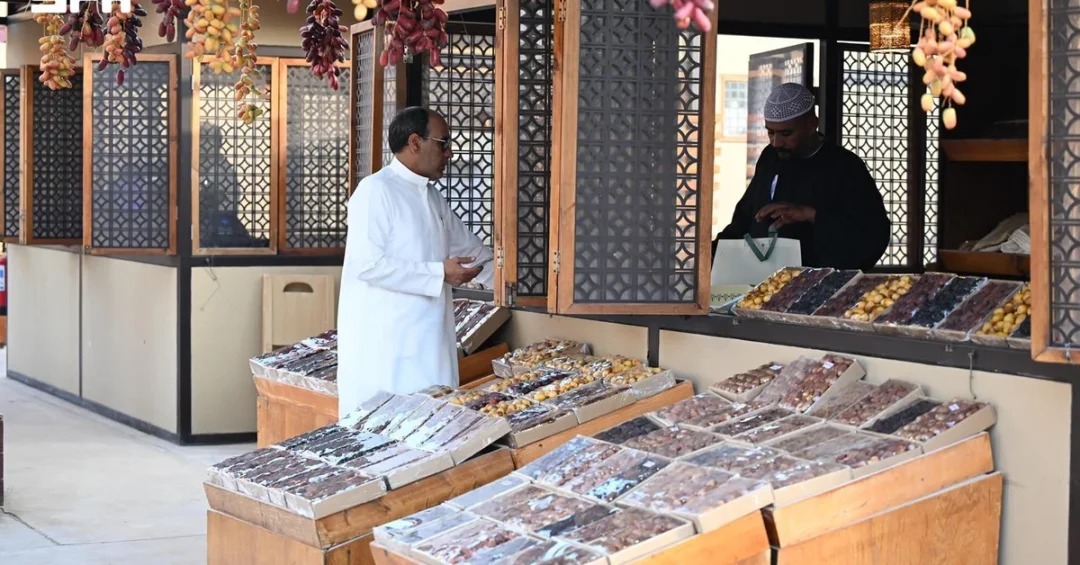
The Al-Manshiyah Farmers Market, a key component of the AlUla Date Season, opened on September 18, 2026, providing a vital economic platform for farmers and cottage industry families to showcase their crops and products to visitors. Running until September 27, the market connects producers directly with consumers, highlighting the agricultural diversity of AlUla and creating new marketing channels for local produce. Organized under the umbrella of the Royal Commission for AlUla’s “Khayrat AlUla” initiative, the event underscores Saudi Arabia’s commitment to agricultural development and economic diversification in line with Vision 2030.
Context and Background
The AlUla Date Season is part of a broader effort to promote the region’s agricultural heritage and economic potential. The “Khayrat AlUla” initiative, launched by the Royal Commission for AlUla, serves as an umbrella for various agricultural seasons and events, including the summer fruit season, AlUla date auction, and seasons for citrus, Peregrina, and honey. This initiative reflects the diversity of agricultural production and seasonal harvests throughout the year, positioning AlUla as a hub for high-quality agricultural products.
AlUla’s agricultural base is substantial, comprising more than 4.2 million palm trees and producing approximately 130,000 tons of dates annually, with cultivated areas spanning over 20,500 hectares. This robust infrastructure supports the livelihoods of thousands of farmers and contributes significantly to the local and national economy.
Key Details
The Al-Manshiyah Farmers Market welcomes visitors from September 18 to 27, offering farmers a direct outlet to display and sell their crops. It also features families engaged in cottage industries, presenting a variety of goods that connect producers with consumers. This direct interaction enhances the visibility of local products and provides immediate feedback to producers.
As part of the season’s economic activities, the AlUla date auction at Al-Fursan Village continues on weekends through November 15. The auction receives local date varieties from farmers, providing broader marketing opportunities and facilitating access to buyers and retailers. This extended timeline allows for sustained economic engagement and maximizes the reach of AlUla’s date producers.
Efforts to develop the agricultural sector and enhance production quality are ongoing. More than 7,100 farmers have benefited from extension, technical, and veterinary services. In addition, 500 farms have obtained the “Saudi Dates” quality mark certification, while more than 1.5 million palm trees have been registered in a smart tracking system using QR codes. These measures ensure product authenticity and quality, boosting consumer confidence and market competitiveness.
Date sales indicators point to growing marketing activity. The volume sold during the 2025 season reached approximately 2.25 million kilograms, generating total sales of SAR13.19 million, compared with 1.7 million kilograms valued at SAR8.8 million during the 2024 season. This represents a 48.7% increase in sales value, demonstrating the rising demand for AlUla dates in both domestic and international markets.
Implications and Impact
The success of the AlUla Date Season has significant implications for the region and beyond. It strengthens the local economy by providing farmers with direct access to markets, reducing reliance on intermediaries and increasing profit margins. The market also empowers cottage industry families, particularly women and youth, by offering them a platform to showcase their skills and products.
On a broader scale, the growing international demand for AlUla dates enhances Saudi Arabia’s agricultural exports and reinforces the Kingdom’s reputation for high-quality products. The integration of smart tracking systems and quality certifications positions Saudi dates as premium goods in global markets, opening new avenues for trade and cooperation.
Furthermore, the AlUla Date Season supports cultural tourism, attracting visitors who are interested in authentic local experiences. This aligns with Saudi Arabia’s Vision 2030 goals of diversifying the economy, promoting sustainable development, and enhancing the quality of life for citizens and residents.
Vision 2030 Alignment
The AlUla Date Season and the “Khayrat AlUla” initiative exemplify Saudi Arabia’s strategic vision to diversify its economy beyond oil, empower local communities, and preserve cultural heritage. By investing in agricultural innovation, quality assurance, and market expansion, the Kingdom is creating sustainable economic opportunities and fostering a vibrant, diversified economy. These efforts not only boost local livelihoods but also contribute to Saudi Arabia’s global standing as a leader in agricultural excellence and cultural tourism, in direct alignment with Vision 2030’s objectives of economic prosperity and international engagement.
20 Questions
Q1. What is the Al-Manshiyah Farmers Market?
A1. The Al-Manshiyah Farmers Market is a key event during the AlUla Date Season, providing farmers and cottage industry families a platform to showcase and sell their crops and products to visitors from September 18 to 27.
Q2. Where is the Al-Manshiyah Farmers Market held?
A2. The market is held in AlUla, a governorate in northwestern Saudi Arabia, as part of the AlUla Date Season, under the Royal Commission for AlUla’s “Khayrat AlUla” initiative.
Q3. When does the Al-Manshiyah Farmers Market take place?
A3. The market runs from September 18 to 27, 2026, offering farmers a dedicated period to display and sell their crops and products directly to consumers and visitors.
Q4. What is the AlUla Date Season?
A4. The AlUla Date Season is an annual event celebrating the date harvest, featuring markets, auctions, and activities that promote local date varieties and support the agricultural community in AlUla.
Q5. What is the “Khayrat AlUla” initiative?
A5. “Khayrat AlUla” is an initiative launched by the Royal Commission for AlUla that serves as an umbrella for the governorate’s agricultural seasons and events, including date, fruit, citrus, Peregrina, and honey seasons.
Q6. How many palm trees are in AlUla?
A6. AlUla boasts more than 4.2 million palm trees, producing approximately 130,000 tons of dates annually across cultivated areas spanning over 20,500 hectares.
Q7. What is the annual date production in AlUla?
A7. AlUla produces approximately 130,000 tons of dates annually, reflecting its status as a major date-producing region in Saudi Arabia with a rich agricultural heritage.
Q8. How many farmers benefit from agricultural services in AlUla?
A8. More than 7,100 farmers benefit from extension, technical, and veterinary services, which help improve production quality and support sustainable agricultural practices in the region.
Q9. What is the “Saudi Dates” quality mark?
A9. The “Saudi Dates” quality mark is a certification awarded to farms that meet specific quality standards, ensuring product excellence and authenticity. More than 500 farms in AlUla have obtained this certification.
Q10. How many palm trees are registered in the smart tracking system?
A10. More than 1.5 million palm trees have been registered in a smart tracking system using QR codes, which enhances traceability and quality assurance for AlUla dates.
Q11. What was the date sales volume in the 2025 season?
A11. The volume sold during the 2025 season reached approximately 2.25 million kilograms, generating total sales of SAR13.19 million, representing a 48.7% increase in sales value compared to 2024.
Q12. How much did date sales increase from 2024 to 2025?
A12. Date sales increased by 48.7% in value, from SAR8.8 million in 2024 to SAR13.19 million in 2025, with volume rising from 1.7 million kilograms to 2.25 million kilograms.
Q13. What is the AlUla date auction?
A13. The AlUla date auction is held at Al-Fursan Village on weekends through November 15, receiving local date varieties from farmers and providing broader marketing opportunities and access to buyers and retailers.
Q14. How long does the AlUla date auction run?
A14. The auction continues on weekends through November 15, extending the marketing season for local date producers and facilitating sustained economic activity beyond the farmers market.
Q15. What types of products are available at the market?
A15. The market features a variety of crops and products from farmers and cottage industry families, including dates, fruits, honey, and handmade goods, showcasing the diversity of AlUla’s agricultural output.
Q16. How does the market support the local community?
A16. The market supports the local community by providing farmers and families with direct access to consumers, increasing income opportunities, and promoting local products to a wider audience, including tourists.
Q17. What are the international market prospects for AlUla dates?
A17. AlUla dates have successfully reached various international markets, and with growing demand and quality certifications, they are well-positioned to expand their global footprint, boosting Saudi agricultural exports.
Q18. How does the AlUla Date Season align with Vision 2030?
A18. The season aligns with Vision 2030 by diversifying the economy, empowering local communities, promoting sustainable agriculture, and enhancing cultural tourism, all of which contribute to Saudi Arabia’s long-term prosperity.
Q19. What role does the Royal Commission for AlUla play?
A19. The Royal Commission for AlUla oversees the development and promotion of AlUla’s agricultural and cultural heritage, including the “Khayrat AlUla” initiative, to drive economic growth and community development.
Q20. How can visitors participate in the AlUla Date Season?
A20. Visitors can attend the Al-Manshiyah Farmers Market from September 18 to 27, participate in the date auction on weekends through November 15, and explore other seasonal events under the “Khayrat AlUla” initiative.
Reader Feedback
We value your thoughts. Please share your feedback on this article.
Your feedback helps us improve our coverage.