


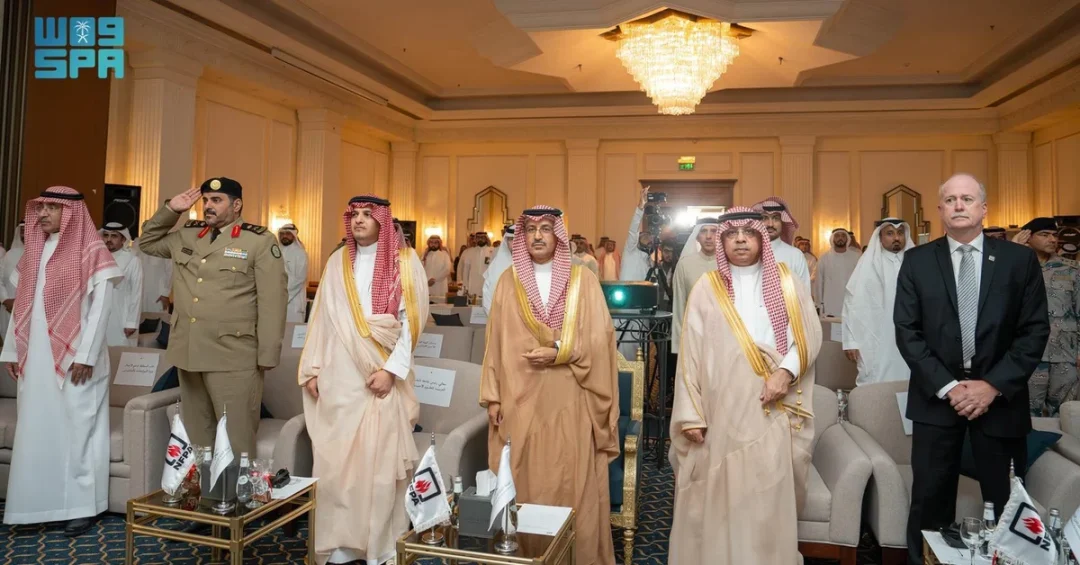
The High Commission for Industrial Security (HCIS) has sponsored the opening ceremony of the Middle East and North Africa (MENA) regional office of the American National Fire Protection Association (NFPA) in Riyadh. The event, held on August 2, 2024, was attended by Eng. Aali bin Mohammed Al-Zahrani, Governor of HCIS, along with a number of officials. This inauguration marks a significant milestone in the deep-rooted partnership between HCIS and NFPA, aimed at advancing fire safety and protection across the region.
Context and Background
The National Fire Protection Association (NFPA), founded in 1896, is a global nonprofit organization dedicated to reducing the worldwide burden of fire and other hazards by providing consensus codes and standards, research, training, and education. The establishment of its MENA regional office in Riyadh reflects the Kingdom’s growing role as a hub for international collaboration in safety and security. The High Commission for Industrial Security (HCIS), a Saudi government agency responsible for overseeing industrial security and safety, has been a key partner in bringing NFPA’s expertise to the region. This partnership aligns with Saudi Arabia’s broader efforts to enhance industrial safety standards and protect critical infrastructure.
Key Details
The opening ceremony was held under the patronage of HCIS and attended by Eng. Aali bin Mohammed Al-Zahrani, who highlighted the importance of the collaboration. The new office will focus on developing the fire safety and protection sector through several initiatives, including the issuance of accredited professional certificates, strengthening strategic partnerships, and developing national technical standards and specifications. These efforts are designed to raise awareness, exchange knowledge, and develop human capabilities in this vital field. The NFPA MENA office will serve as a regional center for training, certification, and standards development, benefiting not only Saudi Arabia but also other countries in the Middle East and North Africa.
Implications and Impact
The establishment of the NFPA MENA office in Riyadh is expected to have far-reaching implications for industrial safety across the region. By adopting and localizing NFPA standards, Saudi Arabia aims to enhance the safety of its rapidly growing industrial and energy sectors, reducing risks and protecting lives and property. This move also positions the Kingdom as a leader in safety standards, potentially influencing other nations in the region to follow suit. Furthermore, the office will facilitate knowledge transfer and capacity building, helping to create a skilled workforce capable of implementing best practices in fire protection and industrial security. International companies operating in the region will benefit from having a local point of contact for NFPA resources and certifications.
Vision 2030 Alignment
This initiative strongly aligns with Saudi Vision 2030, which seeks to diversify the economy, develop human capital, and enhance the quality of life. By investing in industrial safety and security, the Kingdom is not only protecting its economic assets but also fostering a safer environment for citizens and residents. The collaboration with NFPA supports the Vision’s goals of creating a competitive economy, promoting innovation, and building strategic international partnerships. As Saudi Arabia continues to industrialize and attract foreign investment, robust safety standards will be crucial to sustainable development. The NFPA regional office will play a pivotal role in this journey, ensuring that safety remains a cornerstone of the Kingdom’s growth.
20 Questions
Q1. What is the High Commission for Industrial Security?
A1. The High Commission for Industrial Security is a Saudi government agency responsible for overseeing industrial security and safety, ensuring the protection of critical infrastructure and promoting best practices in the Kingdom.
Q2. What is the National Fire Protection Association?
A2. The National Fire Protection Association is a United States-based global nonprofit organization that develops codes and standards, research, training, and education to reduce fire and other hazards worldwide.
Q3. Where is the new NFPA regional office located?
A3. The new NFPA regional office is located in Riyadh, Saudi Arabia, and will serve the Middle East and North Africa region.
Q4. Who attended the opening ceremony?
A4. The opening ceremony was attended by Eng. Aali bin Mohammed Al-Zahrani, Governor of HCIS, and a number of other officials.
Q5. What is the purpose of the NFPA MENA office?
A5. The office aims to develop the fire safety and protection sector, raise awareness, exchange knowledge, and develop human capabilities through training, certification, and standards development.
Q6. How will the office contribute to fire safety?
A6. It will issue accredited professional certificates, strengthen strategic partnerships, and develop national technical standards and specifications in the fire safety sector.
Q7. What does HCIS stand for?
A7. HCIS stands for the High Commission for Industrial Security, a Saudi agency focused on industrial security and safety.
Q8. What does NFPA stand for?
A8. NFPA stands for the National Fire Protection Association, a global organization dedicated to fire safety.
Q9. When was the NFPA founded?
A9. The NFPA was founded in 1896 and has since become a leading authority on fire, electrical, and building safety.
Q10. Why is this office important for Saudi Arabia?
A10. It enhances industrial safety standards, supports economic diversification, and aligns with Vision 2030 by protecting assets and fostering a safe environment.
Q11. How does this partnership benefit the MENA region?
A11. It provides access to globally recognized safety standards, training, and certifications, helping countries in the region improve their fire protection practices.
Q12. What are accredited professional certificates?
A12. These are certifications issued by NFPA that recognize individuals who have met specific competency standards in fire protection and safety.
Q13. What role does HCIS play in this partnership?
A13. HCIS sponsors and facilitates the collaboration, ensuring that the office’s activities align with Saudi Arabia’s industrial security goals and regulations.
Q14. Will the office offer training programs?
A14. Yes, the office will offer training programs and certifications to develop human capabilities in fire safety and protection.
Q15. How does this align with Vision 2030?
A15. It supports Vision 2030 by promoting safety, developing human capital, and attracting international partnerships, contributing to a diversified and sustainable economy.
Q16. What are national technical standards and specifications?
A16. These are guidelines and requirements developed to ensure safety and consistency in fire protection systems and practices within Saudi Arabia.
Q17. Who will benefit from the office’s services?
A17. Industries, government agencies, safety professionals, and the public across Saudi Arabia and the MENA region will benefit from improved safety standards and training.
Q18. Is this the first NFPA office in the region?
A18. Yes, this is the first NFPA regional office in the Middle East and North Africa, marking a significant expansion of NFPA’s global presence.
Q19. How can companies get involved with the NFPA MENA office?
A19. Companies can contact the office for information on certifications, training, and standards development, or to explore partnership opportunities.
Q20. What is the expected impact on industrial security?
A20. The office is expected to raise safety standards, reduce fire risks, and enhance the protection of industrial facilities, thereby supporting economic growth and stability.
Reader Feedback
We value your thoughts. Please share your feedback on this article.
Your feedback helps us improve our coverage.