


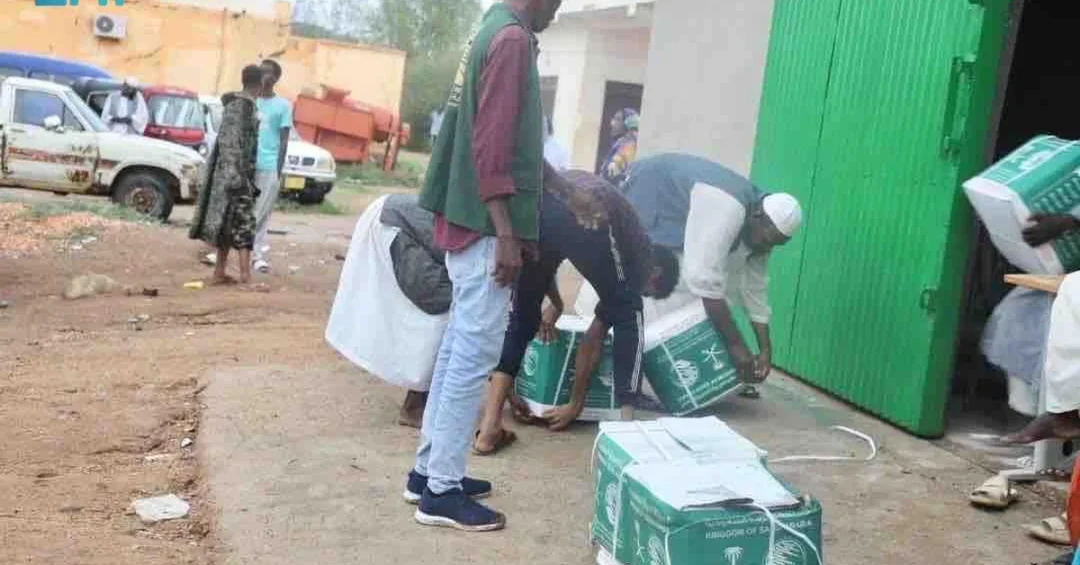
The King Salman Humanitarian Aid and Relief Center (KSrelief) has distributed 930 food baskets in Gedaref State, Sudan, benefiting 4,420 individuals as part of the second phase of its food security support project for 2024. The aid, delivered on August 2, underscores Saudi Arabia’s ongoing commitment to alleviating humanitarian crises worldwide through its official relief agency.
Context and Background
Sudan has faced a prolonged humanitarian crisis exacerbated by conflict, displacement, and economic instability. In response, the Kingdom of Saudi Arabia, through KSrelief, has consistently provided vital assistance to affected populations. The food security support project in Sudan is a key initiative aimed at combating hunger and malnutrition among the most vulnerable groups, including displaced families and host communities. This latest distribution in Gedaref State is part of the project’s second phase, which continues to address critical food needs across the country.
Key Details
The distribution, carried out on August 2, targeted 930 food baskets, each designed to sustain a family for a specified period. The baskets contained essential staples such as rice, flour, oil, and sugar, providing a comprehensive nutritional boost. According to KSrelief, the aid reached 4,420 individuals, reflecting the agency’s meticulous needs assessment and equitable distribution mechanisms. This operation is part of a broader effort that includes similar activities in other Sudanese states, ensuring wide-reaching impact. KSrelief’s work in Sudan is guided by its mandate to deliver emergency relief and support recovery in crisis-affected regions, in line with international humanitarian principles.
Implications and Impact
The distribution of food baskets in Gedaref State has immediate and far-reaching implications. In the short term, it mitigates food insecurity for thousands, preventing malnutrition and allowing families to focus on rebuilding their lives. In the long term, such assistance contributes to stability and resilience, reducing the need for negative coping mechanisms. Regionally, Saudi Arabia’s humanitarian leadership reinforces its role as a key player in addressing crises in the Arab and Islamic world and beyond. The operation also strengthens ties between Saudi Arabia and Sudan, demonstrating solidarity during challenging times. International observers have praised KSrelief for its efficient and transparent delivery of aid, which aligns with global humanitarian standards.
Vision 2030 Alignment
This initiative reflects the Kingdom’s Vision 2030 goal of enhancing its global humanitarian role and promoting sustainable development. By supporting food security in Sudan, Saudi Arabia not only saves lives but also contributes to long-term stability, which is essential for economic growth and prosperity. KSrelief’s efforts embody the values of generosity and compassion that are central to Saudi society, and they showcase the Kingdom’s commitment to international cooperation. As Saudi Arabia continues to expand its humanitarian footprint, such projects demonstrate how Vision 2030 translates into tangible benefits for people in need around the world, reinforcing the Kingdom’s position as a responsible global leader.
20 Questions
Q1. What did KSrelief distribute in Sudan?
A1. KSrelief distributed 930 food baskets in Gedaref State, Sudan, benefiting 4,420 individuals. This aid is part of the second phase of the food security support project for 2024.
Q2. When was the distribution carried out?
A2. The distribution was carried out on August 2, 2024, according to the Saudi Press Agency. It followed a needs assessment to identify the most vulnerable families in Gedaref State.
Q3. Which organization implemented this aid?
A3. The King Salman Humanitarian Aid and Relief Center (KSrelief) implemented the aid. It is the official humanitarian arm of Saudi Arabia, responsible for delivering relief worldwide.
Q4. How many people benefited from the food baskets?
A4. A total of 4,420 individuals benefited from the 930 food baskets. This figure includes displaced persons and host communities in Gedaref State.
Q5. What is the second phase of the food security support project?
A5. The second phase is a continuation of KSrelief’s efforts to combat food insecurity in Sudan. It aims to provide essential food items to vulnerable populations across multiple states.
Q6. Why is Gedaref State significant in this context?
A6. Gedaref State hosts a large number of displaced families due to conflict and environmental challenges. It is a priority area for humanitarian assistance in Sudan.
Q7. What items were included in the food baskets?
A7. The baskets contained staple foods such as rice, flour, oil, and sugar. These items are designed to meet basic nutritional needs for a family for a certain period.
Q8. How does this aid align with Saudi Arabia’s humanitarian goals?
A8. It reflects Saudi Arabia’s commitment to alleviating suffering and supporting countries in need. KSrelief operates under principles of neutrality, impartiality, and humanity.
Q9. What is KSrelief’s role in global humanitarian efforts?
A9. KSrelief provides emergency relief, food security, health care, and education in crisis-affected countries. It is recognized for its rapid response and transparent operations.
Q10. How does this project contribute to Sudan’s stability?
A10. By addressing immediate food needs, the project helps prevent instability and displacement. It supports recovery and resilience among affected communities.
Q11. What other countries does KSrelief assist?
A11. KSrelief assists numerous countries worldwide, including Yemen, Syria, Somalia, and Bangladesh. Its operations span Africa, Asia, and the Middle East.
Q12. How does Saudi Arabia fund KSrelief’s activities?
A12. KSrelief is funded by the Saudi government and through donations from individuals and organizations. It operates with full transparency and oversight.
Q13. What is the significance of the second phase?
A13. The second phase scales up assistance to meet ongoing needs. It builds on the success of the first phase and expands reach to more beneficiaries.
Q14. How are beneficiaries selected for aid?
A14. Beneficiaries are selected based on needs assessments conducted by KSrelief in coordination with local authorities. Priority is given to the most vulnerable.
Q15. What impact does this aid have on food security?
A15. It directly improves food access for thousands, reducing hunger and malnutrition. It also supports local markets by injecting resources into the economy.
Q16. How does this project reflect Vision 2030?
A16. It showcases Saudi Arabia’s global humanitarian role, a key pillar of Vision 2030. The Kingdom aims to be a leader in sustainable development and aid.
Q17. What challenges does aid distribution face in Sudan?
A17. Challenges include logistical constraints and security concerns. KSrelief coordinates with partners to ensure safe and timely delivery.
Q18. How does KSrelief ensure aid reaches those in need?
A18. KSrelief uses rigorous monitoring and evaluation systems. It works with local partners and uses technology to track distributions.
Q19. What is the expected outcome of this distribution?
A19. The distribution will alleviate immediate hunger and provide relief to affected families. It contributes to broader recovery and stability efforts.
Q20. How can other nations support similar efforts?
A20. Nations can contribute through funding, logistics, or partnerships with organizations like KSrelief. Collaborative efforts amplify impact and reach more people.
Reader Feedback
We value your thoughts. Please share your feedback on this article.
Your feedback helps us improve our coverage.