


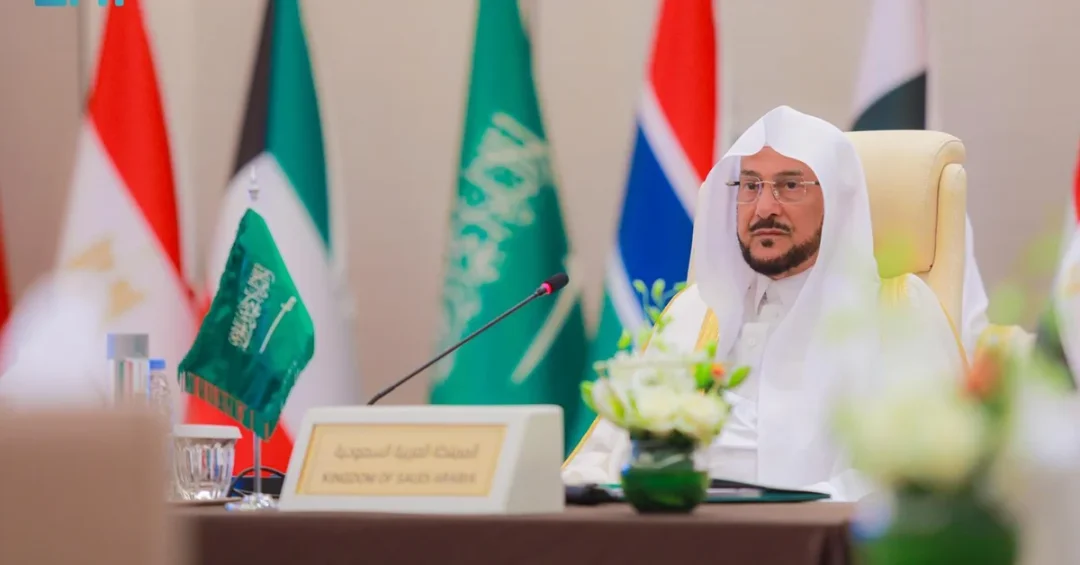
Saudi Minister of Islamic Affairs, Dawah and Guidance Sheikh Dr. Abdullatif bin Abdulaziz Al Al-Sheikh chaired the 14th Executive Council meeting of the Conference of Awqaf and Islamic Affairs Ministers in the Islamic World in Makkah on August 3, 2024. The meeting, held under the patronage of Custodian of the Two Holy Mosques King Salman bin Abdulaziz Al Saud, brought together ministers of Awqaf and Islamic affairs, muftis, and heads of Islamic councils and associations from 62 countries to discuss the agenda for the upcoming ninth conference and enhance cooperation among member states.
Context and Background
The Conference of Awqaf and Islamic Affairs Ministers in the Islamic World is a key platform for fostering dialogue and collaboration among Islamic nations. Organized by the Saudi Ministry of Islamic Affairs, Dawah and Guidance, the conference aims to address contemporary challenges facing the Islamic world and promote moderate Islamic values. The Executive Council, comprising eight member countries—Saudi Arabia, Jordan, Indonesia, Pakistan, Gambia, Kuwait, Egypt, and Morocco—oversees the implementation of conference resolutions and prepares agendas for future gatherings.
Key Details
During the meeting, the agenda for the upcoming ninth conference was unanimously approved. Discussions focused on the General Secretariat’s proposal for the next conference and the working mechanism of the council. It was decided that the 15th session of the Executive Council will be held in the Kingdom of Morocco, following an invitation from Moroccan Minister of Endowments and Islamic Affairs Ahmed Toufiq. The council also considered suggestions for the theme of the 14th conference, tailored to address the evolving needs of ministries of Awqaf and Islamic Affairs amid developments in the Islamic world. Proposals for increasing the council’s operational framework were reviewed to improve its efficacy.
Implications and Impact
This meeting underscores Saudi Arabia’s leadership in promoting Islamic solidarity and addressing shared challenges. By hosting the conference in Makkah, the Kingdom reinforces its role as a facilitator of dialogue and cooperation among Islamic nations. The decision to hold the next Executive Council session in Morocco highlights the collaborative spirit and rotational leadership that strengthens the conference’s mission. The outcomes of this meeting will shape the agenda of the ninth conference, ensuring that it addresses the pressing issues faced by member states and enhances the effectiveness of Awqaf ministries.
Vision 2030 Alignment
Saudi Arabia’s Vision 2030 emphasizes the importance of international cooperation and the promotion of moderate Islam. The conference aligns with these goals by fostering unity and understanding among Islamic countries, reflecting the Kingdom’s commitment to global engagement and religious diplomacy. As the host and chair, Saudi Arabia demonstrates its dedication to supporting Islamic institutions and advancing the principles of tolerance and moderation, which are central to Vision 2030’s objectives.
20 Questions
Q1. What was the main purpose of the 14th Executive Council meeting?
A1. The meeting aimed to review and approve the agenda for the upcoming ninth conference of the Conference of Awqaf and Islamic Affairs Ministers, and to discuss operational improvements for the council.
Q2. Who chaired the 14th Executive Council meeting?
A2. The meeting was chaired by Saudi Minister of Islamic Affairs, Dawah and Guidance Sheikh Dr. Abdullatif bin Abdulaziz Al Al-Sheikh, who also serves as Executive President of the Conference.
Q3. Where and when did the meeting take place?
A3. The meeting took place in Makkah, Saudi Arabia, on August 3, 2024, and was held over two days starting the following day.
Q4. How many countries participated in the conference?
A4. Ministers, muftis, and heads of Islamic councils from 62 countries participated in the conference, demonstrating broad international engagement.
Q5. What is the Executive Council’s role?
A5. The Executive Council oversees the execution of general conference resolutions, issues pertinent decisions and recommendations, and devises conference agendas, reports, and preparatory tasks.
Q6. Which countries are members of the Executive Council?
A6. The eight member countries are Saudi Arabia, Jordan, Indonesia, Pakistan, Gambia, Kuwait, Egypt, and Morocco.
Q7. What decision was made regarding the next Executive Council session?
A7. It was decided that the 15th session will be held in the Kingdom of Morocco, following an invitation extended by Moroccan Minister of Endowments and Islamic Affairs Ahmed Toufiq.
Q8. What was discussed regarding the working mechanism of the council?
A8. The council considered its working mechanism and reviewed suggestions to improve its operational framework, submitted by member states to enhance efficacy.
Q9. What theme was proposed for the 14th conference?
A9. The theme was tailored to address the evolving needs of ministries of Awqaf and Islamic Affairs in view of developments in the Islamic world, though specific details were not disclosed.
Q10. Who organized the conference?
A10. The conference was organized by the Saudi Ministry of Islamic Affairs, Dawah and Guidance, under the patronage of Custodian of the Two Holy Mosques King Salman bin Abdulaziz Al Saud.
Q11. What is the significance of holding the meeting in Makkah?
A11. Makkah is the holiest city in Islam, and hosting the meeting there underscores Saudi Arabia’s commitment to serving Islamic causes and facilitating dialogue among Muslim nations.
Q12. How does this conference align with Saudi Vision 2030?
A12. It aligns with Vision 2030 by promoting international cooperation and moderate Islam, reflecting the Kingdom’s dedication to global engagement and religious diplomacy.
Q13. What was the outcome of the agenda review for the ninth conference?
A13. The agenda for the upcoming ninth conference was unanimously approved by the Executive Council during the meeting.
Q14. What proposals were discussed for improving the council’s efficacy?
A14. Proposals for increased council operational framework were discussed, submitted by member states to enhance the council’s effectiveness in fulfilling its mandate.
Q15. Who extended the invitation to host the 15th session in Morocco?
A15. Moroccan Minister of Endowments and Islamic Affairs Ahmed Toufiq extended the invitation to host the 15th session of the Executive Council in Morocco.
Q16. How many days did the conference last?
A16. The conference took place over two days, starting on August 4, 2024, following the Executive Council meeting on August 3.
Q17. What is the role of the General Secretariat in the conference?
A17. The General Secretariat proposed the agenda for the next conference and plays a key role in preparing and coordinating the conference’s activities and resolutions.
Q18. What are the key objectives of the Conference of Awqaf and Islamic Affairs Ministers?
A18. The conference aims to foster cooperation among Islamic nations, address contemporary challenges, and promote moderate Islamic values and principles.
Q19. How does the Executive Council ensure follow-up on conference decisions?
A19. The Executive Council oversees the execution of resolutions, issues decisions and recommendations, and prepares agendas and reports for subsequent conferences.
Q20. What is the expected impact of the 14th Executive Council meeting?
A20. The meeting sets the stage for the ninth conference, ensuring it addresses the evolving needs of member states and strengthens the collective efforts of Awqaf ministries across the Islamic world.
Reader Feedback
We value your thoughts. Please share your feedback on this article.
Your feedback helps us improve our coverage.