


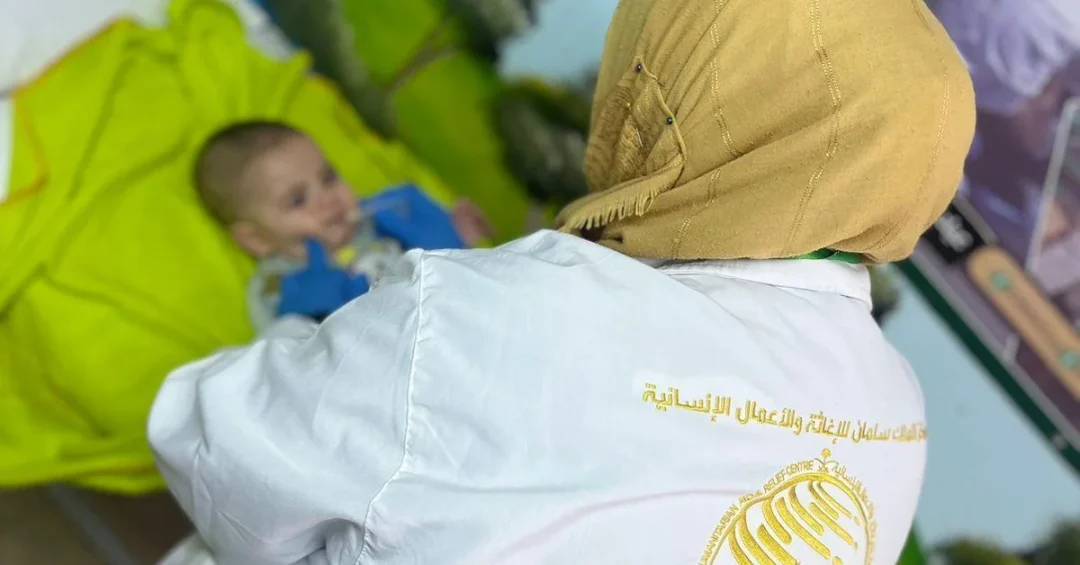
The King Salman Humanitarian Aid and Relief Center (KSrelief) provided medical services to 2,292 patients in the Zaatari camp for Syrian refugees in Jordan during the first week of August 2024, according to the Saudi Press Agency (SPA). The initiative reflects Saudi Arabia’s ongoing commitment to alleviating the suffering of refugees and supporting international humanitarian efforts, in line with its leadership’s directives.
Context and Background
KSrelief, established in 2015 under the guidance of the Custodian of the Two Holy Mosques, King Salman bin Abdulaziz Al Saud, is a leading humanitarian organization that provides aid to millions of people in need around the world. Its operations in the Zaatari camp, which hosts thousands of Syrian refugees, are part of Saudi Arabia’s broader efforts to support Syrian refugees and alleviate their suffering. The camp, located in northern Jordan near the Syrian border, is one of the largest refugee camps in the world and has been a focal point for international humanitarian assistance since its establishment in 2012.
Key Details
During the first week of August, KSrelief’s clinics in Zaatari camp delivered a wide range of medical services. The general medicine clinics examined and dispensed medications to 380 patients, while the pediatric clinic attended to 287 children. The emergency department received 279 patients, and 197 women visited the gynecology clinic. The dental clinic attended to 156 patients. The internal medicine clinic examined 115 patients suffering from diabetes, hypertension, and asthma, and the ear, nose, and throat clinic treated 51 patients with sinus, pharynx, tonsil, and middle ear infections. The eye clinic attended to 33 patients, and the cardiology clinic saw 22 patients. In addition, 666 laboratory tests were conducted on 290 patients, and 136 x-rays were performed for 93 patients. The vaccination clinic administered 93 doses to 36 patients, and medications for chronic diseases were provided to 306 patients. The health education department provided guidance to 47 beneficiaries, and the pharmacy handled 1,378 prescriptions.
Implications and Impact
The provision of these medical services has a significant impact on the health and well-being of Syrian refugees in the Zaatari camp. By addressing both acute and chronic health conditions, KSrelief is helping to reduce suffering and improve the quality of life for thousands of individuals. This initiative also underscores Saudi Arabia’s role as a global humanitarian leader and its commitment to supporting refugees and displaced persons. The services provided in the camp contribute to the overall stability and health security of the region, demonstrating the Kingdom’s dedication to international cooperation and humanitarian principles.
Vision 2030 Alignment
This humanitarian effort aligns with Saudi Arabia’s Vision 2030, which emphasizes the Kingdom’s global role in promoting peace, stability, and development. Through KSrelief, Saudi Arabia continues to extend a helping hand to those in need, reflecting the values of generosity and compassion that are central to Saudi society. As the Kingdom advances its Vision 2030 goals, it remains committed to playing a leading role in humanitarian and relief efforts worldwide, further solidifying its position as a responsible global actor.
20 Questions
Q1. What organization provided medical services in the Zaatari camp?
A1. The King Salman Humanitarian Aid and Relief Center (KSrelief) provided the medical services. It is a Saudi humanitarian organization established in 2015 to provide aid worldwide.
Q2. How many patients received medical services in the first week of August?
A2. A total of 2,292 patients received medical services during the first week of August 2024, as reported by the Saudi Press Agency.
Q3. Which country hosts the Zaatari camp?
A3. The Zaatari camp is located in Jordan, near the border with Syria. It is one of the largest refugee camps in the world, hosting Syrian refugees.
Q4. What types of clinics were available in the camp?
A4. The clinics included general medicine, pediatric, emergency, gynecology, dental, internal medicine, ear nose and throat, eye, cardiology, and vaccination clinics, along with laboratory and radiology services.
Q5. How many patients visited the general medicine clinics?
A5. The general medicine clinics examined and dispensed medications to 380 patients during the week.
Q6. How many children were attended to by the pediatric clinic?
A6. The pediatric clinic attended to 287 children during the first week of August.
Q7. How many patients received emergency care?
A7. The emergency department received 279 patients during the week.
Q8. How many women visited the gynecology clinic?
A8. One hundred ninety-seven women visited the gynecology clinic.
Q9. How many patients were treated at the dental clinic?
A9. The dental clinic attended to 156 patients.
Q10. What chronic conditions were treated at the internal medicine clinic?
A10. The internal medicine clinic examined 115 patients suffering from diabetes, hypertension, and asthma.
Q11. How many patients visited the ear, nose, and throat clinic?
A11. The ear, nose, and throat clinic treated 51 patients suffering from sinus, pharynx, tonsil, and middle ear infections.
Q12. How many patients were seen at the eye clinic?
A12. The eye clinic attended to 33 patients.
Q13. How many patients visited the cardiology clinic?
A13. The cardiology clinic saw 22 patients.
Q14. How many laboratory tests were conducted?
A14. A total of 666 laboratory tests were conducted on 290 patients.
Q15. How many x-rays were performed?
A15. One hundred thirty-six x-rays were performed for 93 patients.
Q16. How many vaccine doses were administered?
A16. The vaccination clinic administered 93 doses to 36 patients.
Q17. How many patients received medications for chronic diseases?
A17. Medications for chronic diseases were provided to 306 patients.
Q18. How many beneficiaries received health education?
A18. The health education department provided guidance to 47 beneficiaries.
Q19. How many prescriptions were handled by the pharmacy?
A19. The pharmacy handled 1,378 prescriptions during the week.
Q20. How does this effort align with Saudi Arabia’s Vision 2030?
A20. It aligns with Vision 2030 by showcasing Saudi Arabia’s global humanitarian role, promoting peace and stability, and reflecting the Kingdom’s commitment to international cooperation and relief efforts.
Reader Feedback
We value your thoughts. Please share your feedback on this article.
Your feedback helps us improve our coverage.