


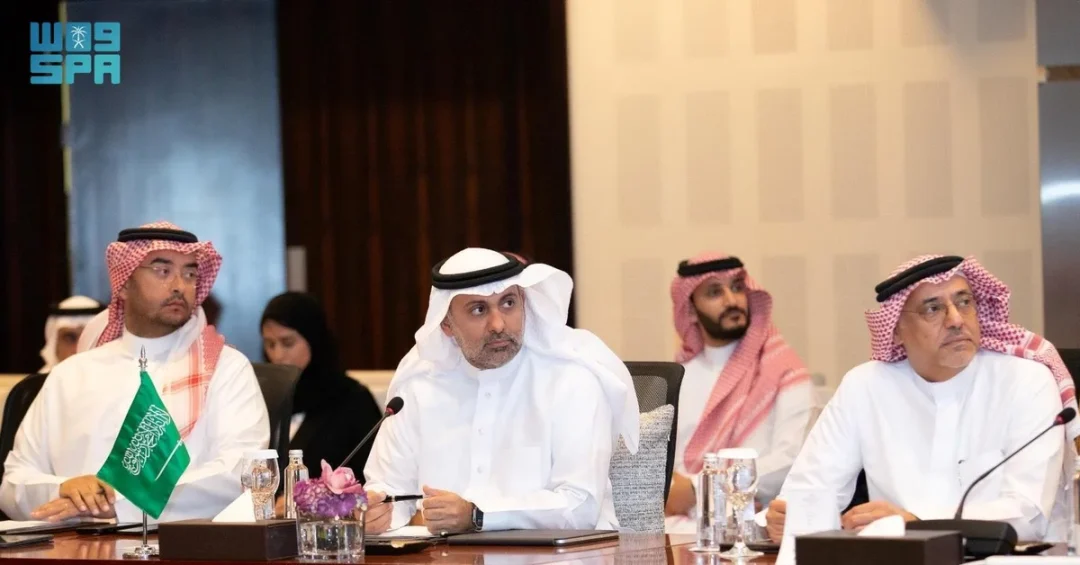
Saudi Arabia’s Minister of Health, Fahd Al-Jalajel, and World Health Organization Director-General Dr. Tedros Adhanom Ghebreyesus co-chaired the inaugural Saudi-WHO strategic dialogue on August 13-14, 2024, via video conference from Riyadh. The landmark meeting, which also included WHO Regional Director for the Eastern Mediterranean Dr. Hanan Balkhy, underscored a shared commitment to strengthening health cooperation and addressing global health challenges.
Context and Background
The strategic dialogue marks a significant milestone in the longstanding partnership between the Kingdom of Saudi Arabia and the World Health Organization (WHO), which dates back to 1961 when Saudi Arabia became a member state. Over the past six decades, the relationship has evolved into a robust alliance focused on improving health outcomes both regionally and globally.
Senior officials from the Ministry of Health, relevant Saudi authorities, and WHO representatives participated in the two-day discussions. The talks highlighted mutual priorities, including fortifying health cooperation, fostering joint initiatives, and supporting global health endeavors.
This inaugural dialogue comes as the world continues to grapple with health crises and seeks to build more resilient health systems. Saudi Arabia, as a key player in the region and a G20 member, is uniquely positioned to contribute to these efforts.
Key Details
During the dialogue, participants delved into a wide range of topics, including historical partnerships, regional and international health concerns, healthcare investments, and scientific research. A central focus was the Kingdom’s Health Sector Transformation Program, a Vision 2030 initiative aimed at improving care quality, preventing health risks, and bolstering public health efforts.
Al-Jalajel highlighted the robust strategic partnership between Saudi Arabia and WHO, emphasizing the Kingdom’s commitment to enhancing healthcare efficiency, digital health accessibility, and road traffic safety. Discussions also covered health emergencies, antimicrobial resistance, data management, and digital health innovations.
Dr. Tedros praised Saudi Arabia’s role, stating: “As the only G20 country and WHO thematic core funder in the Eastern Mediterranean Region, the Kingdom can play a key role in advocating for health and the Investment Round in the region and beyond, and at the G20 on behalf of the region.” The WHO Investment Round is a new approach to mobilizing predictable and flexible resources for its core work over the next four years (2025–2028).
He further emphasized the dialogue’s significance in aligning priorities with WHO’s global health strategy for 2025-2028 and the 14th General Program of Work.
Implications and Impact
The inaugural Saudi-WHO strategic dialogue represents a pivotal step in advancing global health diplomacy. By aligning Saudi Arabia’s health priorities with WHO’s strategic objectives, the dialogue sets the stage for enhanced cooperation on critical issues such as pandemic preparedness, health system strengthening, and equitable access to healthcare.
Saudi Arabia’s role as a G20 member and WHO thematic core funder in the Eastern Mediterranean Region amplifies its influence in shaping global health policies. The Kingdom’s leadership in advocating for the Investment Round can help secure essential funding for WHO’s core activities, benefiting countries worldwide.
Moreover, the dialogue reinforces Saudi Arabia’s commitment to Vision 2030, which seeks to diversify the economy and improve quality of life through investments in healthcare, education, and technology. The Health Sector Transformation Program is a cornerstone of these efforts, aiming to create a more efficient, patient-centered healthcare system.
Regionally, the dialogue strengthens ties between Saudi Arabia and WHO, fostering a unified approach to health challenges in the Eastern Mediterranean. This collaboration is expected to yield tangible benefits, including improved disease surveillance, better emergency response, and enhanced digital health infrastructure.
Vision 2030 Alignment
The inaugural Saudi-WHO strategic dialogue exemplifies the Kingdom’s dedication to Vision 2030 and its overarching goal of a vibrant society, a thriving economy, and an ambitious nation. By prioritizing health sector transformation, Saudi Arabia is not only improving domestic healthcare but also contributing to global health security.
As the Kingdom continues to invest in healthcare innovation and international partnerships, it solidifies its role as a global leader in health diplomacy. The outcomes of this dialogue will resonate far beyond Saudi borders, advancing the shared vision of health for all.
20 Questions
Q1. Who led the inaugural Saudi-WHO strategic dialogue?
A1. Saudi Health Minister Fahd Al-Jalajel and WHO Director-General Dr. Tedros Adhanom Ghebreyesus led the dialogue.
Q2. When did the dialogue take place?
A2. The dialogue took place on August 13-14, 2024.
Q3. Where was the dialogue held?
A3. It was held via video conference from Riyadh.
Q4. Who else attended the dialogue?
A4. Dr. Hanan Balkhy, WHO Regional Director for the Eastern Mediterranean, attended.
Q5. What was the main purpose of the dialogue?
A5. The main purpose was to strengthen health cooperation and address global health challenges.
Q6. When did Saudi Arabia join WHO?
A6. Saudi Arabia joined WHO in 1961.
Q7. What key topics were discussed?
A7. Topics included historical partnerships, health concerns, healthcare investments, and scientific research.
Q8. What is the Health Sector Transformation Program?
A8. It is a Vision 2030 initiative to improve care quality, prevent health risks, and bolster public health.
Q9. What did Al-Jalajel highlight?
A9. He highlighted the robust strategic partnership between Saudi Arabia and WHO.
Q10. What specific areas were discussed for cooperation?
A10. Areas included health emergencies, antimicrobial resistance, data management, and digital health.
Q11. What did Dr. Tedros say about Saudi Arabia’s role?
A11. He said Saudi Arabia can play a key role in advocating for health and the Investment Round.
Q12. What is the WHO Investment Round?
A12. It is a new approach to mobilizing predictable and flexible resources for WHO’s core work (2025–2028).
Q13. How does the dialogue align with WHO’s strategy?
A13. It aligns priorities with WHO’s global health strategy for 2025-2028 and the 14th General Program of Work.
Q14. What is Saudi Arabia’s role in the Eastern Mediterranean Region?
A14. Saudi Arabia is the only G20 country and WHO thematic core funder in the region.
Q15. How does the dialogue impact global health?
A15. It enhances cooperation on pandemic preparedness and equitable access to healthcare.
Q16. What are the implications for Saudi Arabia’s healthcare system?
A16. It supports the Health Sector Transformation Program and improves efficiency and digital health.
Q17. How does this dialogue relate to Vision 2030?
A17. It exemplifies Vision 2030 by prioritizing health sector transformation and global health security.
Q18. What are the expected outcomes of the dialogue?
A18. Expected outcomes include improved disease surveillance, emergency response, and digital health infrastructure.
Q19. How does Saudi Arabia contribute to global health diplomacy?
A19. Through international partnerships and investments in healthcare innovation and leadership.
Q20. What is the significance of the inaugural dialogue?
A20. It marks a milestone in Saudi-WHO partnership, setting the stage for enhanced cooperation on critical health issues.
Reader Feedback
We value your thoughts. Please share your feedback on this article.
Your feedback helps us improve our coverage.