


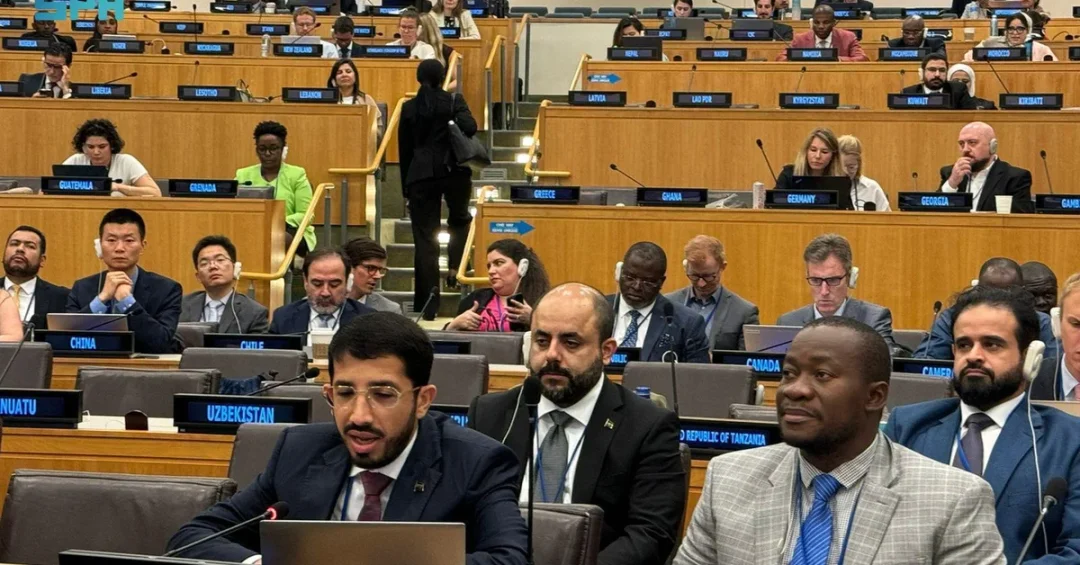
Saudi Arabia, represented by the National Cybersecurity Authority (NCA) and supported by several national entities and its Permanent Mission to the United Nations in New York, participated in the reconvened concluding session of the UN Ad Hoc Committee to Elaborate a Comprehensive International Convention on Countering the Use of Information and Communications Technologies for Criminal Purposes. The session, held from July 29 to August 9, 2024, at UN Headquarters in New York, successfully reached a draft for a UN convention against cybercrime, marking a historic milestone in international law enforcement cooperation.
Context and Background
The Ad Hoc Committee was established by the UN General Assembly to develop a comprehensive international treaty addressing the growing threat of cybercrime. After five years of intensive collaboration among member states, the committee concluded its work with a draft convention that represents the first multilateral treaty to combat crime under the UN umbrella in more than 20 years. It is also the first binding international agreement specifically targeting cybercrime, a critical development as cyber threats continue to escalate globally.
The convention aims to encourage and strengthen measures to prevent and combat cybercrime, enhance international cooperation, and promote capacity-building to help states effectively address these challenges. The Kingdom of Saudi Arabia has been an active participant throughout the negotiation process, reflecting its commitment to global cybersecurity and its leadership in promoting Arab cooperation in this vital field.
Key Details
During the final meeting, member states agreed to criminalize several actions, including unauthorized access to systems, interference with or manipulation of data, and crimes related to the sexual exploitation of children. A draft resolution of the UN General Assembly on the adoption of this convention was also reached, paving the way for the convention to be opened for signature at UN Headquarters in New York until December 31, 2026, for all UN member states and regional economic integration organizations.
The convention will enter into force on the 90th day after the deposit of the 40th instrument of ratification, acceptance, approval, or accession by member states. The UN Office on Drugs and Crime (UNODC) will play a key role in supporting implementation, serving as the Secretariat of the Conference of the States Parties, overseeing monitoring mechanisms, providing technical support, and facilitating practical international cooperation.
Throughout the negotiations, Saudi Arabia actively presented several proposals and worked closely with other Arab countries on common issues addressed in the draft convention. This collaborative effort aligns with the Kingdom’s commitment to boosting Arab cooperation in cybersecurity, ensuring that all Arab countries are integral parts of this global initiative.
Implications and Impact
The adoption of this convention represents a significant step forward in global efforts to combat cybercrime, which poses a growing threat to economies, national security, and individual privacy worldwide. For Saudi Arabia, participation in this process underscores its proactive role in shaping international norms and frameworks for cybersecurity. The convention will facilitate enhanced cross-border cooperation, enabling law enforcement agencies to share information, conduct joint investigations, and build capacity to address cyber threats effectively.
Furthermore, the Kingdom’s engagement in the Ad Hoc Committee demonstrates its leadership in the region, as it worked alongside Arab nations to ensure their perspectives were included in the final text. This inclusive approach strengthens regional solidarity and enhances the collective ability to tackle cybercrime, which knows no borders.
Vision 2030 Alignment
Saudi Arabia’s active role in the UN cybercrime convention negotiations is directly aligned with Vision 2030, the Kingdom’s ambitious roadmap for economic diversification and social development. Vision 2030 emphasizes the importance of a secure and resilient digital infrastructure to support the growth of key sectors such as technology, finance, and tourism. By contributing to international efforts against cybercrime, the Kingdom is not only protecting its own digital transformation but also contributing to a safer global cyberspace, reinforcing its position as a responsible international actor and a leader in cybersecurity.
20 Questions
Q1. What was the main outcome of the UN Ad Hoc Committee’s reconvened concluding session?
A1. The session successfully reached a draft for a comprehensive international convention against cybercrime, marking a historic milestone as the first binding UN treaty to combat cybercrime.
Q2. When and where did the reconvened concluding session take place?
A2. The session was held from July 29 to August 9, 2024, at the United Nations Headquarters in New York.
Q3. Which Saudi entity led the Kingdom’s delegation to the session?
A3. The National Cybersecurity Authority (NCA) led the delegation, with support from several national entities and the Permanent Mission of Saudi Arabia to the UN.
Q4. What is the significance of this convention for international law?
A4. It is the first multilateral treaty to combat crime under the UN umbrella in over 20 years and the first binding international agreement specifically targeting cybercrime.
Q5. What actions did member states agree to criminalize under the convention?
A5. They agreed to criminalize unauthorized access to systems, interference with or manipulation of data, and crimes related to the sexual exploitation of children, among others.
Q6. How long will the convention be open for signature?
A6. The convention will be open for signature at UN Headquarters in New York until December 31, 2026, for all UN member states and regional economic integration organizations.
Q7. When will the convention enter into force?
A7. It will enter into force on the 90th day after the deposit of the 40th instrument of ratification, acceptance, approval, or accession.
Q8. What role will the UN Office on Drugs and Crime play?
A8. UNODC will support implementation, serve as Secretariat of the Conference of the States Parties, oversee monitoring mechanisms, provide technical support, and facilitate international cooperation.
Q9. How did Saudi Arabia contribute to the negotiations?
A9. Saudi Arabia actively presented several proposals and worked closely with other Arab countries on common issues addressed in the draft convention, enhancing Arab cooperation in cybersecurity.
Q10. What is the National Cybersecurity Authority’s role in representing Saudi Arabia?
A10. The NCA represents the Kingdom in relevant bilateral, regional, and international organizations and follows up on its international cybersecurity commitments.
Q11. Why is international cooperation crucial in combating cybercrime?
A11. Cybercrime transcends borders, so international cooperation is essential for effective prevention, investigation, and prosecution of cybercriminal activities.
Q12. How does the convention aim to support capacity-building?
A12. The convention promotes and supports building human and technical capacities to combat cybercrime, especially in developing countries, through technical assistance and training.
Q13. What was the duration of the Ad Hoc Committee’s work?
A13. The committee worked for five years, engaging in extensive collaboration among member states to develop the convention.
Q14. What are the next steps after the draft resolution?
A14. The UN General Assembly will consider adopting the convention, after which it will open for signature and eventually enter into force upon sufficient ratifications.
Q15. How does this convention align with Saudi Arabia’s Vision 2030?
A15. It aligns with Vision 2030 by enhancing digital security, supporting economic diversification, and reinforcing Saudi Arabia’s role as a responsible global actor in cybersecurity.
Q16. What is the significance of the convention for Arab countries?
A16. The convention ensures Arab countries are integral parts of the global initiative, with their common issues addressed, strengthening regional solidarity against cybercrime.
Q17. What types of cybercrimes does the convention specifically address?
A17. It addresses unauthorized access to systems, data interference, manipulation, and crimes related to sexual exploitation of children, among other cyber offenses.
Q18. How will the convention facilitate international cooperation?
A18. It will enable law enforcement agencies to share information, conduct joint investigations, and build capacity through mechanisms provided by UNODC.
Q19. What is the expected impact of the convention on global cybersecurity?
A19. It will strengthen global defenses against cybercrime, enhance legal frameworks, and promote a safer cyberspace for all nations.
Q20. How does Saudi Arabia’s participation reflect its leadership in cybersecurity?
A20. Saudi Arabia’s active role demonstrates its commitment to global cybersecurity, its leadership in Arab cooperation, and its dedication to international peace and security.
Reader Feedback
We value your thoughts. Please share your feedback on this article.
Your feedback helps us improve our coverage.