


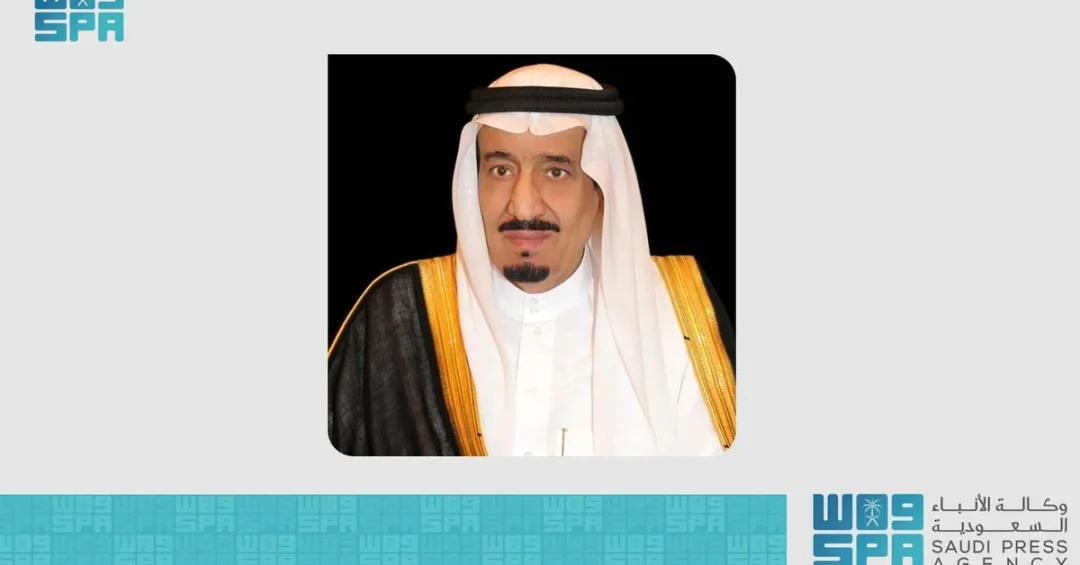
The Custodian of the Two Holy Mosques King Salman bin Abdulaziz Al Saud has sent a cable of congratulations to President Santiago Pena of the Republic of Paraguay on the occasion of his country’s Independence Day. The message, conveyed via the Saudi Press Agency (SPA) on May 15, 2024, underscored the Kingdom’s commitment to fostering strong bilateral ties with nations across the globe.
Context and Background
This congratulatory gesture comes as Paraguay celebrates its national day, marking its independence from Spanish rule in 1811. Saudi Arabia and Paraguay have maintained diplomatic relations for decades, with both nations cooperating on various international platforms, including the United Nations and the Non-Aligned Movement. The Kingdom’s leadership regularly extends such greetings to allied and friendly nations, reflecting its proactive diplomatic engagement and respect for global sovereignty.
Key Details
The cable is part of a broader Saudi diplomatic tradition of sending official congratulations to heads of state on significant national occasions. King Salman, who has served as Custodian of the Two Holy Mosques since 2015, has consistently prioritized international communication and cooperation. The message to President Pena reiterates the Kingdom’s hope for continued health and happiness for the leader and steady progress and prosperity for the people of Paraguay.
Implications and Impact
While the cable is a ceremonial gesture, it carries symbolic weight in reinforcing Saudi Arabia’s international standing as a key player in global diplomacy. By acknowledging Paraguay’s independence, the Kingdom underscores its commitment to maintaining friendly relations with countries in South America, a region of growing economic and political significance. This act aligns with Saudi Arabia’s broader foreign policy goals of expanding partnerships beyond traditional allies, fostering mutual respect and cooperation.
Vision 2030 Alignment
As Saudi Arabia advances its Vision 2030 agenda, which seeks to diversify the economy and enhance global engagement, such diplomatic gestures play a subtle yet crucial role in opening doors for future collaborations. By nurturing relationships with nations like Paraguay, the Kingdom positions itself as a reliable and engaged global partner, ready to explore new avenues of trade, investment, and cultural exchange. This congratulatory message, while simple in form, reflects the Kingdom’s enduring commitment to building a connected and prosperous international community, in line with the aspirations of Vision 2030.
20 Questions
Q1. Who sent the congratulatory message to Paraguay’s president?
A1. The Custodian of the Two Holy Mosques King Salman bin Abdulaziz Al Saud sent the message, as reported by the Saudi Press Agency.
Q2. Who is the President of Paraguay?
A2. The President of Paraguay is Santiago Pena, who received the congratulatory cable from King Salman.
Q3. What occasion prompted the congratulatory message?
A3. The message was sent on Paraguay’s Independence Day, which marks the country’s independence from Spanish rule in 1811.
Q4. When was the message sent?
A4. The cable was sent on May 15, 2024, according to the Saudi Press Agency.
Q5. How was the message conveyed?
A5. The message was conveyed through a cable, as is customary for official diplomatic greetings.
Q6. What did King Salman wish for President Pena?
A6. King Salman wished the Paraguayan president continued good health and happiness.
Q7. What did King Salman wish for the people of Paraguay?
A7. He wished the government and people of Paraguay steady progress and prosperity.
Q8. Which official Saudi agency reported the news?
A8. The Saudi Press Agency (SPA) reported the news from Jeddah.
Q9. In which city was the report issued?
A9. The report was issued from Jeddah, Saudi Arabia.
Q10. Is such a congratulatory message common behavior for Saudi leaders?
A10. Yes, Saudi leaders frequently send such messages to foreign heads of state on national occasions, reflecting diplomatic tradition.
Q11. How does this action reflect Saudi Arabia’s foreign policy?
A11. It demonstrates Saudi Arabia’s commitment to maintaining friendly relations with countries worldwide, including those in South America.
Q12. What is the significance of sending these greetings?
A12. It reinforces diplomatic ties and shows respect for the sovereignty and national identity of other nations.
Q13. Are there any known tensions between Saudi Arabia and Paraguay?
A13. No, Saudi Arabia and Paraguay maintain cordial diplomatic relations, and this message aligns with that positive relationship.
Q14. What role does the Saudi Press Agency play?
A14. The SPA is the official news agency of Saudi Arabia, reporting on official statements and events.
Q15. Did King Salman mention any specific areas of cooperation?
A15. The message did not specify areas of cooperation, focusing instead on general well-wishes.
Q16. How might this message impact Saudi-Paraguay relations?
A16. It is likely to reinforce positive diplomatic relations and encourage further engagement, though specific outcomes are speculative.
Q17. What is the symbolic importance of such messages in international diplomacy?
A17. They serve as gestures of goodwill, maintaining open channels of communication and fostering mutual respect.
Q18. Does this message align with Vision 2030?
A18. Yes, it aligns with Vision 2030’s goal of enhancing global engagement and building diverse international partnerships.
Q19. What is the potential economic significance of diplomatic ties with Paraguay?
A19. Paraguay is a growing economy, and strengthening ties could open opportunities for trade and investment, though not specified.
Q20. Why is it important for Saudi Arabia to maintain such diplomatic practices?
A20. It enhances Saudi Arabia’s international reputation, supports its soft power, and aligns with its aspirations to be a key global player.
Reader Feedback
We value your thoughts. Please share your feedback on this article.
Your feedback helps us improve our coverage.