


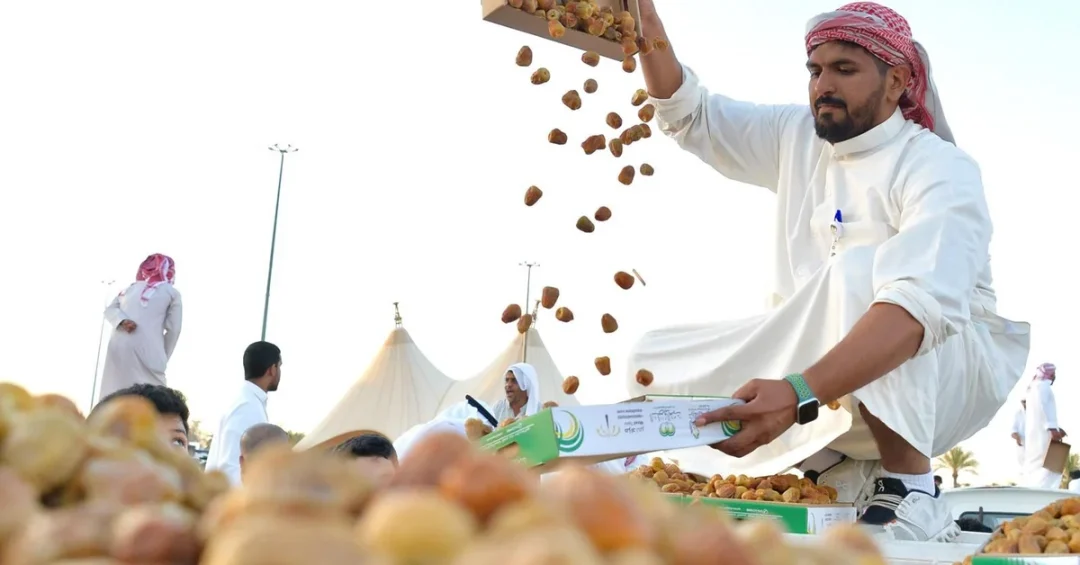
The Buraidah Dates Carnival, the largest annual event of its kind, is experiencing peak trading activity as the second quarter of the date harvest season begins in the Qassim region, according to the Saudi Press Agency (SPA). The carnival has attracted numerous vehicles loaded with over 50 varieties of dates, drawing shoppers and visitors eager to purchase the finest dates and enjoy the vibrant atmosphere. Khalid Al-Nugaidan, Secretary of the Higher Committee for the Carnival, emphasized the event’s readiness to receive vehicles, organize their routes, and ensure all necessary elements are in place to facilitate sales and purchases. This seasonal surge underscores the cultural and economic significance of dates in Saudi Arabia and highlights the Kingdom’s commitment to supporting traditional agriculture and regional commerce.
Context and Background
The Qassim region is renowned for its date production, particularly during the second quarter of the harvest season, often referred to as the golden period due to the superior quality and abundance of dates. The Buraidah Dates Carnival, held annually in Buraidah, the capital of Qassim, serves as a central marketplace for farmers, traders, and consumers from across the Kingdom and beyond. It is a key event that showcases the rich heritage of date cultivation and strengthens the local economy. The carnival not only facilitates trade but also celebrates the deep-rooted tradition of date farming, which has been a staple of Saudi agriculture for centuries. The event’s success reflects the Kingdom’s broader efforts to preserve cultural heritage while fostering economic growth in line with Saudi Vision 2030.
Key Details
According to the Saudi Press Agency, the carnival is currently witnessing peak buying and selling activity as vehicles carrying more than 50 varieties of dates arrive at the site. These varieties include popular types such as Sukkari, Ajwa, and Khalas, each with distinct flavors and textures. Khalid Al-Nugaidan, Secretary of the Higher Committee for the Carnival, stated that the committee has taken extensive measures to ensure smooth operations, including organizing vehicle routes and providing necessary facilities for buyers and sellers. The carnival’s infrastructure supports efficient transactions, with designated areas for unloading, sorting, and displaying dates. The event also features educational and cultural activities that highlight the nutritional and economic value of dates, attracting a diverse audience.
Implications and Impact
The Buraidah Dates Carnival plays a vital role in the regional economy by providing a direct platform for farmers to sell their produce, thereby increasing their income and supporting rural livelihoods. It also boosts local businesses, such as transportation, hospitality, and retail, creating a multiplier effect in the Qassim region. On a national level, the carnival contributes to food security by promoting the consumption and export of Saudi dates. Internationally, it enhances the reputation of Saudi dates as a premium product, opening doors for export opportunities to markets in Asia, Europe, and the Americas. The event exemplifies how traditional agriculture can be integrated with modern commerce to drive sustainable development, a core principle of Vision 2030. Furthermore, it reinforces Saudi Arabia’s image as a nation that values its heritage while embracing progress.
Vision 2030 Alignment
The Buraidah Dates Carnival directly supports Saudi Vision 2030 by promoting economic diversification, enhancing non-oil revenues, and empowering local communities. By facilitating the trade of dates, a key agricultural commodity, the carnival contributes to the growth of the private sector and creates job opportunities in Qassim and beyond. It also aligns with the Vision’s focus on preserving cultural heritage and promoting tourism, as visitors from around the world are drawn to the event. Through such initiatives, Saudi Arabia demonstrates its commitment to sustainable development, food security, and the celebration of its rich traditions, all of which are essential to achieving the ambitious goals of Vision 2030. The carnival stands as a testament to the Kingdom’s ability to blend tradition with modernity, driving forward a prosperous future.
20 Questions
Q1. What is the Buraidah Dates Carnival?
A1. The Buraidah Dates Carnival is the largest annual date festival in Saudi Arabia, held in Buraidah, Qassim. It showcases over 50 date varieties, attracts thousands of visitors, and facilitates trade, celebrating the region’s rich agricultural heritage.
Q2. Where is the carnival held?
A2. The carnival is held in Buraidah, the capital of the Qassim region in Saudi Arabia. This area is renowned for its date production, particularly during the second quarter of the harvest season, known as the golden period.
Q3. When does the second quarter of the date harvest season begin?
A3. The second quarter of the date harvest season begins in August, marking the peak period for date quality and abundance. This timing is crucial for the carnival, as it coincides with the arrival of the finest dates.
Q4. Who is Khalid Al-Nugaidan?
A4. Khalid Al-Nugaidan is the Secretary of the Higher Committee for the Buraidah Dates Carnival. He oversees the event’s operations, ensuring preparedness to receive vehicles, organize routes, and facilitate efficient buying and selling of dates.
Q5. How many varieties of dates are available at the carnival?
A5. The carnival features over 50 varieties of dates, including popular types like Sukkari, Ajwa, and Khalas. This diversity attracts buyers and showcases the rich agricultural output of the Qassim region.
Q6. What measures are taken to organize the carnival?
A6. The Higher Committee, led by Khalid Al-Nugaidan, implements measures such as directing vehicle routes, providing unloading and display areas, and ensuring facilities for transactions. These efforts ensure a smooth experience for all participants.
Q7. Why is the Qassim region important for date production?
A7. Qassim is known for its ideal climate and soil, producing high-quality dates. It is a major contributor to Saudi Arabia’s date industry, and the carnival highlights its significance in the national economy and cultural heritage.
Q8. What economic impact does the carnival have?
A8. The carnival boosts the local economy by providing farmers a direct market, increasing their income. It also stimulates related sectors like transportation and hospitality, creating a multiplier effect in the Qassim region and beyond.
Q9. How does the carnival support food security?
A9. By promoting the trade and consumption of dates, the carnival enhances food security in Saudi Arabia. It encourages local production and reduces reliance on imports, aligning with national goals for sustainable agriculture.
Q10. What international implications does the carnival have?
A10. The carnival enhances the global reputation of Saudi dates, opening export opportunities to Asia, Europe, and the Americas. It showcases the Kingdom’s ability to produce premium agricultural products, strengthening its position in international markets.
Q11. How does the carnival align with Vision 2030?
A11. The carnival supports Vision 2030 by diversifying the economy, boosting non-oil revenues, and empowering local communities. It also preserves cultural heritage and promotes tourism, key pillars of the Vision.
Q12. What types of dates are most popular at the carnival?
A12. Popular varieties include Sukkari, known for its sweetness; Ajwa, prized for its dark color and health benefits; and Khalas, a staple in Saudi households. Each variety has unique characteristics that attract different buyers.
Q13. Who attends the carnival?
A13. The carnival attracts a diverse audience, including local farmers, traders, consumers from across Saudi Arabia, and international visitors. It is a vibrant gathering that celebrates date culture and facilitates business networking.
Q14. What is the golden period for dates?
A14. The golden period refers to the second quarter of the harvest season when dates reach peak quality and abundance. It is the most anticipated time for date lovers and traders, driving high activity at the carnival.
Q15. How does the carnival promote Saudi culture?
A15. The carnival showcases traditional date farming practices, offers cultural activities, and highlights the historical significance of dates in Saudi society. It educates visitors about the nutritional and economic value of this staple crop.
Q16. What role does the Saudi Press Agency play?
A16. The Saudi Press Agency (SPA) is the official news agency of Saudi Arabia. It reports on events like the Buraidah Dates Carnival, providing accurate and timely information to the public and international media.
Q17. Are there any environmental benefits to date farming?
A17. Yes, date palms are environmentally friendly, requiring minimal water and contributing to desert greening. They also provide shade and support biodiversity, making date farming a sustainable agricultural practice in Saudi Arabia.
Q18. How can international buyers participate in the carnival?
A18. International buyers can attend the carnival in person or connect with Saudi exporters. The event facilitates direct transactions and provides a platform for establishing long-term business relationships with Saudi date producers.
Q19. What future plans exist for the carnival?
A19. Future plans include expanding facilities, incorporating more technology for efficient trading, and increasing international participation. These efforts aim to solidify the carnival’s status as a premier global date event.
Q20. How does the carnival reflect Saudi Arabia’s modernization?
A20. The carnival blends tradition with modern commerce, using advanced organization and marketing. It reflects Saudi Arabia’s progress under Vision 2030, showcasing how heritage can drive economic growth and global engagement.
Reader Feedback
We value your thoughts. Please share your feedback on this article.
Your feedback helps us improve our coverage.