


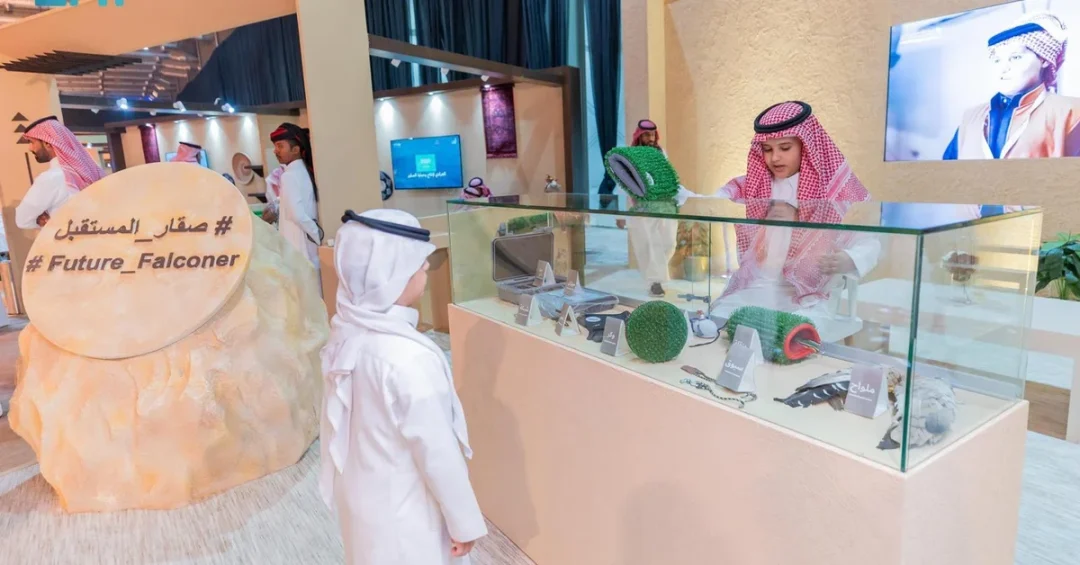
The Saudi Falcons Club has unveiled a dedicated pavilion for junior falconers, called “Falconer of the Future,” at the International Falcon Breeders Auction 2024, reinforcing its commitment to preserving Saudi Arabia’s rich falconry heritage and nurturing the next generation of enthusiasts. The auction, running until August 24 at the club’s headquarters in Malham, north of Riyadh, showcases the Kingdom’s leadership in safeguarding cultural traditions while advancing Vision 2030 goals.
Context and Background
Falconry holds a cherished place in Saudi Arabian culture, symbolizing nobility, patience, and a deep connection to the desert heritage. The Saudi Falcons Club, a key institution under the Ministry of Culture, has long been at the forefront of preserving this legacy. The club’s efforts align with the Kingdom’s broader cultural preservation initiatives, which are integral to Vision 2030’s Quality of Life program. By dedicating a pavilion to junior falconers, the club ensures that this ancient practice continues to thrive among younger generations, fostering skills and passion that have been passed down for centuries.
Key Details
The “Falconer of the Future” pavilion is a highlight of the International Falcon Breeders Auction 2024, which attracts breeders and enthusiasts from around the world. The club previously introduced two rounds specifically for junior falconers as part of the King Abdulaziz Falconry Festival, the largest gathering of falcons globally, recognized three times by Guinness World Records for the highest number of participating falcons. These rounds, titled “Falconers of the Future,” offered prizes exceeding SAR 100,000, significantly boosting the hobby’s appeal and ensuring its continuity. The new pavilion at the auction provides a dedicated space for young falconers to learn, compete, and engage with experts, further embedding falconry in the Kingdom’s cultural fabric.
Implications and Impact
This initiative has profound implications for both domestic and international audiences. Domestically, it strengthens community bonds and encourages youth participation in a hobby that promotes patience, responsibility, and environmental awareness. Internationally, it reinforces Saudi Arabia’s role as a custodian of cultural heritage, attracting global attention and fostering cross-cultural exchange. The auction itself serves as a platform for economic activity, with falconry-related trade and tourism contributing to local economies. By investing in junior falconers, the Kingdom is not only preserving a tradition but also enhancing its soft power and showcasing its commitment to cultural diplomacy.
Vision 2030 Alignment
The “Falconer of the Future” pavilion directly supports Vision 2030’s objectives of enriching cultural heritage and promoting quality of life. As part of the Quality of Life program, such initiatives aim to increase recreational and cultural opportunities for citizens and residents, fostering a vibrant society. Moreover, by engaging youth in falconry, the Kingdom nurtures skills that align with the values of perseverance and excellence, key to the nation’s future. This effort exemplifies how Saudi Arabia balances modernization with tradition, ensuring that its cultural legacy remains a source of pride and inspiration for generations to come.
20 Questions
Q1. What is the “Falconer of the Future” pavilion?
A1. The “Falconer of the Future” pavilion is a dedicated space for junior falconers established by the Saudi Falcons Club at the International Falcon Breeders Auction 2024 to preserve cultural heritage and engage youth in falconry.
Q2. Where and when is the International Falcon Breeders Auction 2024 taking place?
A2. The auction is being held at the Saudi Falcons Club headquarters in Malham, north of Riyadh, from August 15 to August 24, 2024, attracting breeders and enthusiasts from around the world.
Q3. Why is falconry important in Saudi culture?
A3. Falconry is a traditional sport and cultural symbol in Saudi Arabia, representing nobility, patience, and a connection to desert heritage. It has been passed down through generations and remains a cherished practice.
Q4. How does the Saudi Falcons Club support junior falconers?
A4. The club has allocated rounds for junior falconers in the King Abdulaziz Falconry Festival and created the “Falconer of the Future” pavilion, offering prizes and opportunities to develop skills and ensure the tradition’s continuity.
Q5. What is the King Abdulaziz Falconry Festival?
A5. The King Abdulaziz Falconry Festival is the largest gathering of falcons in the world, organized by the Saudi Falcons Club. It has set Guinness World Records three times for the highest number of participating falcons.
Q6. What prizes were offered in the “Falconers of the Future” rounds?
A6. The “Falconers of the Future” rounds offered prizes exceeding SAR 100,000, aimed at enhancing falconry as a hobby and nurturing a new generation of proficient falconers.
Q7. How does this initiative align with Saudi Vision 2030?
A7. It supports Vision 2030’s Quality of Life program by preserving cultural heritage, promoting recreational opportunities, and engaging youth, thereby enriching society and ensuring traditions thrive alongside modernization.
Q8. What impact does the pavilion have on youth?
A8. The pavilion provides a space for young falconers to learn, compete, and interact with experts, fostering patience, responsibility, and a passion for cultural heritage, which helps build a skilled and engaged generation.
Q9. How does the auction contribute to the local economy?
A9. The auction stimulates economic activity through falconry-related trade, tourism, and hospitality, attracting international participants and visitors, thus supporting local businesses and showcasing Saudi Arabia as a hub for cultural events.
Q10. What is the significance of the Guinness World Records for the festival?
A10. The Guinness World Records highlight the festival’s global standing and Saudi Arabia’s success in organizing large-scale cultural events, reinforcing the Kingdom’s role as a leader in preserving and promoting falconry.
Q11. Who organizes the International Falcon Breeders Auction?
A11. The auction is organized by the Saudi Falcons Club, a cultural institution dedicated to preserving falconry heritage and promoting related activities in line with the Kingdom’s cultural objectives.
Q12. How does falconry promote environmental awareness?
A12. Falconry fosters a deep appreciation for nature and wildlife, encouraging sustainable practices and conservation efforts, as falconers must understand and respect the ecosystems in which they operate.
Q13. What opportunities does the pavilion offer for international exchange?
A13. The pavilion allows junior falconers to interact with international breeders and enthusiasts, facilitating cultural exchange, sharing of best practices, and showcasing Saudi Arabia’s rich heritage on a global stage.
Q14. What role does the Ministry of Culture play in this initiative?
A14. The Ministry of Culture supports the Saudi Falcons Club in preserving falconry as part of the Kingdom’s cultural heritage, aligning with Vision 2030 goals to enrich cultural life and promote national identity.
Q15. How can young falconers participate in these programs?
A15. Young falconers can participate through events organized by the Saudi Falcons Club, such as the King Abdulaziz Falconry Festival and the International Falcon Breeders Auction, where they can register and compete.
Q16. What is the historical significance of falconry in Saudi Arabia?
A16. Falconry has been a traditional practice for centuries, used for hunting and as a symbol of status and skill. It reflects the Bedouin heritage and remains a vital part of Saudi cultural identity.
Q17. How does the auction promote tourism?
A17. The auction attracts international visitors and participants, boosting tourism in Riyadh and showcasing Saudi Arabia’s cultural offerings, thereby contributing to the Kingdom’s tourism goals under Vision 2030.
Q18. What are the future plans for junior falconer programs?
A18. The Saudi Falcons Club aims to expand junior falconer programs, increasing participation and prizes, and continuing to integrate youth into falconry to ensure the tradition’s long-term sustainability.
Q19. How does this initiative reflect Saudi Arabia’s leadership in cultural preservation?
A19. By investing in youth and hosting international events, Saudi Arabia demonstrates leadership in preserving cultural heritage, setting an example for other nations and reinforcing its commitment to cultural diplomacy.
Q20. What message does the “Falconer of the Future” pavilion send to the world?
A20. It sends a message that Saudi Arabia values its heritage and is dedicated to passing it on to future generations, while also embracing modernization and global engagement, in line with Vision 2030.
Reader Feedback
We value your thoughts. Please share your feedback on this article.
Your feedback helps us improve our coverage.
Related articles
 King Abdulaziz Public Library Safeguards Arab and Islamic Heritage
 British Breeder Sells 3 Falcon Chicks for SAR 176,000 at Malham Auction
 Two Falcons Sold for SAR63,000 at International Falcon Breeders Auction
 Three Falcons from British Farm Sold for SAR164,000 at International Falcon Breeders Auction
 ‘Aseer Manuscripts Exhibition Opens in Ahad Rafidah
 A Falconer’s Journey from Rome to Riyadh