


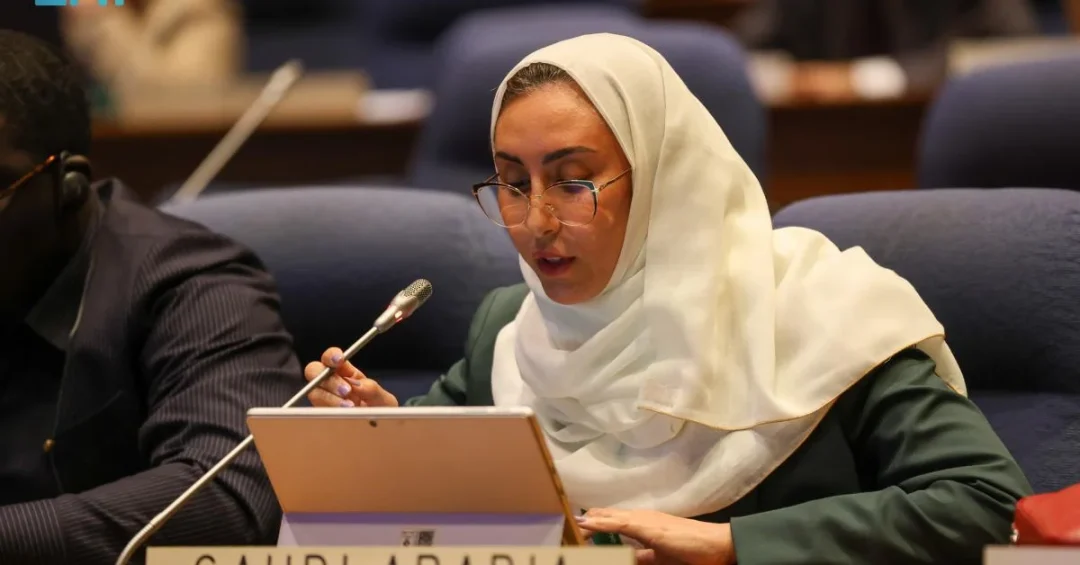
Saudi Arabia has reaffirmed its commitment to equitable international frameworks for biodiversity conservation and the fair sharing of benefits derived from genetic resources, emphasizing the need for a balanced multilateral mechanism to govern the use of digital sequence information. Represented by the King Abdulaziz City for Science and Technology (KACST) and the National Center for Wildlife, the Kingdom participated in the open-ended working group meeting on benefit-sharing from digital sequence information (DSI) on genetic resources, held in Montreal, Canada, from August 12 to 16, 2024. The meeting convened international stakeholders to discuss the implementation of a mechanism for parties to share benefits arising from the use of DSI, including the potential establishment of a global fund.
Context and Background
Digital sequence information refers to the digitized genetic data of organisms—such as DNA and RNA sequences—that can be accessed, shared, and utilized across borders without the physical transfer of biological material. While DSI has revolutionized scientific research, medicine, and agriculture, it has also raised complex questions about how the benefits derived from these genetic resources should be shared fairly with the countries and communities that provide them. The open-ended working group in Montreal is part of ongoing international efforts under the Convention on Biological Diversity (CBD) to develop a multilateral mechanism that ensures equitable benefit-sharing, a key objective of the Kunming-Montreal Global Biodiversity Framework adopted in 2022.
Key Details
Dr. Batoul Baz, Vice President for the Health Sector at KACST and Chair of the National Committee for Biosafety, led the Saudi delegation and articulated the Kingdom’s position. She affirmed Saudi Arabia’s commitment to enhancing international efforts to reduce biodiversity loss in line with sustainable development goals and the international frameworks, agreements, and protocols to which the Kingdom is a party. Dr. Baz emphasized the necessity of equitable and fair benefit-sharing from the use of DSI on genetic resources, stressing that this principle should be clearly reflected in the multilateral mechanism. She also called on the international community to commit to reducing biodiversity loss and ensuring fair sharing of benefits arising from genetic resources.
Implications and Impact
Saudi Arabia’s active participation in this working group underscores its growing role in global environmental governance and its dedication to multilateral cooperation. The Kingdom’s stance aligns with its broader efforts to protect biodiversity, promote sustainable development, and ensure that developing nations receive fair compensation for their genetic resources. The establishment of a global fund, as discussed in Montreal, could provide critical support for conservation projects and capacity-building initiatives in countries rich in biodiversity. Saudi Arabia’s engagement also reflects its commitment to balancing scientific innovation with ethical and equitable practices, a principle that resonates with its domestic environmental strategies.
Vision 2030 Alignment
Saudi Arabia’s involvement in international biodiversity and benefit-sharing discussions is closely tied to Vision 2030, the Kingdom’s comprehensive plan to diversify its economy and enhance its global standing. Vision 2030 emphasizes environmental sustainability, with initiatives such as the Saudi Green Initiative and the Middle East Green Initiative aiming to combat climate change and protect ecosystems. By advocating for fair benefit-sharing from DSI, the Kingdom reinforces its commitment to sustainable development and international cooperation, positioning itself as a responsible global partner in preserving biodiversity for future generations.
20 Questions
Q1. What is digital sequence information (DSI)?
A1. DSI refers to digitized genetic data, such as DNA and RNA sequences, that can be shared and used globally without physical biological samples. It is crucial for research in medicine, agriculture, and conservation, but raises questions about equitable benefit-sharing.
Q2. Why is Saudi Arabia involved in DSI discussions?
A2. Saudi Arabia participates to ensure fair and equitable benefit-sharing from genetic resources, aligning with its commitment to international environmental agreements and sustainable development goals. The Kingdom aims to protect biodiversity and promote global cooperation.
Q3. What organizations represented Saudi Arabia at the Montreal meeting?
A3. The King Abdulaziz City for Science and Technology (KACST) and the National Center for Wildlife represented the Kingdom, with Dr. Batoul Baz leading the delegation as KACST Vice President for the Health Sector.
Q4. What is the purpose of the open-ended working group?
A4. The working group discusses and develops a multilateral mechanism for benefit-sharing from DSI, including the potential establishment of a global fund to support biodiversity conservation and equitable distribution of benefits.
Q5. What did Dr. Batoul Baz emphasize at the meeting?
A5. She emphasized Saudi Arabia’s commitment to reducing biodiversity loss and the necessity of equitable benefit-sharing from DSI, urging the international community to ensure fair sharing of benefits from genetic resources.
Q6. How does DSI benefit scientific research?
A6. DSI accelerates research by allowing scientists to access genetic data globally, facilitating discoveries in medicine, agriculture, and environmental science without the need for physical samples.
Q7. What is the Kunming-Montreal Global Biodiversity Framework?
A7. It is a 2022 international agreement under the Convention on Biological Diversity that sets goals to halt biodiversity loss and ensure fair benefit-sharing from genetic resources, including DSI.
Q8. Why is benefit-sharing from DSI important for developing countries?
A8. Developing countries often provide genetic resources but lack resources to commercialize them. Fair benefit-sharing ensures they receive compensation and support for conservation and sustainable development.
Q9. What is the proposed global fund?
A9. The global fund would collect and distribute benefits from DSI use to support biodiversity conservation, capacity-building, and equitable development, particularly in biodiversity-rich countries.
Q10. How does Saudi Arabia contribute to global biodiversity efforts?
A10. Saudi Arabia participates in international forums, implements initiatives like the Saudi Green Initiative, and advocates for fair policies, demonstrating its commitment to environmental sustainability and global cooperation.
Q11. What is the National Center for Wildlife?
A11. It is a Saudi government agency responsible for wildlife conservation, protected areas, and biodiversity strategies, contributing to the Kingdom’s environmental goals and international commitments.
Q12. What is KACST’s role in DSI?
A12. KACST leads Saudi Arabia’s scientific research and technology development, including biosafety and genetic resource management, and represents the Kingdom in international discussions on DSI.
Q13. How does DSI relate to the Convention on Biological Diversity?
A13. DSI is a key issue under the CBD, as parties negotiate how to share benefits from genetic resources, including digital data, to fulfill the convention’s objectives of conservation and equitable use.
Q14. What are the challenges in regulating DSI?
A14. Challenges include tracking DSI use, defining benefit-sharing triggers, ensuring compliance, and balancing open data access with equitable compensation for provider countries.
Q15. How can Saudi Arabia benefit from DSI?
A15. Saudi Arabia can access global genetic data for research in health, agriculture, and conservation, while also ensuring its own genetic resources are used fairly and benefits are shared.
Q16. What are Saudi Arabia’s environmental goals under Vision 2030?
A16. Vision 2030 includes goals to protect the environment, promote sustainability, and diversify the economy, with initiatives like the Saudi Green Initiative aiming to plant 10 billion trees and reduce emissions.
Q17. How does Saudi Arabia’s participation reflect its global role?
A17. It shows the Kingdom’s active engagement in multilateral diplomacy and its commitment to responsible global citizenship, enhancing its reputation as a leader in sustainability and international cooperation.
Q18. What are the next steps after the Montreal meeting?
A18. The working group will continue negotiations to refine the multilateral mechanism, with outcomes to be presented at future CBD conferences for adoption by parties.
Q19. How does DSI benefit-sharing relate to the Sustainable Development Goals?
A19. It supports SDGs on biodiversity, health, and reducing inequalities by ensuring fair access to and benefits from genetic resources, promoting global equity and sustainability.
Q20. What is Saudi Arabia’s stance on biodiversity loss?
A20. Saudi Arabia is committed to reducing biodiversity loss through international cooperation, domestic initiatives, and advocating for equitable frameworks, as demonstrated by its active participation in the Montreal meeting.
Reader Feedback
We value your thoughts. Please share your feedback on this article.
Your feedback helps us improve our coverage.