


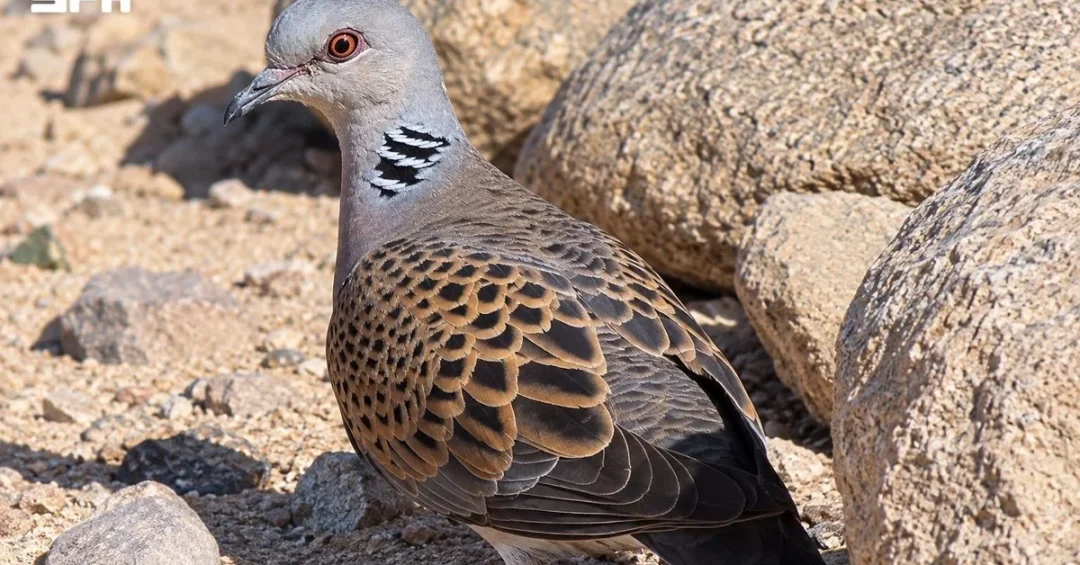
The European turtle dove has been recorded in Turaif Governorate within the Northern Borders Region, marking a notable waypoint along its annual migration route, the Saudi Press Agency reported. The sighting underscores the region’s geographic importance as a stopover for migratory birds traveling between breeding grounds in Europe and Asia and wintering areas across Africa. According to official Saudi information, the region’s environmental diversity continues to support a wide range of migratory species, and the arrival of the turtle dove is regarded as an indicator of the broader health of local ecosystems.
Context and Background
The Northern Borders Region occupies a strategic position along one of the world’s major avian flyways. Each autumn, the European turtle dove departs its summer habitats in Europe and parts of Asia, heading south toward Africa and passing through the Arabian Peninsula. Its appearance in Turaif Governorate signals the onset of the migration seasons, a period of particular interest to hunters and wildlife enthusiasts across the Kingdom.
Migratory birds play an essential ecological role during these journeys. They assist in seed dispersal, helping vegetation regenerate across vast distances, and contribute to biological balance by participating in natural food webs. Saudi Arabia’s commitment to environmental protection under Vision 2030 has increasingly focused on safeguarding these natural cycles.
Key Details
Nasser Al-Majlad, Chairman of the Aman Environmental Association in the Northern Borders Region, noted that recording this species confirms the health of the region’s ecosystem and reflects its ongoing biodiversity. He added that migratory birds assist in seed dispersal and foster biological balance, reinforcing the importance of continued observation and habitat protection.
The association’s monitoring work complements wider national efforts to document wildlife and track migratory patterns. These records help researchers and authorities understand how environmental conditions influence the timing and scale of migration each year, providing a scientific basis for conservation planning.
Implications and Impact
The sighting carries significance beyond ecology. For local communities, the arrival of the turtle dove marks a seasonal tradition tied to hunting and outdoor heritage. For international audiences, it highlights how the Kingdom’s landscapes serve as vital links in global migration corridors that connect three continents.
Healthy stopover sites in Saudi Arabia support bird populations that are valued worldwide, demonstrating the Kingdom’s role as a responsible steward of shared natural resources. As environmental awareness grows, such observations strengthen cooperation between Saudi wildlife bodies and their international counterparts.
Vision 2030 Alignment
This development aligns closely with Vision 2030 goals for environmental sustainability and quality of life. By protecting biodiversity and promoting responsible engagement with nature, Saudi Arabia reinforces its long-term commitment to balanced development and its growing global role in conservation, ensuring that future generations continue to witness these remarkable annual migrations.
20 Questions
Q1. What bird was recently spotted in Turaif Governorate?
A1. The European turtle dove was recorded in Turaif Governorate within the Northern Borders Region during its annual migration, according to official Saudi information. The sighting highlights the area’s importance as a stopover for migratory birds.
Q2. Why is the Northern Borders Region important for migratory birds?
A2. The region’s geographic position and environmental diversity make it a key stopover along migration routes between Europe, Asia, and Africa. Birds rest and feed there before continuing their long journeys southward each autumn.
Q3. Where does the European turtle dove spend its summer?
A3. The turtle dove spends summer in Europe and parts of Asia. As autumn approaches, it migrates south toward Africa, passing through the Arabian Peninsula, where its arrival signals the start of migration seasons.
Q4. Who commented on the sighting in the Northern Borders Region?
A4. Nasser Al-Majlad, Chairman of the Aman Environmental Association in the Northern Borders Region, commented. He noted that recording the species confirms the health of the region’s ecosystem and reflects its ongoing biodiversity.
Q5. What ecological role do migratory birds play?
A5. Migratory birds assist in seed dispersal across large distances, supporting vegetation regeneration. They also foster biological balance by participating in natural food webs, contributing to the overall health of ecosystems they pass through.
Q6. What does the turtle dove’s arrival signal?
A6. Its arrival signals the start of the migration seasons. This period holds special significance among hunters and wildlife enthusiasts in the Kingdom, who observe and track the seasonal movements of various bird species.
Q7. How does the sighting reflect ecosystem health?
A7. According to Nasser Al-Majlad, recording this species confirms the health of the region’s ecosystem. The presence of migratory birds indicates that habitats provide suitable conditions for feeding, resting, and continuing their journeys.
Q8. Which organization monitors this in the Northern Borders Region?
A8. The Aman Environmental Association in the Northern Borders Region monitors and records migratory species. Its chairman, Nasser Al-Majlad, emphasized the importance of these observations for understanding local biodiversity and environmental conditions.
Q9. When does the turtle dove migrate south toward Africa?
A9. The turtle dove migrates south in autumn after spending summer in Europe and parts of Asia. It travels through the Arabian Peninsula, including Saudi Arabia, before reaching its wintering grounds in Africa.
Q10. Why is biodiversity important in the Northern Borders Region?
A10. Biodiversity supports stable ecosystems, helping vegetation, wildlife, and natural processes remain balanced. The presence of species like the turtle dove shows the region can sustain varied life during seasonal migrations.
Q11. How does this sighting relate to Saudi environmental efforts?
A11. The sighting supports Saudi Arabia’s broader environmental efforts under Vision 2030, which emphasize sustainability and quality of life. Documenting migratory species helps authorities plan conservation measures and protect vital habitats.
Q12. What is the significance for hunters and wildlife enthusiasts?
A12. The turtle dove’s arrival marks a seasonal tradition tied to hunting and outdoor heritage. It also offers enthusiasts a chance to observe migration patterns and appreciate the Kingdom’s natural environment responsibly.
Q13. How do migratory birds help seed dispersal?
A13. Birds consume seeds and transport them across long distances, depositing them in new locations. This process supports plant regeneration and helps maintain vegetation diversity across the landscapes they traverse during migration.
Q14. What does biological balance mean in this context?
A14. Biological balance refers to the natural interactions among species that keep ecosystems functioning. Migratory birds contribute by serving as prey and predators, and by helping distribute seeds and nutrients across habitats.
Q15. Why is Turaif Governorate a notable location for this sighting?
A15. Turaif Governorate lies within the Northern Borders Region, which serves as a key stopover due to its geographic position and environmental diversity. The sighting confirms the area’s value for migratory birds.
Q16. How does this connect to global migration routes?
A16. The Arabian Peninsula forms part of a major flyway linking Europe, Asia, and Africa. Saudi Arabia’s stopover sites support bird populations that are valued internationally, highlighting the Kingdom’s role in global conservation.
Q17. What can researchers learn from such observations?
A17. Researchers can track migration timing, species distribution, and habitat use. These records help authorities understand environmental conditions and inform conservation planning to protect biodiversity for future generations.
Q18. How does Vision 2030 support environmental protection?
A18. Vision 2030 promotes sustainability and quality of life, including safeguarding natural habitats and biodiversity. Efforts to document and protect migratory species align with these long-term national goals.
Q19. What message does this sighting send internationally?
A19. It demonstrates Saudi Arabia’s commitment to environmental stewardship and its role in preserving shared natural resources. The Kingdom’s landscapes serve as vital links in migration corridors connecting three continents.
Q20. What is the forward-looking outlook for migration seasons?
A20. Continued monitoring and habitat protection will help ensure future migrations are recorded and understood. Saudi Arabia’s environmental efforts aim to sustain these natural cycles in line with Vision 2030 objectives.
Reader Feedback
We value your thoughts. Please share your feedback on this article.
Your feedback helps us improve our coverage.