


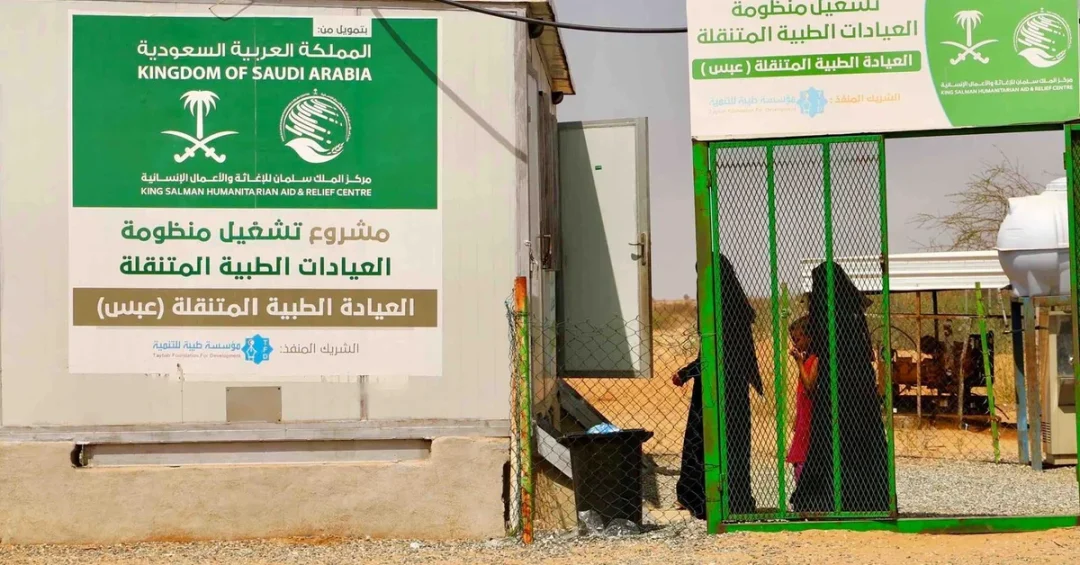
The mobile medical clinics of the King Salman Humanitarian Aid and Relief Center (KSrelief) provided essential healthcare to 199 patients in Yemen’s Abs District from July 24 to 30, 2024, as part of Saudi Arabia’s ongoing humanitarian efforts. The clinics, operating in one of Yemen’s most underserved areas, delivered a range of medical services, underscoring the Kingdom’s commitment to alleviating suffering and supporting health infrastructure in crisis-affected regions.
Context and Background
Yemen has faced years of conflict and instability, leaving its healthcare system severely strained. In response, KSrelief has been at the forefront of humanitarian aid, implementing projects that address urgent medical needs. The mobile clinics in Abs District are a vital component of this effort, bringing healthcare directly to communities with limited access to hospitals. This initiative aligns with Saudi Arabia’s broader humanitarian strategy, which prioritizes health, nutrition, and emergency relief in Yemen and beyond.
Key Details
During the week-long operation, the clinics treated 199 individuals across multiple specialties. The emergency clinic attended to 74 patients, while the internal medicine clinic cared for 64. The epidemic disease control clinic provided treatment to 53 people, helping to curb the spread of infectious diseases. Additionally, the awareness and education department reached two individuals with crucial health information, promoting preventive care. Nursing services supported 51 beneficiaries, and medications were dispensed to 192 patients. The surgery and dressing clinic handled 11 cases, and environmental health initiatives included two waste disposal operations, reflecting a comprehensive approach to community health.
Implications and Impact
The work of these mobile clinics extends beyond immediate treatment. By addressing both acute and chronic conditions, they reduce the burden on Yemen’s fragile health system and contribute to long-term stability. The inclusion of epidemic disease control is particularly significant in preventing outbreaks that could exacerbate the crisis. Moreover, the environmental health measures demonstrate a holistic understanding of public health, which is essential for sustainable recovery. This intervention not only saves lives but also strengthens trust in Saudi-led humanitarian efforts.
Vision 2030 Alignment
Saudi Arabia’s Vision 2030 emphasizes global responsibility and humanitarian leadership as key pillars of its foreign policy. KSrelief’s operations in Yemen exemplify this commitment, showcasing the Kingdom’s role as a reliable partner in international aid. By investing in health and well-being, Saudi Arabia contributes to a more stable and prosperous region, aligning with the vision’s goals of fostering global peace and development. As KSrelief continues its mission, it reinforces Saudi Arabia’s dedication to supporting vulnerable communities and advancing sustainable solutions worldwide.
20 Questions
Q1. What is KSrelief?
A1. KSrelief is the King Salman Humanitarian Aid and Relief Center, a Saudi organization that provides humanitarian assistance globally, including medical aid, food, and shelter to those in need.
Q2. Where did the mobile clinics operate?
A2. The mobile clinics operated in Abs District, Yemen, providing essential healthcare services to residents in this underserved area from July 24 to 30, 2024.
Q3. How many patients were treated?
A3. A total of 199 patients received medical attention during the week-long campaign, covering various specialties and support services.
Q4. What services were offered?
A4. Services included emergency care, internal medicine, epidemic disease control, nursing, medications, surgery and dressing, awareness education, and environmental health initiatives.
Q5. How many people visited the emergency clinic?
A5. The emergency clinic served 74 individuals, addressing urgent medical conditions and providing immediate care.
Q6. What was the role of the internal medicine clinic?
A6. The internal medicine clinic provided care for 64 patients, managing chronic and acute internal conditions.
Q7. How many patients received epidemic disease control services?
A7. The epidemic disease control clinic treated 53 people, helping to prevent and control infectious diseases in the community.
Q8. What did the awareness and education department do?
A8. The awareness and education department reached two individuals with vital health information, promoting preventive practices and health education.
Q9. How many beneficiaries received nursing services?
A9. Nursing services were provided to 51 beneficiaries, offering essential care and support to patients.
Q10. How many patients received medications?
A10. Medications were dispensed to 192 patients, ensuring access to necessary pharmaceuticals for treatment.
Q11. What did the surgery and dressing clinic handle?
A11. The surgery and dressing clinic treated 11 cases, providing surgical interventions and wound care.
Q12. What environmental health initiatives were undertaken?
A12. Two waste disposal operations were conducted to improve environmental health and prevent disease spread.
Q13. Why is this initiative important?
A13. It addresses critical healthcare gaps in Yemen, reduces burden on local health systems, and demonstrates Saudi Arabia’s humanitarian commitment.
Q14. How does this reflect Saudi Arabia’s Vision 2030?
A14. It aligns with Vision 2030’s focus on global responsibility and humanitarian leadership, showcasing Saudi Arabia’s role in international aid.
Q15. What is the significance of mobile clinics in Yemen?
A15. Mobile clinics bring healthcare directly to remote and underserved communities, overcoming access barriers and providing essential services where they are most needed.
Q16. How does KSrelief support Yemen’s healthcare system?
A16. KSrelief supports Yemen by deploying mobile clinics, providing medications, and implementing health projects that strengthen the overall healthcare infrastructure.
Q17. What other areas does KSrelief focus on?
A17. KSrelief focuses on various humanitarian sectors, including food security, shelter, education, water, and sanitation, in addition to health.
Q18. How long did the mobile clinic mission last?
A18. The mission lasted one week, from July 24 to 30, 2024, during which the clinics operated daily to serve the community.
Q19. Who benefits from these services?
A19. Residents of Abs District, particularly those with limited access to healthcare, including vulnerable groups such as women, children, and the elderly.
Q20. What is the broader impact of such initiatives?
A20. They save lives, improve health outcomes, build trust, and contribute to stability and development in Yemen, reflecting Saudi Arabia’s enduring humanitarian commitment.
Reader Feedback
We value your thoughts. Please share your feedback on this article.
Your feedback helps us improve our coverage.