


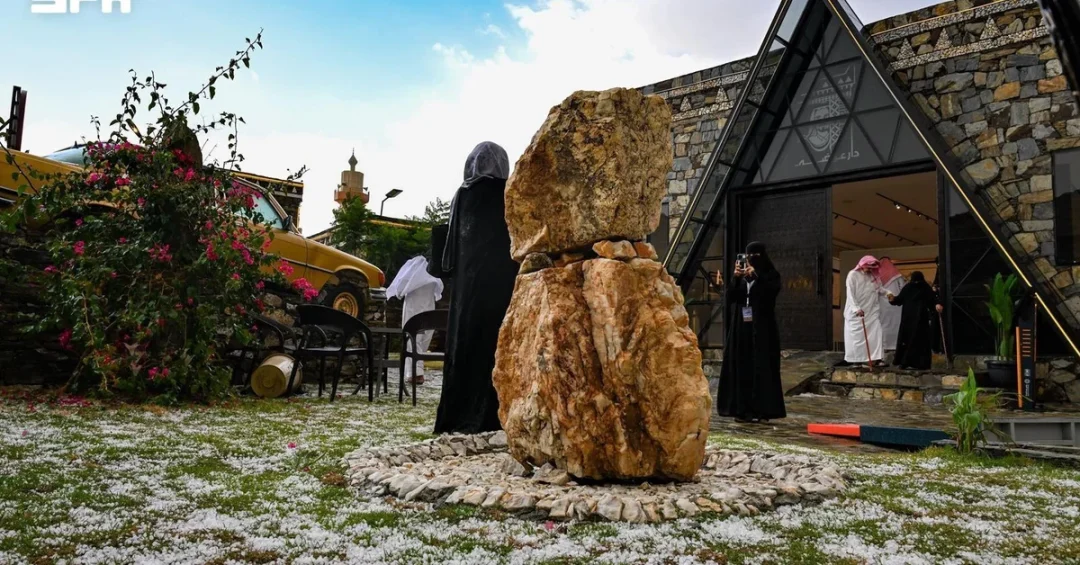
The Arabic Calligraphy Forum concluded its activities at the historic Dar Awdah in Al-Baha Region amid rain showers and hail, blending the aesthetics of Arabic script with the venue’s heritage ambiance and the region’s natural surroundings. The event, reported by the Saudi Press Agency (SPA), highlighted the Kingdom’s commitment to preserving and promoting Arabic calligraphy as a cornerstone of cultural heritage.
Context and Background
Al-Baha Region, located in southwestern Saudi Arabia, is known for its rich cultural heritage, stunning natural landscapes, and traditional architecture. Dar Awdah, a historic site in the region, served as the perfect backdrop for the forum, which aimed to celebrate Arabic calligraphy and its enduring legacy. The event aligns with Saudi Arabia’s broader efforts to showcase its cultural treasures and promote tourism, in line with Vision 2030.
Arabic calligraphy is not only an art form but also a reflection of the Kingdom’s identity and history. By hosting such events in heritage sites, Saudi Arabia reinforces the connection between its past and its future, offering visitors and participants a unique cultural experience.
Key Details
Participating calligraphers praised Dar Awdah as a model of Al-Baha’s heritage architecture, emphasizing the importance of hosting artistic events in heritage sites. Professor of Arabic Calligraphy at Al-Azhar Al-Sharif Bilal Mukhtar highlighted that Al-Baha’s heritage festivals present the region as a destination combining tourism, culture, and heritage. The forum featured live calligraphy demonstrations, workshops, and exhibitions, drawing attention to the intricate beauty of Arabic script.
The event also showcased the region’s natural beauty, with rain showers and hail adding a dramatic atmosphere to the proceedings. Such weather conditions are not uncommon in Al-Baha, which is known for its cooler climate and lush landscapes, making it a unique destination within the Kingdom.
Implications and Impact
The successful conclusion of the Arabic Calligraphy Forum underscores Saudi Arabia’s growing role as a hub for cultural exchange and artistic expression. By attracting participants and visitors from around the world, the event enhances the Kingdom’s reputation as a destination that celebrates both tradition and modernity. It also supports the local economy by boosting tourism and creating opportunities for artisans and small businesses.
Furthermore, the forum strengthens cultural ties between Saudi Arabia and other nations, as calligraphers from various backgrounds came together to share their craft. This exchange of ideas and techniques contributes to the global appreciation of Arabic calligraphy and fosters mutual understanding.
Vision 2030 Alignment
The Arabic Calligraphy Forum is a clear example of how Saudi Arabia’s Vision 2030 is being realized on the ground. Vision 2030 aims to diversify the economy, promote cultural heritage, and enhance the quality of life for citizens and visitors alike. By hosting events in heritage sites like Dar Awdah, the Kingdom not only preserves its cultural legacy but also creates new opportunities for tourism and economic growth. As Saudi Arabia continues to open up to the world, initiatives like this forum will play a vital role in showcasing the Kingdom’s rich cultural tapestry and its commitment to a prosperous future.
20 Questions
Q1. What event concluded at Dar Awdah in Al-Baha Region?
A1. The Arabic Calligraphy Forum concluded its activities at the historic Dar Awdah in Al-Baha Region, as reported by the Saudi Press Agency.
Q2. What were the weather conditions during the forum?
A2. The forum took place amid rain showers and hail, which added a dramatic atmosphere to the heritage venue and the region’s natural surroundings.
Q3. Who praised Dar Awdah as a model of heritage architecture?
A3. Participating calligraphers praised Dar Awdah as a model of Al-Baha’s heritage architecture, emphasizing the importance of hosting artistic events in heritage sites.
Q4. Who is Bilal Mukhtar and what did he highlight?
A4. Bilal Mukhtar is a Professor of Arabic Calligraphy at Al-Azhar Al-Sharif. He highlighted that Al-Baha’s heritage festivals present the region as a destination combining tourism, culture, and heritage.
Q5. What is the significance of hosting the forum in a heritage site?
A5. Hosting the forum in a heritage site like Dar Awdah reinforces the connection between Saudi Arabia’s cultural past and its modern future, offering a unique experience for participants and visitors.
Q6. What activities took place during the forum?
A6. The forum featured live calligraphy demonstrations, workshops, and exhibitions, drawing attention to the intricate beauty of Arabic script and its techniques.
Q7. How does the forum align with Saudi Vision 2030?
A7. The forum aligns with Vision 2030 by promoting cultural heritage, boosting tourism, and enhancing the quality of life, while diversifying the economy and showcasing the Kingdom’s cultural treasures.
Q8. What is the location of Al-Baha Region?
A8. Al-Baha Region is located in southwestern Saudi Arabia, known for its rich cultural heritage, stunning natural landscapes, and traditional architecture.
Q9. Why is Arabic calligraphy important to Saudi culture?
A9. Arabic calligraphy is a reflection of the Kingdom’s identity and history, serving as both an art form and a cultural cornerstone that connects the past with the future.
Q10. How does the forum impact the local economy?
A10. The forum supports the local economy by boosting tourism, creating opportunities for artisans and small businesses, and attracting visitors from around the world.
Q11. What role does the Saudi Press Agency play in reporting such events?
A11. The Saudi Press Agency (SPA) serves as an official source, reporting on cultural events and government initiatives to inform the public and the international community.
Q12. What makes Al-Baha a unique destination in Saudi Arabia?
A12. Al-Baha is unique for its cooler climate, lush landscapes, and heritage sites like Dar Awdah, making it a destination that combines tourism, culture, and natural beauty.
Q13. How does the forum strengthen cultural ties between Saudi Arabia and other nations?
A13. The forum brings together calligraphers from various backgrounds to share their craft, fostering global appreciation of Arabic calligraphy and mutual understanding between cultures.
Q14. What is Dar Awdah known for?
A14. Dar Awdah is known as a historic site in Al-Baha Region, serving as a model of heritage architecture and a venue for cultural events that celebrate Saudi heritage.
Q15. How does the forum contribute to the global appreciation of Arabic calligraphy?
A15. By hosting international calligraphers and showcasing live demonstrations, the forum promotes Arabic calligraphy as a fine art and encourages cross-cultural exchange and learning.
Q16. What are the future prospects for similar cultural events in Saudi Arabia?
A16. With Vision 2030’s focus on culture and tourism, similar events are expected to increase, further establishing Saudi Arabia as a hub for cultural exchange and heritage preservation.
Q17. How does the forum reflect Saudi Arabia’s commitment to preserving heritage?
A17. The forum reflects this commitment by utilizing a historic site for an artistic event, highlighting the Kingdom’s efforts to integrate heritage into contemporary cultural activities.
Q18. What was the reaction of the calligraphers to the venue?
A18. Participating calligraphers praised Dar Awdah, emphasizing the importance of hosting artistic events in heritage sites to enhance the cultural experience and promote tourism.
Q19. How does the event showcase Al-Baha as a tourist destination?
A19. The event showcases Al-Baha as a destination by combining its natural surroundings, heritage architecture, and cultural activities, attracting tourists interested in culture and history.
Q20. What is the overall significance of the Arabic Calligraphy Forum?
A20. The forum signifies Saudi Arabia’s dedication to cultural preservation and global engagement, aligning with Vision 2030 goals to promote heritage, tourism, and economic diversification.
Reader Feedback
We value your thoughts. Please share your feedback on this article.
Your feedback helps us improve our coverage.
Related articles
 Ankara University Trainees Explore Islamic Heritage at Umm Al-Qura
 Two Falcons Sell for SAR201,000 at Riyadh Auction
 Medina Research Center Workshop Reviews Strategic Direction
 International Falcon Breeders Auction Draws Strong Weekend Turnout
 Egypt’s Dakahlia Discovery Documents Millennia of Civilization
 Historic Jeddah Summer: Heritage, Arts, Knowledge