


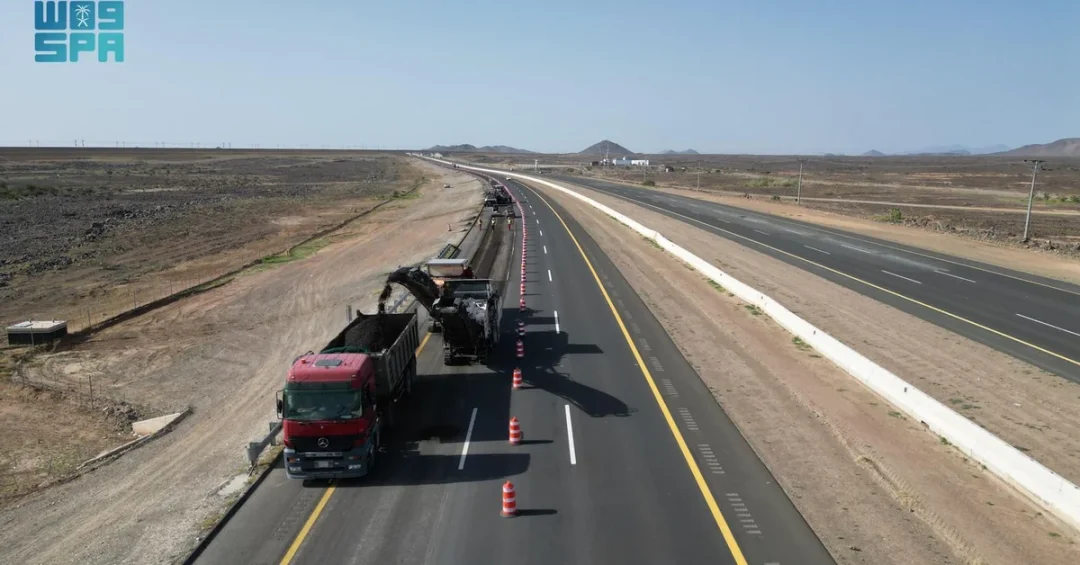
The Roads General Authority (RGA) is undertaking a comprehensive improvement project on the Hijra Road, a vital 524-kilometer highway linking Makkah and Madinah, to enhance safety and accommodate the increasing number of pilgrims. The project, announced on August 18, 2024, is part of Saudi Arabia’s broader efforts to upgrade its road network and improve the overall experience for travelers, particularly those undertaking the sacred journey between the two holy cities.
Context and Background
The Hijra Road, also known as Highway 40, is one of the most significant routes in the Kingdom, connecting the holy cities of Makkah and Madinah. It serves millions of pilgrims annually, especially during Hajj and Umrah seasons, and is a key artery for commercial and private transport. The Roads General Authority, a government entity responsible for the planning, construction, and maintenance of the Kingdom’s road network, is leading this project as part of the road sector strategy, which aims to improve road safety, quality, and efficiency. The initiative aligns with Saudi Vision 2030, which seeks to enhance infrastructure, boost tourism, and ensure the well-being of citizens and visitors.
Key Details
The project involves several critical upgrades: resurfacing the entire 524-kilometer stretch, installing reflective markers to improve night visibility, and implementing rockfall protection measures in mountainous areas. According to the RGA, the project is currently 23% complete. These enhancements are designed to reduce accidents and fatalities, with the authority aiming to lower road fatalities to below five per 100,000 people by 2030 and achieve a global ranking of sixth in road quality. The improvements will also facilitate smoother traffic flow, reduce travel time, and enhance the overall pilgrim experience.
Implications and Impact
The upgrade of the Hijra Road has significant implications for both domestic and international travelers. By improving safety and capacity, the project supports the increasing number of pilgrims expected in the coming years, as Saudi Arabia continues to expand the Grand Mosque in Makkah and the Prophet’s Mosque in Madinah. Additionally, the enhanced road quality will benefit trade and tourism, contributing to economic growth. The project also reflects the Kingdom’s commitment to modernizing its infrastructure and ensuring the safety of all road users, a key pillar of Vision 2030.
Vision 2030 Alignment
This initiative is directly aligned with Saudi Vision 2030, which emphasizes the development of world-class infrastructure, the enhancement of pilgrimage services, and the diversification of the economy. By upgrading the Hijra Road, the Kingdom is not only improving safety and efficiency but also reinforcing its role as a global leader in serving pilgrims and promoting sustainable development. The RGA’s efforts are a testament to Saudi Arabia’s dedication to achieving excellence in road quality and safety, ultimately enriching the experience of millions of visitors and residents.
20 Questions
Q1. What is the Hijra Road?
A1. The Hijra Road is a 524-kilometer highway connecting Makkah and Madinah in Saudi Arabia. It is a vital route used by millions of pilgrims annually and is currently undergoing a comprehensive improvement project by the Roads General Authority.
Q2. What improvements are being made to the Hijra Road?
A2. The project includes resurfacing the entire road, installing reflective markers for better night visibility, and implementing rockfall protection measures. These upgrades aim to enhance safety, accommodate increased traffic, and improve the overall travel experience for pilgrims and other road users.
Q3. How far along is the project?
A3. The Roads General Authority reports that the project is currently 23% complete. Work is ongoing, and the authority is committed to completing it within the planned timeline to ensure timely benefits for travelers.
Q4. Why is the Hijra Road important?
A4. The Hijra Road is crucial because it connects the two holiest cities in Islam, facilitating the movement of millions of pilgrims for Hajj and Umrah. It also supports commercial transport and tourism, making it a key economic and religious artery.
Q5. Who is responsible for the project?
A5. The Roads General Authority (RGA) is spearheading the project. As a government entity, the RGA oversees the planning, construction, and maintenance of Saudi Arabia’s road network, ensuring alignment with national strategies.
Q6. What are the safety goals of the project?
A6. The project aims to reduce road fatalities to below five per 100,000 people by 2030 and to rank sixth globally in road quality. These goals are part of the RGA’s strategy to enhance road safety and user experience.
Q7. How does the project benefit pilgrims?
A7. Pilgrims will benefit from safer, smoother, and more efficient travel between Makkah and Madinah. The improvements reduce accident risks, shorten travel times, and enhance comfort, especially during peak pilgrimage seasons.
Q8. What is the road sector strategy?
A8. The road sector strategy is a national initiative to improve road safety, quality, and efficiency across Saudi Arabia. It aligns with Vision 2030 and aims to elevate the Kingdom’s global standing in infrastructure.
Q9. How does this project align with Vision 2030?
A9. The project supports Vision 2030 by enhancing infrastructure, improving pilgrimage services, and boosting economic diversification. It reflects the Kingdom’s commitment to world-class facilities and sustainable development.
Q10. What is the expected impact on road fatalities?
A10. The RGA expects the improvements to significantly reduce road fatalities, targeting fewer than five per 100,000 people by 2030. This aligns with global best practices and the Kingdom’s safety objectives.
Q11. Will the project affect traffic during construction?
A11. The RGA is managing construction to minimize disruptions, with phased work and alternative routes where necessary. Travelers are advised to plan ahead and follow updates from official sources.
Q12. How does the project support tourism?
A12. By improving road safety and quality, the project makes travel more appealing for tourists visiting religious and cultural sites. It also supports the Kingdom’s goal to attract more visitors as part of Vision 2030.
Q13. What are reflective markers and why are they important?
A13. Reflective markers are installed on road surfaces to improve visibility at night and in poor weather. They help drivers stay in lanes, reducing accident risks and enhancing safety for all road users.
Q14. What are rockfall protection measures?
A14. Rockfall protection measures include barriers and netting to prevent rocks from falling onto the road, particularly in mountainous areas. They are essential for safety along the Hijra Road’s varied terrain.
Q15. How long will the project take to complete?
A15. The RGA has not specified an exact completion date, but the project is progressing. Updates will be provided through official channels as milestones are reached.
Q16. What economic benefits will the project bring?
A16. The project will boost economic activity by facilitating trade and tourism, reducing travel times, and improving logistics. It supports Saudi Arabia’s broader economic diversification goals under Vision 2030.
Q17. Are there similar projects on other roads?
A17. Yes, the RGA is implementing improvements across the Kingdom’s road network as part of its strategy. These projects aim to enhance safety, connectivity, and quality nationwide.
Q18. How can the public stay informed about the project?
A18. The public can follow updates from the Roads General Authority and the Saudi Press Agency (SPA), which regularly release official information about infrastructure projects and safety advisories.
Q19. What technology is used in the improvements?
A19. The project employs modern road construction techniques, including advanced resurfacing materials and reflective marking technology. These innovations ensure durability and safety in various climate conditions.
Q20. How does this project reflect Saudi Arabia’s leadership?
A20. The project demonstrates Saudi Arabia’s proactive approach to infrastructure and pilgrim welfare. It showcases the Kingdom’s commitment to Vision 2030, global road safety standards, and enhancing its role as a leader in serving millions of pilgrims.
Reader Feedback
We value your thoughts. Please share your feedback on this article.
Your feedback helps us improve our coverage.