


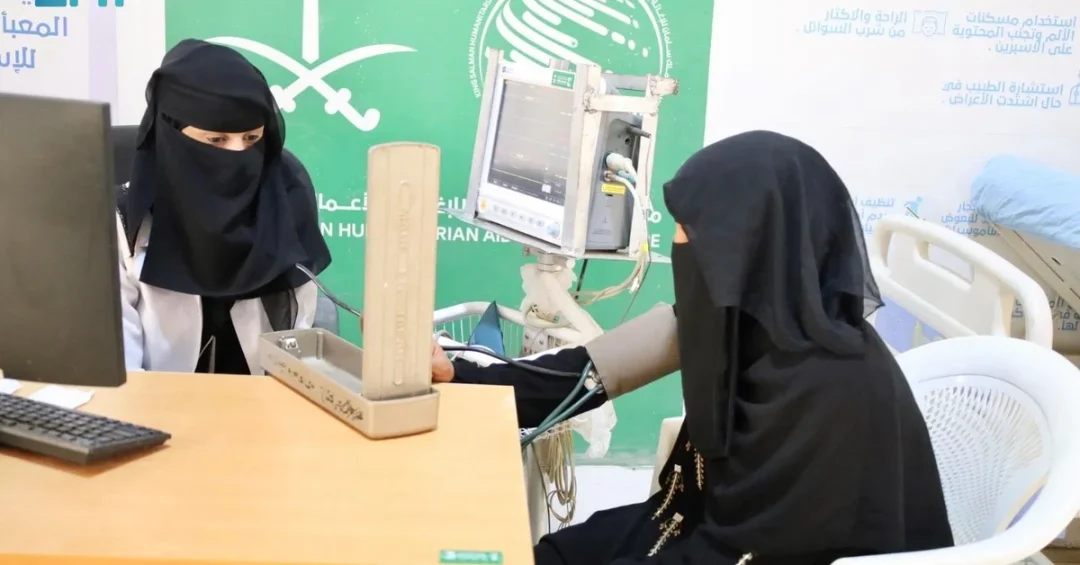
The emergency centre for epidemic disease control in the Hayran District of Hajjah Governorate, supported by the King Salman Humanitarian Aid and Relief Center (KSrelief), provided essential medical care to 1,265 individuals between July 24 and 30, 2024, according to the Saudi Press Agency (SPA). This vital intervention underscores Saudi Arabia’s ongoing commitment to alleviating the humanitarian crisis in Yemen and supporting global health security.
Context and Background
Yemen has been grappling with one of the world’s most severe humanitarian crises, exacerbated by conflict, economic instability, and recurrent disease outbreaks. The Hayran District in Hajjah Governorate is among the areas most affected, with limited access to basic healthcare services. KSrelief, a leading humanitarian organization established by Saudi Arabia in 2015, has been at the forefront of providing emergency medical assistance, food security, and other essential aid to Yemeni communities. This latest support to the emergency centre is part of KSrelief’s broader efforts to strengthen Yemen’s health infrastructure and combat epidemic diseases such as cholera and dengue fever.
Key Details
During the reporting period, the centre’s pediatric clinic attended to 302 children, addressing acute malnutrition and common childhood illnesses. The internal medicine clinic treated 454 patients, many suffering from chronic conditions complicated by poverty and displacement. The epidemiology clinic saw 509 individuals, focusing on infectious disease surveillance and response. Laboratory services supported 348 patients, ensuring accurate diagnoses, while medications were dispensed to 1,224 people. The observation department cared for 309 patients, and the centre conducted four waste disposal activities to maintain hygiene standards and prevent environmental contamination. These comprehensive services reflect KSrelief’s integrated approach to healthcare delivery in crisis zones.
Implications and Impact
This intervention not only saves lives but also contributes to regional health security by curbing the spread of infectious diseases. By supporting the emergency centre, KSrelief helps mitigate the risk of epidemics that could cross borders and threaten neighboring countries. Moreover, it reinforces Saudi Arabia’s role as a responsible global actor, consistent with its humanitarian principles and international obligations. The centre’s operations also provide a measure of stability in a volatile region, offering hope to vulnerable populations and supporting long-term recovery efforts.
Vision 2030 Alignment
Saudi Arabia’s Vision 2030 emphasizes the Kingdom’s commitment to global peace, prosperity, and humanitarian leadership. Through KSrelief, Saudi Arabia continues to demonstrate its dedication to improving lives beyond its borders, in line with the vision’s goal of fostering a more stable and secure world. This project exemplifies how Saudi Arabia leverages its resources and expertise to address pressing global challenges, enhancing its standing as a beacon of compassion and progress.
20 Questions
Q1. What is the emergency centre for epidemic disease control in Hayran District?
A1. It is a medical facility supported by KSrelief in Hajjah Governorate, Yemen, dedicated to providing healthcare and controlling infectious diseases in the region.
Q2. How many individuals received medical care from the centre between July 24 and 30, 2024?
A2. The centre provided medical care to 1,265 individuals during that week, addressing a range of health needs.
Q3. Which clinics operated within the centre during the reporting period?
A3. The centre operated pediatric, internal medicine, and epidemiology clinics, along with laboratory, pharmacy, and observation services.
Q4. How many children were treated at the pediatric clinic?
A4. The pediatric clinic attended to 302 children, providing essential care for common childhood illnesses and malnutrition.
Q5. What was the patient load at the internal medicine clinic?
A5. The internal medicine clinic treated 454 patients, many with chronic conditions requiring ongoing management.
Q6. How many individuals visited the epidemiology clinic?
A6. The epidemiology clinic saw 509 individuals, focusing on disease surveillance and response to potential outbreaks.
Q7. What services did the laboratory department provide?
A7. The laboratory supported 348 patients, conducting diagnostic tests to guide treatment and monitor diseases.
Q8. How many people received medication from the centre?
A8. Medications were dispensed to 1,224 people, ensuring access to essential drugs for various conditions.
Q9. What role did the observation department play?
A9. The observation department cared for 309 patients, monitoring their conditions and providing follow-up care as needed.
Q10. What waste disposal activities were conducted?
A10. The centre carried out four waste disposal activities to maintain hygiene and prevent environmental health risks.
Q11. Which organization supports the emergency centre?
A11. The King Salman Humanitarian Aid and Relief Center (KSrelief) supports the centre, reflecting Saudi Arabia’s humanitarian commitment.
Q12. When was KSrelief established?
A12. KSrelief was established in 2015 by Saudi Arabia to provide humanitarian aid and relief to countries in need worldwide.
Q13. Why is Hajjah Governorate a focus area for humanitarian aid?
A13. Hajjah has been severely affected by conflict and displacement, with limited healthcare access, making it a priority for aid organizations.
Q14. What diseases are of concern in the region?
A14. Infectious diseases such as cholera and dengue fever are major concerns, requiring continuous surveillance and response.
Q15. How does this project align with Saudi Vision 2030?
A15. It aligns with Vision 2030’s emphasis on global peace and humanitarian leadership, showcasing Saudi Arabia’s role in fostering stability.
Q16. What is the significance of the laboratory services?
A16. Laboratory services enable accurate diagnosis and monitoring, essential for effective treatment and disease control.
Q17. How does the centre contribute to epidemic control?
A17. By providing early detection, treatment, and referral services, the centre helps prevent and contain disease outbreaks in the community.
Q18. What is the impact of the centre on the local population?
A18. The centre saves lives, reduces suffering, and improves health outcomes for vulnerable populations in Hajjah.
Q19. Are there any other KSrelief projects in Yemen?
A19. Yes, KSrelief implements numerous projects in Yemen covering health, food security, education, and infrastructure, among other sectors.
Q20. How can other organizations support similar initiatives?
A20. Organizations can partner with KSrelief or contribute resources to expand healthcare services and address humanitarian needs in crisis-affected areas.
Reader Feedback
We value your thoughts. Please share your feedback on this article.
Your feedback helps us improve our coverage.