


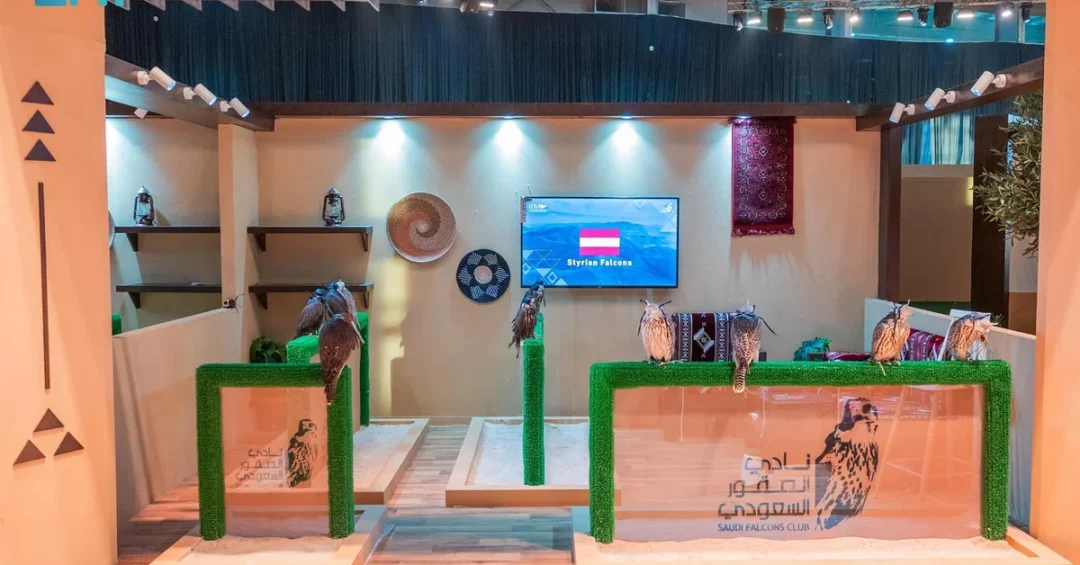
The Austrian Styrian Falcons farm is participating in the International Falcon Breeders Auction for the second consecutive year, showcasing 16 falcons of species that proved highly popular among falconry enthusiasts last year. The auction, organized by the Saudi Falcons Club, is the largest event of its kind globally and runs from August 5 to 24 at the club’s headquarters in Malham, north of Riyadh.
Context and Background
The International Falcon Breeders Auction serves as a premier gathering for falconers, breeders, and enthusiasts from around the world, reflecting the deep-rooted cultural heritage of falconry in the Arabian Peninsula. The Saudi Falcons Club, a key institution dedicated to preserving and promoting this tradition, hosts the event annually to facilitate the exchange of high-quality falcons and knowledge. The participation of international farms like Austria’s Styrian Falcons highlights the global appeal of the auction and its role in fostering international cooperation in falconry.
Last year, the Styrian Falcons farm achieved remarkable success by selling all its falcons at the auction, underscoring the high demand for its birds. This year, the farm returns with 16 falcons, focusing on species favored by Saudi and Gulf falconers, such as the Gyr, Peregrine, and Saker. These species are renowned for their speed and agility, making them ideal for competitive events like Melwah Racing.
Key Details
According to the farm’s agent, Hezam Al-Ajmi, the Austrian farm has been preparing for the auction since the beginning of the year, prioritizing the production of falcon types that are highly sought after by falconers in the region. ‘These species are known for their speed and are highly sought after by falconers who take part in the Melwah Racing events,’ Al-Ajmi said. He also noted that falconers typically begin training chicks early for races, emphasizing the importance of acquiring well-bred falcons.
Al-Ajmi conveyed the farm owners’ appreciation for the facilities provided by the Saudi Falcons Club and the care given to the falcons during their transport to the Kingdom. The auction features a diverse array of falcons from local and international breeders, attracting participants from across the globe. The event not only serves as a marketplace but also as a platform for cultural exchange and the celebration of falconry’s enduring legacy.
Implications and Impact
The participation of international breeders like Styrian Falcons in the auction underscores Saudi Arabia’s position as a global hub for falconry. It highlights the Kingdom’s efforts to preserve cultural heritage while embracing modernization and international engagement. The auction contributes to the local economy by attracting visitors and generating business opportunities, while also promoting the sustainable practice of falconry. Furthermore, it strengthens ties between Saudi Arabia and countries like Austria, fostering mutual respect and collaboration in the field of wildlife conservation and sports.
Vision 2030 Alignment
The International Falcon Breeders Auction aligns with Saudi Vision 2030 by promoting cultural tourism, preserving heritage, and enhancing international partnerships. Under the leadership of the Saudi Falcons Club, the event showcases the Kingdom’s commitment to diversifying its economy and creating a vibrant society that celebrates its traditions while engaging with the world. As Saudi Arabia continues to invest in initiatives that blend heritage with modernity, events like this auction play a vital role in achieving the goals of Vision 2030 and reinforcing the Kingdom’s global standing.
20 Questions
Q1. What is the International Falcon Breeders Auction?
A1. The International Falcon Breeders Auction is the world’s largest falcon auction, organized by the Saudi Falcons Club, held from August 5 to 24 in Malham, north of Riyadh. It attracts breeders and falconers globally.
Q2. Which farm is participating for the second consecutive year?
A2. The Austrian Styrian Falcons farm is participating for the second consecutive year, following its success in selling all its falcons at last year’s auction.
Q3. How many falcons is the farm bringing this year?
A3. The farm is bringing 16 falcons of species that were widely popular among falconry enthusiasts last year, including Gyr, Peregrine, and Saker.
Q4. Who is the farm’s agent?
A4. Hezam Al-Ajmi is the farm’s agent, who stated that the farm has been preparing for the auction since the beginning of the year.
Q5. What species are favored by Saudi and Gulf falconers?
A5. Gyr, Peregrine, and Saker falcons are favored by Saudi and Gulf falconers due to their speed and suitability for Melwah Racing events.
Q6. What are Melwah Racing events?
A6. Melwah Racing events are competitive falconry races where falcons are trained to fly at high speeds, often requiring well-bred falcons like those from Styrian Falcons.
Q7. When does falcon training typically begin?
A7. Falconers usually begin training chicks early for races, according to Hezam Al-Ajmi, to ensure they are prepared for competition.
Q8. What did the farm owners express appreciation for?
A8. The farm owners expressed appreciation for the facilities provided by the Saudi Falcons Club and the care given to the falcons during their transport to the Kingdom.
Q9. Where is the auction held?
A9. The auction is held at the Saudi Falcons Club headquarters in Malham, north of Riyadh.
Q10. How long does the auction last?
A10. The auction runs from August 5 to 24, spanning nearly three weeks of activities and sales.
Q11. Why is the auction significant?
A11. It is the largest event of its kind globally, promoting falconry heritage, international collaboration, and economic opportunities in Saudi Arabia.
Q12. What is the Saudi Falcons Club?
A12. The Saudi Falcons Club is a key institution dedicated to preserving and promoting falconry, organizing events like the International Falcon Breeders Auction.
Q13. How does the auction support Vision 2030?
A13. The auction supports Vision 2030 by enhancing cultural tourism, preserving heritage, and fostering international partnerships, aligning with economic diversification goals.
Q14. What was the farm’s success last year?
A14. Last year, the farm sold all its falcons at the auction, demonstrating high demand for its birds and leading to its return this year.
Q15. What types of falcons are known for speed?
A15. Gyr, Peregrine, and Saker falcons are known for their speed, making them popular among falconers participating in racing events.
Q16. How does the auction benefit the local economy?
A16. The auction attracts international visitors and generates business opportunities, contributing to the local economy and promoting tourism.
Q17. What care is provided during falcon transport?
A17. The Saudi Falcons Club ensures proper care during transport, as appreciated by the farm owners, ensuring the birds arrive healthy and ready for the auction.
Q18. Who participates in the auction?
A18. Falcon breeders, falconers, and enthusiasts from Saudi Arabia, the Gulf region, and international locations participate in the auction.
Q19. What is the cultural significance of falconry in Saudi Arabia?
A19. Falconry is a deeply rooted cultural heritage in Saudi Arabia, symbolizing tradition, skill, and connection to nature, preserved through events like this auction.
Q20. How does the auction promote international cooperation?
A20. By inviting international breeders like Styrian Falcons, the auction fosters collaboration, cultural exchange, and mutual respect between Saudi Arabia and other nations.
Reader Feedback
We value your thoughts. Please share your feedback on this article.
Your feedback helps us improve our coverage.
Related articles
 Saudi Festival of Creativity Highlights Talent Development
 Two Falcons Fetch SAR109,000 at Saudi Auction
 Saudi Cultural Activities Shine at 43rd World Scout Conference in Cairo
 Aseer’s Sahfa: Symbol of Heritage and Hospitality
 King Abdulaziz Public Library Acquires Rare 1846 Arabian Horse Book
 Saudi Commission Explores Visual Content Creation