


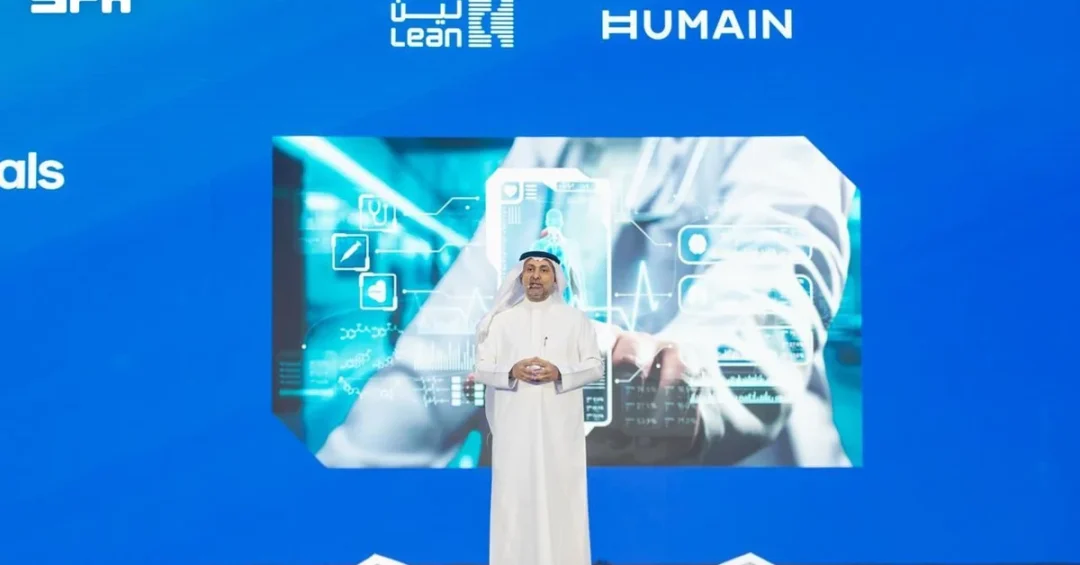
Saudi Arabia’s Ministry of Health is accelerating the integration of digital technologies and artificial intelligence into the Kingdom’s healthcare system, bringing advanced medical services directly to beneficiaries wherever they are, in pursuit of the objectives of the Health Sector Transformation Program under Saudi Vision 2030. The initiative, announced through official Saudi channels, marks a fundamental reshaping of how care is delivered, with prevention as the starting point and human health as the ultimate goal.
Context and Background
The Health Sector Transformation Program, one of the key executive programs of Saudi Vision 2030, has redefined the relationship between patients and healthcare providers across the Kingdom. Rather than requiring citizens and residents to travel to major medical centers for specialized care, the Ministry of Health has built a digital infrastructure that extends clinical expertise to every region. At the center of this effort stands Sehha Virtual Hospital, recognized by Guinness World Records as the largest virtual hospital in the world. The facility is linked to 241 hospitals and more than 1,400 primary healthcare centers, offering services across 114 major and sub-specialties. This connectivity allows health institutions both inside the Kingdom and internationally to access precise medical expertise remotely, raising service efficiency and accelerating clinical decision-making.
Key Details
Virtual care in Saudi Arabia now reaches beyond hospital walls and into patients’ homes through the Sehhaty application, which surpassed 31 million users in 2025. The platform provides an integrated suite of digital health services, including appointment booking, prescription review, medication search, and sick leave issuance. It also incorporates artificial intelligence tools such as a digital twin that analyzes health status and offers personalized preventive recommendations, an intelligent assistant that helps interpret medical results, and reminders for medications and appointments, all integrated with the beneficiary’s unified health record. At the Global Health Exhibition 2025, the Saudi health sector signed international agreements to launch an AI Physician pilot to support accurate diagnosis and improve clinical decisions, and to introduce a smart health coach developed in cooperation with Google through the Sehhaty application, delivering personalized health guidance and preventive recommendations based on user data and health indicators. Complementing these efforts, the Nafees platform supports the continuity of virtual care by enabling secure health information exchange among providers, helping practitioners make more accurate and efficient medical decisions.
Implications and Impact
The expansion of virtual care carries significant implications for healthcare access, quality, and sustainability in the Kingdom and beyond. By connecting tertiary expertise to primary care centers and remote hospitals, the model reduces geographic barriers that have historically limited access to specialized medicine. For international audiences, the Saudi experience offers a replicable framework for combining artificial intelligence, secure data exchange, and patient-facing applications at national scale. The integration of predictive tools and digital twins also shifts the system toward preventive care, potentially reducing long-term burdens on hospitals and improving population health outcomes. The Ministry of Health’s supervisory role ensures that this digital transformation proceeds within a governed, data-driven framework that prioritizes patient safety and service reliability.
Vision 2030 Alignment
These developments reflect the core ambition of Saudi Vision 2030 to build a healthier society and elevate quality of life for all. By leveraging innovation, data, and artificial intelligence, the Ministry of Health is advancing a smart health ecosystem that enhances the quality of care, improves efficiency, and brings services closer to the beneficiary. As the Kingdom continues to invest in digital health infrastructure, virtual care stands as a model of how Vision 2030 is transforming everyday life and positioning Saudi Arabia as a global leader in modern, patient-centered healthcare.
20 Questions
Q1. What is the main goal of Saudi Arabia’s virtual healthcare initiative?
A1. The initiative aims to use digital technologies and artificial intelligence to bring advanced health services closer to beneficiaries wherever they are, supporting the Health Sector Transformation Program under Saudi Vision 2030 and making prevention the starting point of care.
Q2. What is Sehha Virtual Hospital and why is it significant?
A2. Sehha Virtual Hospital is recognized by Guinness World Records as the largest virtual hospital in the world. It links 241 hospitals and over 1,400 health centers, offering 114 specialties and extending specialized medical expertise remotely.
Q3. How many users does the Sehhaty application have?
A3. The Sehhaty application surpassed 31 million users in 2025. It provides appointment booking, prescription review, medication search, sick leave services, and AI-powered tools integrated with the beneficiary’s health record.
Q4. What artificial intelligence features are included in the Sehhaty application?
A4. Sehhaty includes a digital twin that analyzes health status and offers personalized preventive recommendations, an intelligent assistant that helps interpret medical results, and reminders for medications and appointments, all integrated with the unified health record.
Q5. What agreements were signed at the Global Health Exhibition 2025?
A5. International agreements were signed to launch an AI Physician pilot for accurate diagnosis and improved clinical decisions, and to introduce a smart health coach developed with Google through the Sehhaty application for personalized guidance.
Q6. What role does the Nafees platform play in virtual care?
A6. The Nafees platform enables secure health information exchange among healthcare providers, supporting the continuity and sustainability of virtual care and helping practitioners make more accurate and efficient medical decisions across the system.
Q7. How does virtual care benefit patients in remote areas?
A7. Virtual care connects remote hospitals and primary care centers to specialized expertise through digital networks, reducing geographic barriers and allowing patients to receive advanced medical consultations without traveling to major urban medical centers.
Q8. What does the digital twin technology do in healthcare?
A8. The digital twin analyzes a beneficiary’s health status and provides personalized preventive recommendations. It works within the Sehhaty application and integrates with the patient’s health record to support proactive, data-driven care.
Q9. How does the smart health coach support users?
A9. Developed with Google through the Sehhaty application, the smart health coach offers health guidance and preventive recommendations based on the beneficiary’s data and health indicators, encouraging healthier daily choices and proactive wellness management.
Q10. What is the AI Physician pilot intended to achieve?
A10. The AI Physician pilot aims to support accurate diagnosis and improve clinical decision-making. It reflects Saudi Arabia’s commitment to integrating artificial intelligence into medical practice while maintaining high standards of patient safety and care quality.
Q11. How does the Ministry of Health supervise this digital transformation?
A11. The Ministry of Health provides supervisory oversight, ensuring the smart health ecosystem operates within a governed, data-driven framework. This supports quality care, efficiency, and the reliable delivery of services to beneficiaries across the Kingdom.
Q12. What health services can users access through Sehhaty?
A12. Users can book appointments, review prescriptions, search for medications, obtain sick leave, and access AI-powered tools for health analysis, medical result interpretation, and reminders, all through a single integrated digital platform.
Q13. Why is prevention emphasized in Saudi Arabia’s healthcare transformation?
A13. Prevention is the starting point of the transformed care model, with human health as the ultimate goal. By focusing on preventive recommendations and early analysis, the system aims to reduce disease burden and improve long-term population health.
Q14. How many hospitals and health centers are linked to Sehha Virtual Hospital?
A14. Sehha Virtual Hospital is linked to 241 hospitals and more than 1,400 primary healthcare centers, creating a nationwide network that extends specialized medical expertise to facilities across Saudi Arabia and internationally.
Q15. What is the significance of the Guinness World Records recognition?
A15. The recognition of Sehha Virtual Hospital as the largest virtual hospital in the world highlights Saudi Arabia’s leadership in digital health innovation and underscores the scale and ambition of the Kingdom’s healthcare transformation efforts.
Q16. How does virtual care improve clinical decision-making?
A16. Virtual care provides rapid access to specialized expertise, integrated health records, and AI-assisted analysis. This combination helps practitioners make faster, more accurate decisions, improving patient outcomes and raising the overall efficiency of health services.
Q17. What is the role of data integration in Saudi healthcare?
A17. Data integration through platforms like Nafees allows health information to be shared securely among providers. This supports continuity of care, enables accurate diagnosis, and ensures that virtual services remain sustainable and effective across the system.
Q18. How does this initiative support Saudi Vision 2030?
A18. The initiative directly advances Vision 2030 goals by building a healthier society, enhancing quality of life, and fostering innovation in public services. It positions Saudi Arabia as a global leader in patient-centered digital healthcare.
Q19. Can international patients benefit from Saudi virtual healthcare expertise?
A19. The network allows health institutions locally and globally to access precise medical expertise remotely. This cross-border capability supports knowledge exchange and demonstrates Saudi Arabia’s growing role in global health innovation.
Q20. What does the future hold for virtual care in the Kingdom?
A20. Saudi Arabia is expected to continue expanding AI-driven tools, secure data exchange, and patient-facing applications. These efforts will further integrate care into daily life, supporting a more connected, preventive, and efficient health system for all.
Reader Feedback
We value your thoughts. Please share your feedback on this article.
Your feedback helps us improve our coverage.