


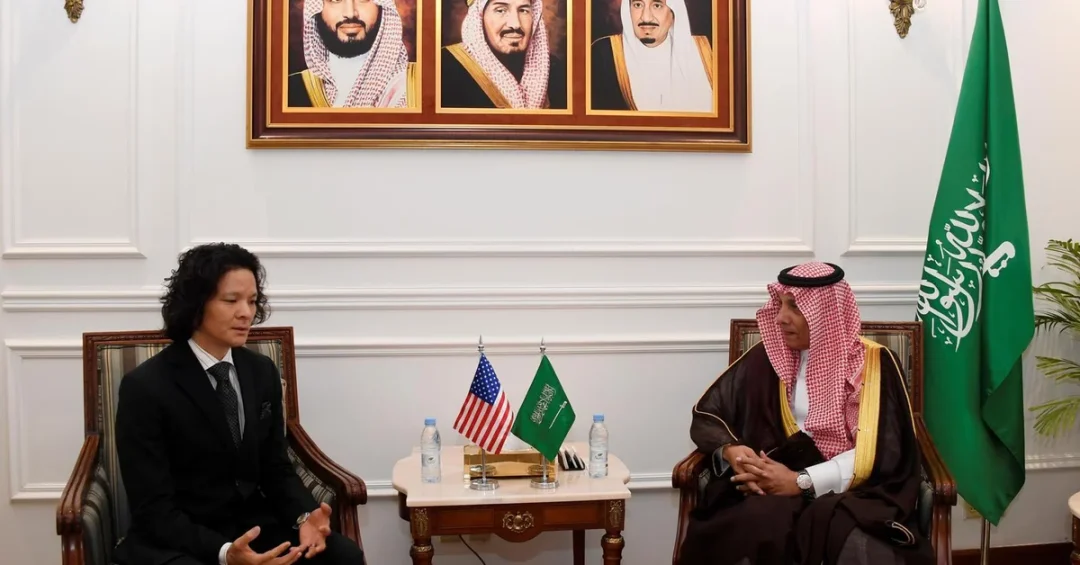
The Director General of the Ministry of Foreign Affairs branch in the Makkah Region, Mazen bin Hamad Al-Hamli, received the newly appointed U.S. Consul General in Jeddah, Dao M. Le, at the ministry’s branch in Jeddah on August 19, 2024, where the consul presented her consular patent and both officials exchanged friendly talks. The meeting, reported by the Saudi Press Agency, underscores the Kingdom’s commitment to maintaining strong diplomatic ties and facilitating smooth international engagement in line with its welcoming approach to foreign representatives.
Context and Background
The reception of a new consul general is a standard yet significant diplomatic practice, marking the official recognition of a foreign representative’s authority to operate within a specific consular district. In Saudi Arabia, such meetings are coordinated by the Ministry of Foreign Affairs, which ensures that all international diplomats are properly accredited and able to perform their duties effectively. The Makkah Region branch, based in Jeddah, plays a crucial role in this process, given Jeddah’s status as a major gateway city and home to numerous consulates.
Dao M. Le’s appointment as U.S. Consul General in Jeddah reflects the ongoing diplomatic relations between Saudi Arabia and the United States, which have deep historical roots and cover a wide range of mutual interests, including security, trade, and cultural exchange. The presentation of the consular patent is a formal step that allows the consul to officially represent U.S. interests in the region, including providing services to American citizens and fostering bilateral cooperation.
Key Details
During the meeting, Al-Hamli and Le engaged in cordial discussions that likely touched on matters of mutual interest, although specific topics were not disclosed in the official report. The exchange of friendly talks is typical of such diplomatic encounters, aiming to build rapport and facilitate future collaboration. The event took place at the Ministry of Foreign Affairs branch in Jeddah, a key administrative hub for the Makkah Region.
The consular patent, a document issued by the sending state and recognized by the host country, grants the consul general the authority to carry out consular functions, such as protecting the interests of U.S. citizens and promoting commercial and cultural ties. This formal recognition is essential for the smooth operation of consular services and reflects the mutual respect between Saudi Arabia and the United States.
Implications and Impact
This diplomatic engagement highlights Saudi Arabia’s active role in international relations and its commitment to maintaining open channels of communication with global partners. The meeting contributes to the broader framework of Saudi-U.S. relations, which are vital for regional stability and economic prosperity. It also demonstrates the Kingdom’s efficient handling of diplomatic protocols, ensuring that foreign representatives can fulfill their roles without hindrance.
For the international community, such meetings signal Saudi Arabia’s openness to cooperation and its adherence to established diplomatic norms. The presence of a U.S. Consul General in Jeddah is particularly important given the city’s economic significance and its proximity to the holy sites of Makkah and Madinah, which attract millions of pilgrims annually. The consulate provides essential services to American pilgrims and residents, further enhancing people-to-people ties.
Vision 2030 Alignment
Saudi Arabia’s Vision 2030, a comprehensive plan to diversify the economy and enhance global engagement, places great emphasis on strengthening international partnerships. Diplomatic meetings like this one align with the vision’s objectives by fostering a stable and attractive environment for foreign investment, tourism, and cultural exchange. The Ministry of Foreign Affairs plays a pivotal role in this effort, ensuring that Saudi Arabia remains a welcoming and reliable partner on the world stage.
As the Kingdom continues to modernize and open up to the world, such interactions are essential for building trust and facilitating the exchange of ideas and expertise. The reception of Consul General Le is a testament to Saudi Arabia’s dedication to constructive diplomacy and its forward-looking approach to international relations, which are key pillars of Vision 2030 and the nation’s long-term prosperity.
20 Questions
Q1. Who received the U.S. Consul General in Jeddah?
A1. Mazen bin Hamad Al-Hamli, Director General of the Ministry of Foreign Affairs branch in the Makkah Region, received U.S. Consul General Dao M. Le at the ministry’s branch in Jeddah on August 19, 2024.
Q2. What was the purpose of the meeting?
A2. The meeting was held for the presentation of the consular patent and an exchange of friendly talks, as part of standard diplomatic protocols to formally recognize the consul general’s authority in the region.
Q3. Who is Dao M. Le?
A3. Dao M. Le is the U.S. Consul General in Jeddah, newly appointed to represent U.S. interests in the Makkah Region and to provide consular services to American citizens in the area.
Q4. What is a consular patent?
A4. A consular patent is an official document issued by a sending state that authorizes a consul to perform consular functions in the host country, such as protecting citizens’ interests and promoting trade and cultural relations.
Q5. Why is this meeting significant?
A5. The meeting signifies the formal accreditation of the U.S. Consul General, reflecting the strong diplomatic ties between Saudi Arabia and the United States and facilitating smooth consular operations in the region.
Q6. Where did the meeting take place?
A6. The meeting took place at the Ministry of Foreign Affairs branch in Jeddah, which serves the Makkah Region and is a key hub for diplomatic engagements in western Saudi Arabia.
Q7. When did the meeting occur?
A7. The meeting occurred on August 19, 2024, as reported by the Saudi Press Agency, highlighting the regular diplomatic interactions between Saudi Arabia and international partners.
Q8. What is the role of the Ministry of Foreign Affairs in such meetings?
A8. The Ministry of Foreign Affairs coordinates and facilitates diplomatic meetings, ensures proper accreditation of foreign representatives, and supports the implementation of Saudi Arabia’s foreign policy objectives.
Q9. How does this meeting align with Saudi Vision 2030?
A9. It aligns with Vision 2030 by promoting international engagement, enhancing Saudi Arabia’s global partnerships, and supporting efforts to attract foreign investment and tourism.
Q10. What are the duties of a U.S. Consul General in Jeddah?
A10. The U.S. Consul General in Jeddah provides consular services to American citizens, promotes U.S. commercial and cultural interests, and facilitates diplomatic communication between the United States and Saudi Arabia.
Q11. How does this meeting impact Saudi-U.S. relations?
A11. It reinforces the bilateral relationship by ensuring proper diplomatic representation, fostering mutual understanding, and enabling continued cooperation on shared interests such as security, trade, and cultural exchange.
Q12. What message does this meeting send to the international community?
A12. It demonstrates Saudi Arabia’s commitment to open diplomacy, adherence to international norms, and readiness to engage constructively with global partners in a stable and welcoming environment.
Q13. Are there other consulates in Jeddah?
A13. Yes, Jeddah hosts numerous consulates due to its status as a major commercial and diplomatic hub, serving the Makkah Region and facilitating international relations with various countries.
Q14. What is the significance of Jeddah as a diplomatic location?
A14. Jeddah is strategically important as a gateway to the holy cities and a center of trade, making it a prime location for consulates to operate and serve both foreign residents and pilgrims.
Q15. How often do such meetings occur?
A15. Meetings for presenting consular patents occur when a new consul general assumes office, typically once every few years, depending on the rotation of diplomatic personnel.
Q16. What topics might have been discussed?
A16. While specific topics were not disclosed, discussions likely covered matters of mutual interest, such as enhancing bilateral cooperation, consular services, and regional developments.
Q17. Does this meeting affect visa services for Saudis?
A17. The meeting primarily concerns consular accreditation, but it indirectly supports efficient visa services and people-to-people exchanges between Saudi Arabia and the United States.
Q18. How does Saudi Arabia benefit from hosting foreign consulates?
A18. Hosting consulates enhances diplomatic ties, facilitates trade and investment, provides services to foreign nationals, and promotes cultural exchange, all contributing to Saudi Arabia’s global integration.
Q19. What is the Makkah Region’s role in Saudi diplomacy?
A19. The Makkah Region, with Jeddah as its diplomatic hub, plays a vital role in hosting consulates, managing pilgrim affairs, and supporting international engagement in line with Saudi Arabia’s foreign policy.
Q20. What does this meeting indicate about Saudi Arabia’s future diplomatic direction?
A20. It indicates Saudi Arabia’s continued commitment to constructive diplomacy, global cooperation, and the fulfillment of Vision 2030 goals, ensuring a prosperous and interconnected future for the Kingdom.
Reader Feedback
We value your thoughts. Please share your feedback on this article.
Your feedback helps us improve our coverage.