


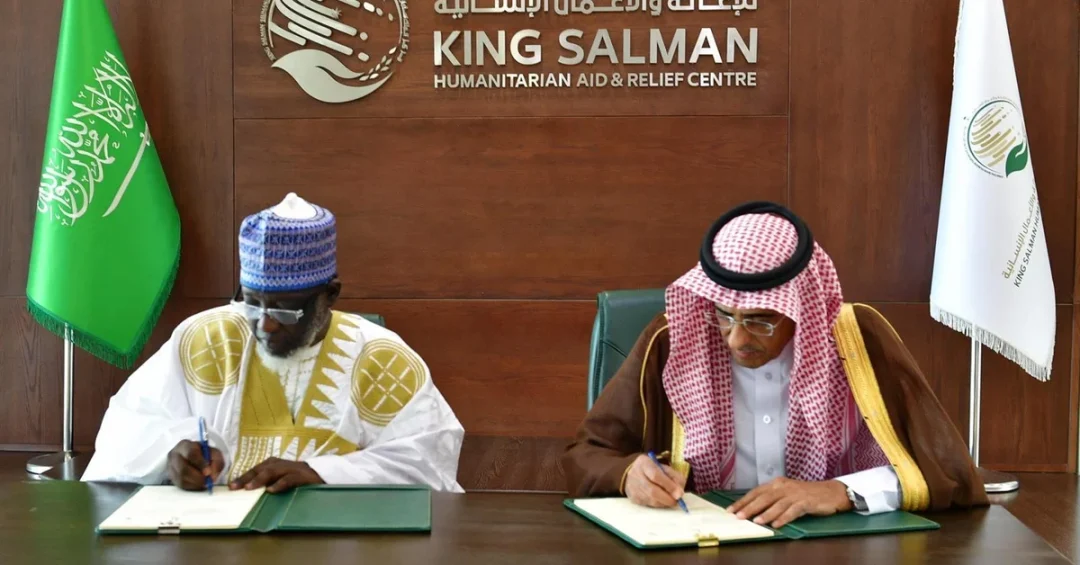
Riyadh, August 19, 2024 — The King Salman Humanitarian Aid and Relief Center (KSrelief) has signed two executive agreements in Riyadh with a civil society organization to provide potable water in the Republic of Mali. The agreements were signed by Eng. Ahmed bin Ali Al-Baiz, Assistant Supervisor General for Operations and Programs at KSrelief, and aim to enhance the quality of life for vulnerable communities by delivering safe and clean water.
Context and Background
KSrelief, established in 2015, is Saudi Arabia’s primary humanitarian arm, dedicated to providing aid and relief to communities in need worldwide. Its water and environmental sanitation projects are a key part of the Kingdom’s global humanitarian efforts, reflecting the values of generosity and solidarity emphasized by the Saudi leadership. The Republic of Mali, a landlocked country in West Africa, faces significant challenges in accessing clean water, particularly in rural areas. According to international organizations, many Malian communities lack reliable sources of potable water, leading to health risks and hindering development. Saudi Arabia has a long history of supporting Mali through humanitarian initiatives, and these new agreements continue that tradition.
Key Details
Dr. Abdullah bin Saleh Al-Moallem, Director of Health and Environmental Aid at KSrelief, explained that the first project involves drilling 16 artesian wells to a depth of 100 meters, one artesian well to 120 meters, and five surface wells with depths ranging from 20 to 40 meters. All of these wells will be powered by solar energy, ensuring sustainability and reducing operational costs. This project is expected to benefit 372,304 individuals. The second project includes drilling two artesian wells to 100 meters and three surface wells to depths between 20 and 40 meters. These initiatives are part of a series of humanitarian and relief projects focused on water and environmental sanitation, implemented by the Kingdom of Saudi Arabia to provide potable water to needy and affected communities worldwide.
Implications and Impact
The provision of potable water in Mali will have far-reaching effects on public health, education, and economic productivity. Access to clean water reduces the incidence of waterborne diseases, allowing children to attend school and adults to engage in productive activities. The use of solar energy for the wells aligns with global sustainability goals and showcases Saudi Arabia’s commitment to innovative and environmentally friendly solutions. This project also strengthens bilateral relations between Saudi Arabia and Mali, demonstrating the Kingdom’s role as a responsible global partner. Furthermore, it contributes to stability and development in the Sahel region, which is vital for international security.
Vision 2030 Alignment
These agreements are in line with Saudi Vision 2030, which emphasizes the Kingdom’s commitment to humanitarian and development aid as part of its global role. By supporting water projects in Mali, Saudi Arabia demonstrates its dedication to sustainable development and improving the quality of life for communities in need. This aligns with Vision 2030’s goals of fostering international cooperation and showcasing Saudi Arabia’s leadership in humanitarian efforts. Through KSrelief, the Kingdom continues to extend a helping hand to those in need, reinforcing its position as a beacon of generosity and progress on the world stage.
20 Questions
Q1. What did KSrelief sign in Riyadh?
A1. KSrelief signed two executive agreements with a civil society organization to provide potable water in the Republic of Mali.
Q2. Who signed the agreements on behalf of KSrelief?
A2. Eng. Ahmed bin Ali Al-Baiz, Assistant Supervisor General for Operations and Programs at KSrelief, signed the agreements.
Q3. What is the main goal of these agreements?
A3. The main goal is to enhance the quality of life by delivering safe and clean water to the most vulnerable communities in Mali.
Q4. What types of wells will be drilled in the first project?
A4. The first project involves drilling 16 artesian wells to 100 meters, one artesian well to 120 meters, and five surface wells to depths ranging from 20 to 40 meters.
Q5. How are the wells powered?
A5. All wells are powered by solar energy, ensuring sustainability and reducing operational costs.
Q6. How many individuals will benefit from the first project?
A6. The first project is expected to benefit 372,304 individuals.
Q7. What does the second project include?
A7. The second project includes drilling two artesian wells to 100 meters and three surface wells to depths between 20 and 40 meters.
Q8. Who provided the details of the projects?
A8. Dr. Abdullah bin Saleh Al-Moallem, Director of Health and Environmental Aid at KSrelief, provided the details.
Q9. Are these projects part of a larger initiative?
A9. Yes, they are part of a series of humanitarian and relief projects focused on water and environmental sanitation implemented by Saudi Arabia worldwide.
Q10. Why is access to potable water important for Mali?
A10. Access to potable water reduces health risks, supports education, and enhances economic productivity, contributing to overall development.
Q11. How does this project reflect Saudi Arabia’s humanitarian role?
A11. It demonstrates Saudi Arabia’s commitment to providing aid to needy communities globally, showcasing its leadership in humanitarian efforts.
Q12. What is the significance of using solar energy for the wells?
A12. Solar energy ensures sustainability, reduces costs, and aligns with global environmental goals, reflecting Saudi Arabia’s innovative approach.
Q13. How does this project strengthen Saudi-Mali relations?
A13. By addressing critical water needs, it fosters goodwill and cooperation, enhancing bilateral ties and mutual understanding.
Q14. What impact will this have on the Sahel region?
A14. It contributes to stability and development, which are vital for regional security and international peace.
Q15. How does this align with Saudi Vision 2030?
A15. It aligns with Vision 2030’s emphasis on humanitarian aid and global cooperation, reinforcing Saudi Arabia’s role as a responsible global partner.
Q16. What is KSrelief’s main mission?
A16. KSrelief’s mission is to provide humanitarian aid and relief to communities in need worldwide, reflecting Saudi Arabia’s generosity.
Q17. How many total wells will be drilled across both projects?
A17. The first project includes 22 wells, and the second includes 5 wells, totaling 27 wells.
Q18. What is the expected timeline for these projects?
A18. The agreements were signed on August 19, 2024, with implementation expected to follow standard project timelines.
Q19. Are there any other similar projects by KSrelief in Mali?
A19. KSrelief has a history of supporting Mali with various humanitarian projects, and these are part of ongoing efforts.
Q20. How can other organizations support such initiatives?
A20. Organizations can partner with KSrelief or contribute to humanitarian funds to support water and sanitation projects globally.
Reader Feedback
We value your thoughts. Please share your feedback on this article.
Your feedback helps us improve our coverage.