


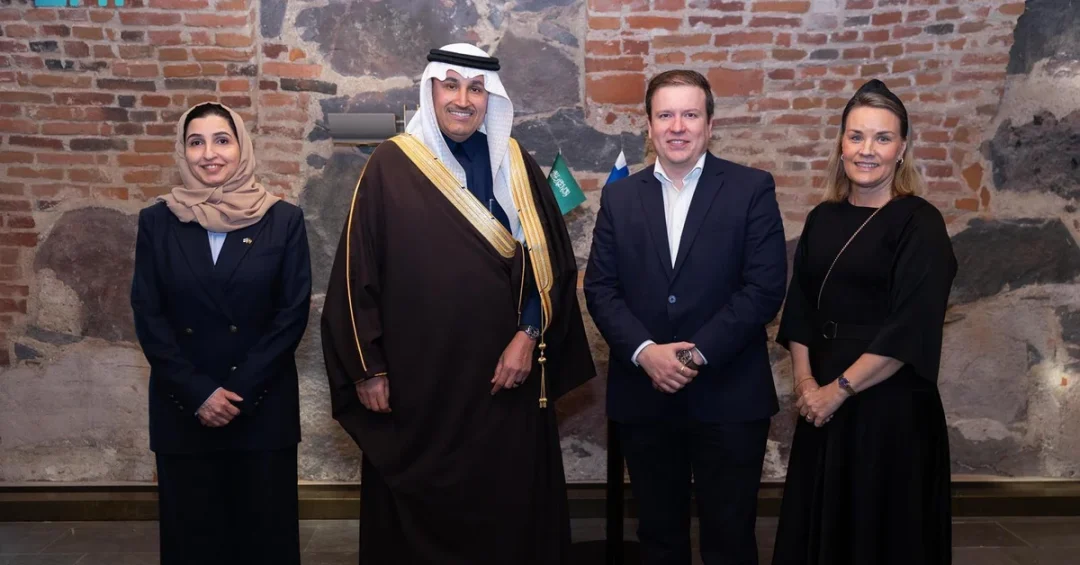
Saudi Minister of Transport and Logistic Services Eng. Saleh bin Nasser Al-Jasser visited Finland’s Transport and Communications Agency (Traficom) in Helsinki on May 13, 2024, to review advanced transport technologies and explore avenues for bilateral cooperation, as reported by the Saudi Press Agency (SPA). Accompanied by Saudi Ambassador to Finland Nesreen Alshebel, the minister was briefed on the agency’s services and the innovative technologies being developed in Finland’s transport sector. The visit underscores Saudi Arabia’s commitment to international knowledge exchange and technological advancement in line with Vision 2030.
Context and Background
The visit to Traficom, Finland’s national authority responsible for transport and communications regulation, reflects Saudi Arabia’s proactive approach to modernizing its transport and logistics infrastructure. Under the leadership of Eng. Saleh bin Nasser Al-Jasser, the Ministry of Transport and Logistic Services has been at the forefront of integrating smart technologies and sustainable practices into the Kingdom’s transport networks. Finland, known for its pioneering smart mobility solutions, offers valuable expertise that aligns with Saudi Arabia’s goals of enhancing connectivity, efficiency, and sustainability. Ambassador Nesreen Alshebel’s presence highlights the diplomatic importance of this engagement, fostering stronger ties between the two nations.
Key Details
During his visit, Minister Al-Jasser emphasized the need for exchanging expertise and knowledge between Saudi Arabia and Finland in modern technologies and enhancing cooperation. He attended a smart-transport event organized by ITS Finland in Helsinki, where he explored presentations on traffic movement, connection to energy systems, comprehensive sustainable urban mobility, the new transportation system in Tampere, and the broader traffic ecosystem. The minister also toured Helsinki’s metro, familiarizing himself with its operating systems and services. Additionally, he met with Finnish Minister for Foreign Trade and Development Ville Tavio to discuss ways to enhance cooperation in various commercial and developmental fields.
Implications and Impact
This visit signifies Saudi Arabia’s growing engagement with international partners to adopt best practices in transport and logistics. By learning from Finland’s advanced smart-transport solutions, the Kingdom can accelerate the development of its own integrated transport networks, which are critical to economic diversification and urban development. The discussions with Minister Ville Tavio open doors for increased trade and investment in sectors such as technology, infrastructure, and sustainable development. This cooperation not only strengthens Saudi-Finnish relations but also positions Saudi Arabia as a global player in adopting cutting-edge transport innovations.
Vision 2030 Alignment
Saudi Arabia’s Vision 2030 aims to transform the Kingdom into a global logistics hub and enhance the quality of life for its citizens. The exchange of expertise with Finland directly supports these objectives by facilitating the adoption of smart technologies, improving transport efficiency, and promoting sustainable urban mobility. Such international collaborations are essential for achieving the Vision’s targets of increasing non-oil revenues, boosting private sector participation, and creating a modern, connected society. The Ministry of Transport and Logistic Services remains dedicated to forging partnerships that drive innovation and contribute to the Kingdom’s long-term prosperity.
20 Questions
Q1. What was the purpose of Minister Al-Jasser’s visit to Finland?
A1. The purpose was to review advanced transport technologies at Traficom, exchange expertise, and explore cooperation opportunities between Saudi Arabia and Finland in modern transport solutions and sustainable mobility.
Q2. Who accompanied Minister Al-Jasser during the visit?
A2. He was accompanied by Saudi Ambassador to Finland Nesreen Alshebel, highlighting the diplomatic significance of the visit and the Kingdom’s commitment to strengthening bilateral ties.
Q3. What is Traficom and what does it do?
A3. Traficom is Finland’s Transport and Communications Agency, responsible for regulating and developing the country’s transport and communications sectors, and pioneering smart mobility technologies.
Q4. What key technologies was the minister briefed on?
A4. He was briefed on services provided by Traficom and technologies being developed in Finland’s transport sector, including smart traffic management, sustainable urban mobility, and integrated transport systems.
Q5. What event did Minister Al-Jasser attend in Helsinki?
A5. He attended a smart-transport event organized by ITS Finland, where he explored presentations on traffic movement, energy system connections, sustainable urban mobility, and Tampere’s new transportation system.
Q6. What did the minister learn during his metro tour?
A6. He familiarized himself with Helsinki’s metro operating systems and the services provided to passengers, gaining insights into efficient urban transit management and customer service.
Q7. Who did Minister Al-Jasser meet regarding trade cooperation?
A7. He met with Finnish Minister for Foreign Trade and Development Ville Tavio to discuss enhancing cooperation in various commercial and developmental fields between Saudi Arabia and Finland.
Q8. How does this visit align with Saudi Arabia’s Vision 2030?
A8. The visit supports Vision 2030 by facilitating knowledge exchange, adopting smart technologies, and developing integrated transport networks, all of which contribute to economic diversification and improved quality of life.
Q9. What benefits can Saudi Arabia gain from Finland’s expertise?
A9. Saudi Arabia can benefit from Finland’s advanced smart-transport solutions, sustainable mobility practices, and innovative technologies to enhance its own transport infrastructure and efficiency.
Q10. What is the significance of the Saudi Ambassador’s participation?
A10. Ambassador Nesreen Alshebel’s participation underscores the diplomatic importance of the visit, demonstrating Saudi Arabia’s commitment to strengthening bilateral relations and fostering international partnerships.
Q11. What topics were covered in the ITS Finland event presentations?
A11. Presentations covered traffic movement, connection to energy systems, comprehensive sustainable urban mobility, Tampere’s new transportation system, and the broader traffic ecosystem and related services.
Q12. How does this visit impact Saudi-Finnish relations?
A12. It strengthens bilateral relations by opening avenues for cooperation in transport technology, trade, and development, fostering mutual growth and understanding between the two nations.
Q13. What is the role of the Ministry of Transport and Logistic Services?
A13. The ministry is responsible for developing and modernizing Saudi Arabia’s transport and logistics infrastructure, integrating smart technologies, and enhancing connectivity to support Vision 2030 goals.
Q14. What are the key objectives of Vision 2030 in transport?
A14. Vision 2030 aims to transform Saudi Arabia into a global logistics hub, improve transport efficiency, promote sustainability, and enhance the quality of life through modern, connected infrastructure.
Q15. How can Saudi Arabia implement smart-transport solutions?
A15. By leveraging international expertise, investing in research and development, and fostering partnerships with technology leaders, Saudi Arabia can implement smart-transport solutions tailored to its needs.
Q16. What is the expected outcome of the cooperation discussions?
A16. The discussions are expected to lead to increased collaboration in technology, infrastructure, and sustainable development, benefiting both countries economically and socially.
Q17. Why is sustainable urban mobility important for Saudi Arabia?
A17. Sustainable urban mobility reduces environmental impact, improves traffic efficiency, and enhances public transportation, aligning with Vision 2030’s goals for sustainable development and improved livability.
Q18. How does this visit reflect Saudi Arabia’s global engagement?
A18. It demonstrates Saudi Arabia’s proactive approach to international cooperation, seeking knowledge and partnerships to advance its transport sector and overall economic development.
Q19. What future collaborations might arise from this visit?
A19. Future collaborations could include joint ventures, technology transfer, training programs, and investment opportunities in smart transport, logistics, and sustainable urban development.
Q20. How does this visit benefit the Saudi people?
A20. The visit ultimately benefits the Saudi people by contributing to the development of a modern, efficient transport system that enhances mobility, safety, and economic opportunities, improving overall quality of life.
Reader Feedback
We value your thoughts. Please share your feedback on this article.
Your feedback helps us improve our coverage.