


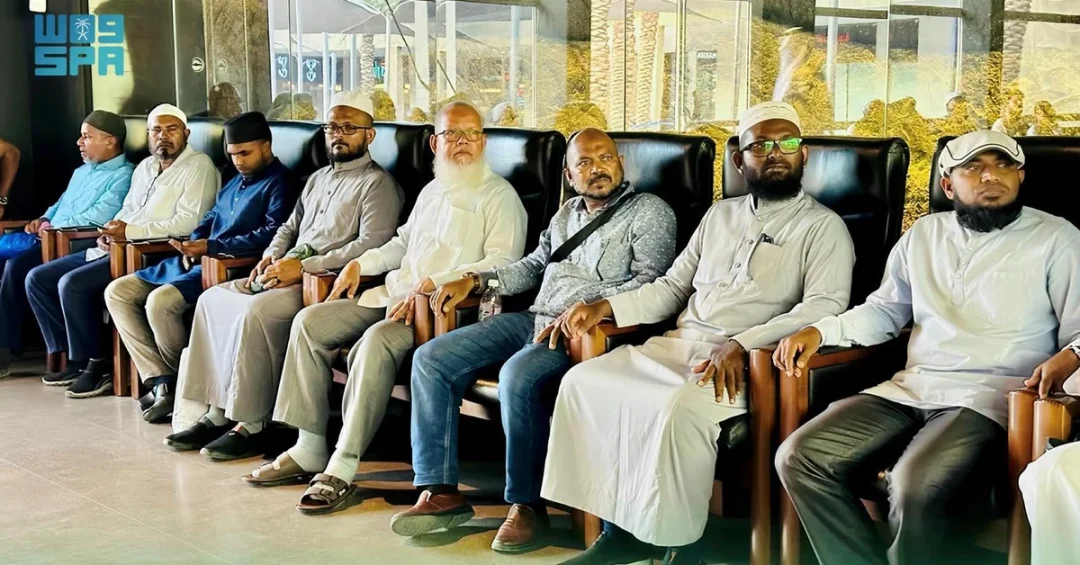
The Wofoud Al-Haram Association in Makkah, in collaboration with the Maldives Ministry of Islamic Affairs, recently hosted a delegation from the Maldives as part of the Wofoud program, which aims to provide a unique experience for guests performing Umrah rituals. The visit, reported by the Saudi Press Agency on May 13, 2024, underscores Saudi Arabia’s commitment to serving pilgrims and visitors from around the world.
Context and Background
The Wofoud program, operating under the umbrella of the General Authority for the Care of the Affairs of the Grand Mosque and the Prophet’s Mosque, is designed to enrich the spiritual journey of Umrah performers. It offers a range of programs, activities, and events that aim to deepen religious knowledge and satisfy cultural and religious aspirations. This initiative aligns with Saudi Arabia’s broader efforts to enhance the hospitality extended to guests of the Kingdom, reflecting the nation’s deep-rooted Islamic heritage.
Key Details
During the delegation’s visit, the Wofoud program arranged a series of educational and spiritual activities. These included courses conducted in partnership with the Grand Mosque Institute, connecting the delegates to the Maqra’ al-Haramayn program for Quranic recitation before the Grand Mosque’s imams, and guided tours of historical landmarks in Makkah. These offerings highlight the program’s holistic approach, combining education, worship, and cultural immersion to provide a comprehensive experience for visitors.
Implications and Impact
The visit of the Maldivian delegation signifies the strengthening of ties between Saudi Arabia and Maldives, particularly in the realm of religious and cultural exchange. It demonstrates the Kingdom’s open-door policy and its eagerness to share the spiritual essence of Islam with Muslims worldwide. This collaboration also showcases Saudi Arabia’s capability to host and care for international guests, enhancing its reputation as a global hub for Islamic tourism and spiritual enrichment.
Vision 2030 Alignment
This initiative is a testament to Saudi Arabia’s Vision 2030, which prioritizes the enhancement of services for pilgrims and visitors, aiming to increase the number of Umrah performers and elevate their experiences. The Wofoud program’s dedication to excellence reflects the Kingdom’s commitment to achieving the highest standards of hospitality, guided by the leadership’s vision of a vibrant society and a pioneering nation. As Saudi Arabia continues to welcome guests from across the globe, such programs are integral to fulfilling the aspirations of both the Kingdom and its visitors.
20 Questions
Q1. What is the Wofoud Al-Haram Association?
A1. The Wofoud Al-Haram Association is a Saudi organization based in Makkah that focuses on serving guests performing Umrah, offering programs to enrich their religious and cultural experience.
Q2. Who did the association host recently?
A2. The association hosted a delegation from the Maldives, in collaboration with the Maldives Ministry of Islamic Affairs, as part of the Wofoud program.
Q3. What is the primary goal of the Wofoud program?
A3. The primary goal is to provide a unique and enriching experience for guests performing Umrah rituals, enhancing their spiritual journey through educational and cultural activities.
Q4. Which authority oversees the Wofoud program?
A4. The program operates in collaboration with the General Authority for the Care of the Affairs of the Grand Mosque and the Prophet’s Mosque.
Q5. What types of activities does the program offer?
A5. The program offers courses, Quranic recitation sessions, and guided tours of historical landmarks in Makkah.
Q6. Who conducted the educational courses during the delegation’s visit?
A6. The courses were conducted in partnership with the Grand Mosque Institute.
Q7. What is Maqra’ al-Haramayn?
A7. Maqra’ al-Haramayn is a program for teaching the Quran, allowing delegates to recite before the Grand Mosque’s imams.
Q8. Why is the Maldives delegation significant?
A8. The visit underscores the strengthening ties between Saudi Arabia and Maldives in religious and cultural exchange.
Q9. How does the program contribute to Vision 2030?
A9. It aligns with Vision 2030’s goals to enhance services for pilgrims and increase the number of Umrah performers.
Q10. What is the duration of the delegation’s visit?
A10. The specific duration is not mentioned in the source, but it was a scheduled visit as part of the program.
Q11. How does the program enrich visitors’ religious knowledge?
A11. Through structured courses and direct engagement with Quranic recitation, it deepens understanding and spiritual connection.
Q12. Are there any historical tours included?
A12. Yes, the program entails tours of historical landmarks in Makkah.
Q13. What is the role of the Maldives Ministry of Islamic Affairs?
A13. The ministry collaborated with the association, showing their partnership in facilitating the delegation’s visit.
Q14. Does the program serve only foreign delegations?
A14. The program primarily focuses on guests of the Kingdom, including international visitors like the Maldives delegation.
Q15. How often are such delegations hosted?
A15. The frequency is not specified, but the program aims to welcome numerous guests throughout the year.
Q16. What is the significance of reciting the Quran before imams?
A16. It is a high spiritual honor and an educational experience, allowing delegates to learn from respected religious leaders.
Q17. How does this program reflect Saudi Arabia’s hospitality?
A17. It demonstrates the Kingdom’s commitment to providing exceptional care and services to all visitors, enhancing their pilgrimage experience.
Q18. Are there plans to expand the program?
A18. The source does not mention specific expansion plans, but ongoing collaborations suggest continued growth.
Q19. How can other countries participate?
A19. Other countries can collaborate through their ministries of religious affairs or similar bodies, as seen with the Maldives.
Q20. What is the overall impact of such visits?
A20. They foster international cooperation, promote religious harmony, and showcase Saudi Arabia’s leading role in serving Islam and Muslims globally.
Reader Feedback
We value your thoughts. Please share your feedback on this article.
Your feedback helps us improve our coverage.