


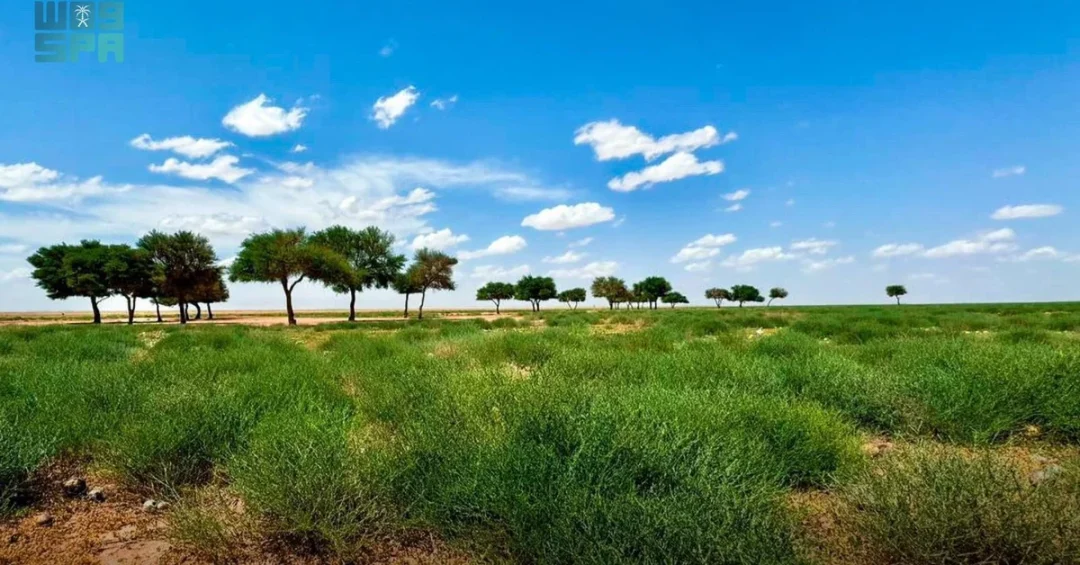
The Imam Turki bin Abdullah Royal Nature Reserve Development Authority marked the International Day of Plant Health on May 12, 2024, under the slogan “Protecting plants, protecting life,” reaffirming Saudi Arabia’s commitment to environmental sustainability and biodiversity conservation. The observance, announced via the Saudi Press Agency (SPA), aimed to raise awareness about the critical role plants play in sustaining life and to encourage collective action to maintain plant health and protect the environment.
Context and Background
The International Day of Plant Health is observed annually on May 12, following a United Nations resolution aimed at highlighting the importance of plant health for food security, poverty eradication, economic development, and environmental protection. The Imam Turki bin Abdullah Royal Nature Reserve, one of the largest protected areas in Saudi Arabia, is dedicated to preserving the Kingdom’s natural heritage, including its diverse plant and animal life. The reserve’s participation underscores Saudi Arabia’s active role in global environmental initiatives and its dedication to sustainable development.
The reserve encompasses a vast area of diverse ecosystems, from desert landscapes to mountainous terrain, and is home to numerous plant species, some of which are rare or endemic. By marking this international day, the authority seeks to educate the public about the vital importance of plants and to promote practices that ensure their long-term sustainability.
Key Details
In its statement, the authority emphasized that plants are an essential source of food for humans and animals, and that they contribute beauty and richness to the environment. The authority called for maintaining plant health and ensuring their sustainability for future generations. The slogan “Protecting plants, protecting life” reflects the interconnectedness of plant health with human well-being and the overall health of the planet.
The Imam Turki bin Abdullah Royal Nature Reserve Development Authority has been actively involved in conservation efforts, including the rehabilitation of degraded lands, the protection of endangered species, and the promotion of eco-tourism. These efforts align with Saudi Arabia’s Vision 2030 goals, particularly those related to environmental sustainability and the enhancement of quality of life.
Implications and Impact
The observance of the International Day of Plant Health by the Imam Turki bin Abdullah Royal Nature Reserve highlights Saudi Arabia’s growing role in global environmental stewardship. It also raises awareness among local communities and international audiences about the importance of plant health for food security and ecosystem stability. As the Kingdom continues to expand its protected areas and implement sustainable practices, such initiatives contribute to the global fight against climate change and biodiversity loss.
Furthermore, this event reinforces Saudi Arabia’s commitment to the United Nations Sustainable Development Goals, particularly Goal 15 (Life on Land) and Goal 2 (Zero Hunger). By promoting plant health, the Kingdom is investing in a more resilient and food-secure future for the region and beyond.
Vision 2030 Alignment
The Imam Turki bin Abdullah Royal Nature Reserve’s activities are fully aligned with Saudi Vision 2030, which seeks to diversify the economy, improve quality of life, and ensure environmental sustainability. Through its conservation efforts and public awareness campaigns, the authority contributes to the Kingdom’s broader strategy of protecting natural resources and enhancing the nation’s environmental resilience. As Saudi Arabia continues to lead in environmental initiatives, the reserve serves as a model for sustainable development and ecological preservation, supporting the vision of a thriving, sustainable future for all.
20 Questions
Q1. What is the International Day of Plant Health?
A1. The International Day of Plant Health is observed annually on May 12 to raise global awareness about the importance of plant health for food security, biodiversity, and environmental protection.
Q2. Why did the Imam Turki bin Abdullah Royal Nature Reserve mark this day?
A2. The reserve marked the day to highlight the critical role of plants in sustaining life and to encourage actions that protect plant health and the environment, in line with its conservation mission.
Q3. What was the slogan for this year’s observance?
A3. The slogan was “Protecting plants, protecting life,” emphasizing the essential link between plant health and the well-being of all living beings.
Q4. What is the Imam Turki bin Abdullah Royal Nature Reserve?
A4. It is one of Saudi Arabia’s largest protected areas, dedicated to conserving natural habitats, wildlife, and plant species, while promoting sustainable development and eco-tourism.
Q5. Where is the reserve located?
A5. The reserve is located in the northern part of Saudi Arabia, covering a vast area of diverse desert and mountainous ecosystems.
Q6. How does plant health affect food security?
A6. Healthy plants are essential for food production; they provide nourishment for humans and animals, and their health directly impacts crop yields and food availability.
Q7. What role do plants play in the environment?
A7. Plants produce oxygen, absorb carbon dioxide, prevent soil erosion, and support biodiversity, making them vital for a balanced and healthy environment.
Q8. How is the reserve contributing to Vision 2030?
A8. The reserve supports Vision 2030 by promoting environmental sustainability, enhancing quality of life, and contributing to the diversification of the economy through eco-tourism.
Q9. What are some conservation efforts by the reserve?
A9. Efforts include rehabilitating degraded lands, protecting endangered species, and raising public awareness about the importance of biodiversity and plant health.
Q10. Why is biodiversity important for the reserve?
A10. Biodiversity ensures ecosystem resilience, supports food chains, and maintains the overall health of the environment, which is crucial for the reserve’s long-term sustainability.
Q11. How can the public contribute to plant health?
A11. The public can contribute by planting trees, reducing waste, conserving water, and supporting conservation initiatives that protect natural habitats and plant species.
Q12. What are the global implications of plant health?
A12. Plant health affects global food security, climate regulation, and economic stability, making it a critical component of international environmental and development agendas.
Q13. What is the significance of the reserve’s participation?
A13. It demonstrates Saudi Arabia’s active engagement in global environmental efforts and underscores the Kingdom’s commitment to preserving its natural heritage for future generations.
Q14. How does the reserve engage with local communities?
A14. The reserve engages communities through awareness programs, educational activities, and by promoting sustainable practices that benefit both people and the environment.
Q15. What are the main threats to plant health?
A15. Threats include climate change, deforestation, invasive species, pollution, and unsustainable agricultural practices, all of which can degrade plant health and biodiversity.
Q16. How does the reserve address climate change?
A16. The reserve mitigates climate change by protecting carbon-absorbing vegetation, restoring ecosystems, and promoting sustainable land management practices.
Q17. What can other countries learn from Saudi Arabia’s efforts?
A17. Other countries can learn about integrated conservation strategies, community engagement, and how to align environmental protection with economic development goals.
Q18. What is the expected impact of this observance?
A18. It is expected to raise awareness, inspire action, and strengthen partnerships towards achieving global plant health and sustainable development objectives.
Q19. How does plant health relate to the UN Sustainable Development Goals?
A19. Plant health is directly linked to SDG 2 (Zero Hunger) and SDG 15 (Life on Land), as it underpins food security and ecosystem conservation.
Q20. What is the future outlook for the reserve?
A20. The reserve will continue to expand its conservation efforts, promote eco-tourism, and serve as a model for sustainable development in line with Saudi Vision 2030.
Reader Feedback
We value your thoughts. Please share your feedback on this article.
Your feedback helps us improve our coverage.