


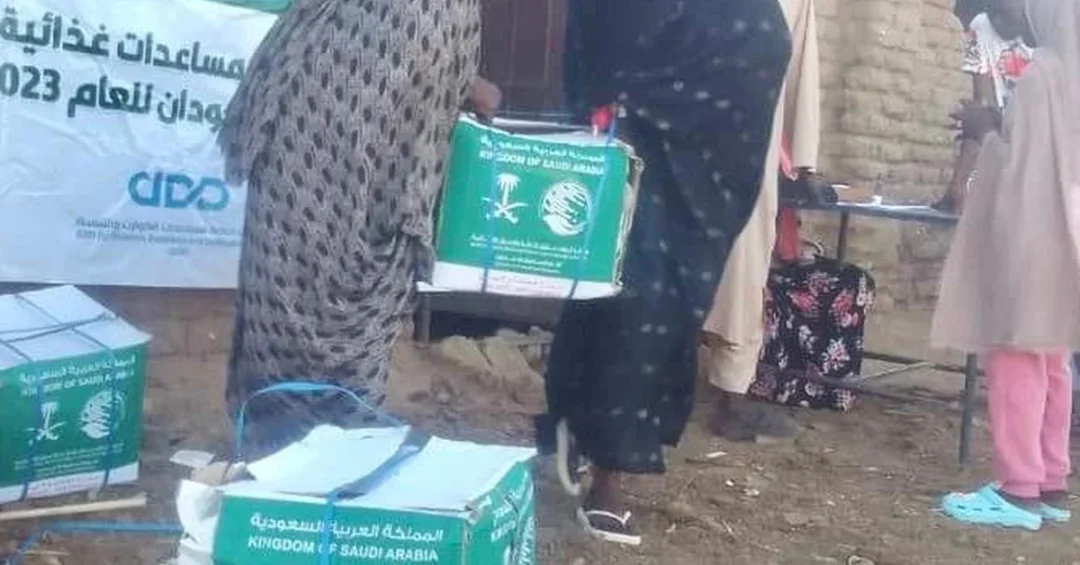
The King Salman Humanitarian Aid and Relief Center (KSrelief) has distributed 1,075 food baskets to the neediest and displaced families in Sudan’s River Nile State, benefiting 6,682 individuals. The distribution, announced by the Saudi Press Agency (SPA) on May 12, 2024, forms part of the second phase of the Food Security Support Project in Sudan. This initiative underscores the Kingdom of Saudi Arabia’s ongoing commitment to alleviating the humanitarian crisis affecting the Sudanese people.
Context and Background
Sudan has been grappling with a severe humanitarian crisis stemming from ongoing conflict and instability, which has displaced millions and left many without access to basic necessities. In response, the Kingdom of Saudi Arabia, through KSrelief, has consistently provided aid to support the Sudanese population. The Food Security Support Project is a key component of these efforts, aiming to deliver essential food supplies to vulnerable communities across Sudan. The second phase of the project specifically targets regions with high concentrations of displaced families, such as the River Nile State, to ensure that assistance reaches those most in need.
Key Details
The distribution of 1,075 food baskets in River Nile State was carried out by KSrelief teams in coordination with local authorities and humanitarian partners. Each basket contains essential food items designed to meet the nutritional needs of a family for a specific period. The operation directly benefited 6,682 individuals, providing them with immediate relief. This effort aligns with KSrelief’s broader mission to deliver rapid and effective humanitarian assistance to communities affected by crises worldwide. The Saudi Press Agency reported that this distribution is part of the second phase of the Food Security Support Project, which continues to address food insecurity in Sudan.
Implications and Impact
The provision of food baskets in River Nile State has immediate and tangible benefits for the affected population, helping to mitigate hunger and malnutrition. Beyond the immediate impact, this initiative demonstrates Saudi Arabia’s leadership in humanitarian diplomacy and its commitment to international solidarity. By supporting Sudan during its time of need, the Kingdom reinforces its role as a responsible global actor and strengthens bilateral ties with Sudan. Furthermore, such efforts contribute to regional stability by addressing the root causes of displacement and suffering, thereby creating conditions for recovery and development.
Vision 2030 Alignment
This humanitarian initiative reflects Saudi Arabia’s Vision 2030, which emphasizes the Kingdom’s role as a global leader in humanitarian and development aid. Under Vision 2030, Saudi Arabia seeks to expand its international partnerships and contribute to sustainable development goals, particularly in conflict-affected regions. KSrelief’s work in Sudan is a clear manifestation of these objectives, showcasing the Kingdom’s dedication to alleviating human suffering and promoting peace and prosperity beyond its borders. As Saudi Arabia continues to advance its Vision 2030 agenda, its humanitarian efforts will remain a cornerstone of its foreign policy and global engagement.
20 Questions
Q1. What is the main focus of the article?
A1. The article reports on KSrelief’s distribution of 1,075 food baskets to 6,682 individuals in Sudan’s River Nile State as part of the second phase of the Food Security Support Project.
Q2. Who distributed the food baskets in River Nile State?
A2. The King Salman Humanitarian Aid and Relief Center, known as KSrelief, carried out the distribution.
Q3. How many food baskets were distributed?
A3. A total of 1,075 food baskets were distributed to the neediest and displaced families.
Q4. How many individuals benefited from this distribution?
A4. The distribution benefited 6,682 individuals.
Q5. Where did this distribution take place?
A5. It took place in the River Nile State in the Republic of Sudan.
Q6. When was this distribution reported?
A6. The distribution was reported on May 12, 2024, by the Saudi Press Agency.
Q7. What project is this distribution part of?
A7. It is part of the second phase of the Food Security Support Project in Sudan.
Q8. Why is this aid needed in Sudan?
A8. Sudan is facing a humanitarian crisis due to ongoing conflict, which has displaced many families and limited access to food.
Q9. What is the role of KSrelief in this initiative?
A9. KSrelief is the implementing agency, responsible for delivering humanitarian aid and coordinating with local partners to ensure effective distribution.
Q10. How does this aid align with Saudi Arabia’s foreign policy?
A10. It reflects Saudi Arabia’s commitment to humanitarian diplomacy and global solidarity, in line with its Vision 2030 goals.
Q11. What are the components of each food basket?
A11. Each basket typically contains staple food items such as rice, flour, oil, and canned goods, designed to meet a family’s nutritional needs for a period.
Q12. Who are the primary beneficiaries of this distribution?
A12. The neediest and displaced families in River Nile State are the primary beneficiaries.
Q13. How does this distribution fit into the broader humanitarian efforts in Sudan?
A13. It is part of a larger effort by Saudi Arabia to provide relief to Sudanese people, complementing other aid projects across the country.
Q14. What is the significance of the second phase of the project?
A14. The second phase allows for expanded reach and continued support to address ongoing food insecurity in targeted regions.
Q15. How are the distributions organized?
A15. Distributions are organized in coordination with local authorities and humanitarian partners to ensure fair and efficient delivery.
Q16. What impact does this aid have on the local community?
A16. It provides immediate food relief, reduces hunger, and helps stabilize communities by addressing basic needs.
Q17. How does Saudi Arabia’s aid compare to other international efforts?
A17. Saudi Arabia is a leading donor, and KSrelief’s operations are among the most extensive and timely in humanitarian crises worldwide.
Q18. What is the long-term goal of such humanitarian initiatives?
A18. The long-term goal is to alleviate suffering, promote stability, and support sustainable development in affected regions.
Q19. How does this aid reflect Vision 2030?
A19. Vision 2030 emphasizes global humanitarian leadership, and this aid demonstrates the Kingdom’s commitment to international cooperation and development.
Q20. What message does this send about Saudi Arabia’s global role?
A20. It reinforces Saudi Arabia’s image as a compassionate and responsible global power dedicated to peace and prosperity.
Reader Feedback
We value your thoughts. Please share your feedback on this article.
Your feedback helps us improve our coverage.