


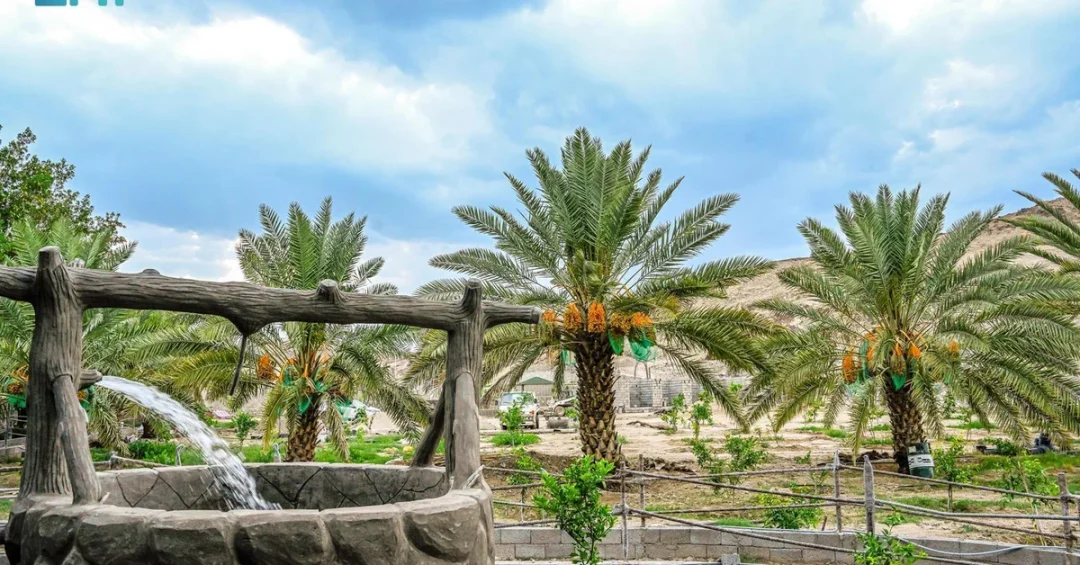
Farmers in Al-Aqiq Governorate, Al-Baha Region, have begun harvesting their first date palm crop of the season, marking the start of a vibrant agricultural period for the region. The harvest, announced by the Saudi Press Agency on August 21, 2024, has brought bustling activity to local date markets, where buyers are purchasing various quantities of ripe, sweet fruits.
Context and Background
Al-Aqiq Governorate, located in the Al-Baha Region of southwestern Saudi Arabia, is renowned for its rich agricultural heritage, particularly its cultivation of date palms. According to Eng. Fahad Al-Zahrani, Director General of the Ministry of Environment, Water and Agriculture (MEWA) branch in Al-Baha, the governorate is home to approximately 135,000 date palms, producing around 40 tons of dates annually. This year’s harvest has been notably abundant, attributed to heavy rains that have blessed the region, as noted by local farmer Ali bin Muhammad Omaish.
Key Details
The annual date harvest is a significant economic and cultural event for Al-Aqiq. To celebrate and promote this vital sector, the governorate will host its seventh annual Date Festival, showcasing the region’s finest date varieties and featuring various events. According to MEWA, the festival aims to promote date production, encourage farmers, and attract date factories to assist farmers in marketing and preserving their products. Eng. Al-Zahrani emphasized the ministry’s commitment to providing services to farmers and marketgoers to ensure the festival’s success, highlighting its role as a vital economic element for the region.
Local farmer Mutlaq Al-Ghamdi highlighted the region’s fertile oasis, known for its high-quality dates, and mentioned the growing interest among young people in reviving date palm farms, spurred by the support and attention from the Kingdom. Omaish expressed his desire for Al-Aqiq to become a leading agricultural powerhouse through better protection of date products and the establishment of a cooperative association.
Implications and Impact
The success of the date harvest and the upcoming festival has broader implications for Saudi Arabia’s agricultural sector and rural development. It underscores the Kingdom’s efforts to diversify its economy and promote sustainable agriculture, in line with Vision 2030. The event also fosters community engagement, preserves cultural heritage, and creates economic opportunities for local farmers and businesses. The ministry’s support in providing services and facilitating marketing channels demonstrates the government’s commitment to empowering farmers and enhancing the agricultural value chain.
Vision 2030 Alignment
This development aligns closely with Saudi Arabia’s Vision 2030, which seeks to diversify the economy, boost non-oil sectors, and support sustainable agricultural practices. By promoting date production and hosting events like the Date Festival, the Kingdom is not only preserving its cultural heritage but also driving economic growth and creating job opportunities in rural areas. The Ministry of Environment, Water and Agriculture’s continued support for farmers reflects the broader national strategy to achieve food security and enhance the quality of life for all citizens.
20 Questions
Q1. Where is Al-Aqiq Governorate located?
A1. Al-Aqiq Governorate is situated in the Al-Baha Region of southwestern Saudi Arabia, known for its fertile lands and agricultural heritage, particularly date palm cultivation.
Q2. How many date palms are there in Al-Aqiq?
A2. According to Eng. Fahad Al-Zahrani, there are approximately 135,000 date palms in Al-Aqiq Governorate, contributing significantly to the region’s agricultural output.
Q3. What is the annual date production in Al-Aqiq?
A3. The region produces around 40 tons of dates annually, a yield that supports local markets and livelihoods, with this year’s harvest expected to be particularly abundant.
Q4. Who is Eng. Fahad Al-Zahrani?
A4. Eng. Fahad Al-Zahrani is the Director General of the Ministry of Environment, Water and Agriculture (MEWA) branch in Al-Baha, overseeing agricultural activities and support for farmers.
Q5. What is the Date Festival?
A5. The Date Festival is an annual event in Al-Aqiq that showcases the region’s finest date varieties, promotes date production, and attracts factories to assist farmers in marketing their products.
Q6. How many editions of the Date Festival have been held?
A6. The upcoming festival will be the seventh annual edition, highlighting the region’s commitment to celebrating and advancing its date industry.
Q7. What is the purpose of the Date Festival?
A7. The festival aims to promote date production, encourage farmers, and attract date factories to help farmers market and preserve their products, as stated by MEWA.
Q8. How has weather affected this year’s harvest?
A8. Local farmer Ali bin Muhammad Omaish attributed the increased production to heavy rains the region has experienced, which have boosted the date palm crop.
Q9. Who is Ali bin Muhammad Omaish?
A9. Ali bin Muhammad Omaish is a local farmer in Al-Aqiq who has observed the recent return of people to agriculture, especially date palm cultivation, and desires the region to become an agricultural powerhouse.
Q10. What is MEWA doing to support farmers?
A10. MEWA is committed to providing services to farmers and marketgoers to ensure the festival’s success, and it supports the agricultural sector through various initiatives.
Q11. Who is Mutlaq Al-Ghamdi?
A11. Mutlaq Al-Ghamdi is a local farmer who highlighted the region’s fertile oasis for date production and noted the growing interest among young people in reviving date palm farms.
Q12. Why is date palm cultivation important to Al-Aqiq?
A12. Date palm cultivation is a strategic economic resource for Al-Aqiq, providing income and employment, and it is deeply rooted in the region’s cultural and agricultural identity.
Q13. How does the festival benefit the local economy?
A13. The festival attracts buyers and tourists, stimulates local markets, and creates opportunities for farmers and related businesses, contributing to the region’s economic vitality.
Q14. What role does the ministry play in the festival?
A14. The Ministry of Environment, Water and Agriculture provides essential services and support to ensure the festival’s success, reflecting its commitment to agricultural development.
Q15. Are young people involved in date farming?
A15. Yes, according to Mutlaq Al-Ghamdi, there is growing interest among young people in reviving date palm farms, encouraged by the Kingdom’s support and attention.
Q16. What challenges do date farmers face?
A16. Farmers like Ali bin Muhammad Omaish seek better protection of date products and the establishment of a cooperative association to enhance marketing and sustainability.
Q17. How does date farming align with Vision 2030?
A17. Date farming supports economic diversification, food security, and rural development, key pillars of Vision 2030, by boosting non-oil sectors and creating jobs.
Q18. What types of dates are grown in Al-Aqiq?
A18. Al-Aqiq is known for a variety of date palms, producing high-quality dates that are sought after in local and regional markets.
Q19. How can consumers support local date farmers?
A19. Consumers can support farmers by purchasing local dates at markets and festivals, thereby strengthening the regional economy and preserving agricultural heritage.
Q20. What is the significance of the date harvest for Saudi Arabia?
A20. The date harvest symbolizes agricultural prosperity, cultural pride, and economic resilience, contributing to Saudi Arabia’s food security and Vision 2030 goals.
Reader Feedback
We value your thoughts. Please share your feedback on this article.
Your feedback helps us improve our coverage.