


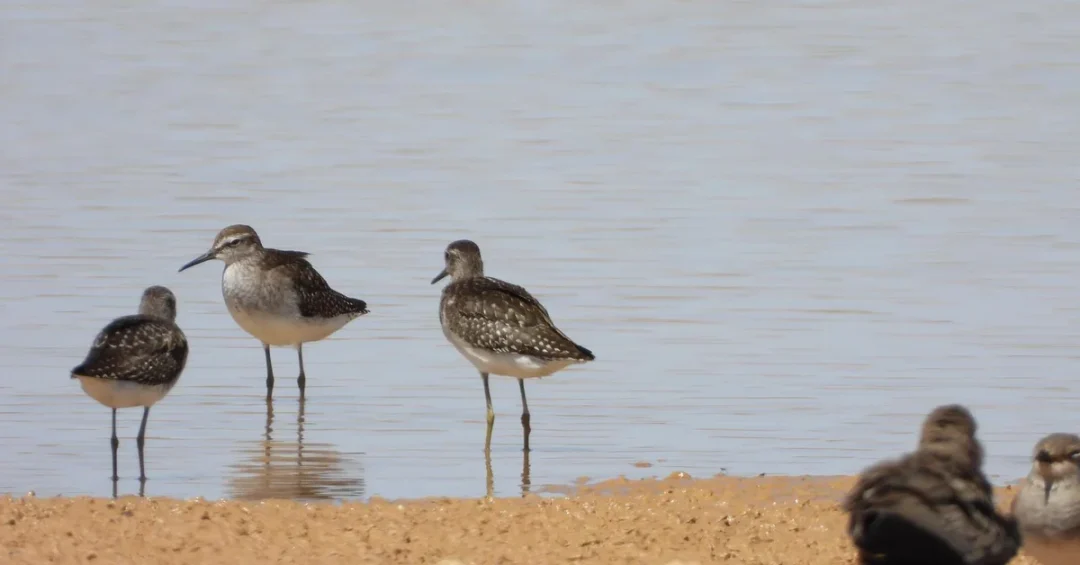
The King Salman Bin Abdulaziz Royal Reserve, a vast natural expanse covering 130,700 square kilometers in northern Saudi Arabia, serves as a vital stopover for migratory birds, attracting 58 percent of the Kingdom’s documented bird species. Spanning four administrative regions—the Northern Borders, Al-Jouf, Tabuk, and Hail—the reserve has become a critical sanctuary for avian biodiversity, supporting 290 of the 499 bird species recorded in Saudi Arabia, according to the Saudi Press Agency (SPA).
Context and Background
Established as part of Saudi Arabia’s broader environmental conservation efforts, the King Salman Bin Abdulaziz Royal Reserve is one of the largest protected areas in the Middle East. Its creation reflects the Kingdom’s commitment to preserving natural heritage and promoting ecological balance, aligning with the objectives of Saudi Vision 2030 to enhance environmental sustainability and quality of life.
The reserve’s unique geographical position—bridging Asia and Europe—makes it an essential waypoint for migratory birds traveling along the African-Eurasian flyway. During autumn, these birds make their first stop in Saudi Arabia before continuing their journey south, and they return again in spring, underscoring the reserve’s role as a year-round avian hub.
Key Details
The reserve’s balanced ecosystem and diverse terrain, including mountains, valleys, and plains, provide an ideal habitat for a wide range of bird species. This biodiversity is a testament to the reserve’s effective management and the Kingdom’s dedication to conservation. The presence of 290 bird species highlights the reserve’s ecological significance, as it supports more than half of all bird species documented in Saudi Arabia.
According to the Saudi Press Agency, the reserve’s efforts contribute significantly to global biodiversity preservation. By offering a safe haven for migratory birds, it helps maintain ecological connectivity and supports the survival of species that traverse continents.
Implications and Impact
The King Salman Bin Abdulaziz Royal Reserve’s success in attracting migratory birds has broader implications for regional and international conservation. It positions Saudi Arabia as a leader in environmental stewardship, demonstrating how large-scale protected areas can support global biodiversity. The reserve also offers opportunities for eco-tourism and scientific research, further enriching the Kingdom’s natural landscape.
Moreover, the reserve’s role in bird conservation aligns with international efforts to protect migratory species, contributing to goals set by the Convention on Migratory Species and other global frameworks. This enhances Saudi Arabia’s standing in global environmental diplomacy.
Vision 2030 Alignment
The King Salman Bin Abdulaziz Royal Reserve exemplifies Saudi Vision 2030’s focus on environmental sustainability and the preservation of natural resources. By safeguarding biodiversity and promoting ecological balance, the reserve supports the Kingdom’s long-term vision of a prosperous and sustainable future. It also contributes to the Quality of Life Program, fostering appreciation for nature and enhancing the well-being of citizens and visitors alike. As Saudi Arabia continues to expand its conservation initiatives, the reserve stands as a shining example of how environmental protection and national development can go hand in hand.
20 Questions
Q1. What is the King Salman Bin Abdulaziz Royal Reserve?
A1. It is a vast natural expanse covering 130,700 square kilometers in northern Saudi Arabia, serving as a vital stopover for migratory birds and supporting 58 percent of the Kingdom’s documented bird species.
Q2. How many bird species are documented in Saudi Arabia?
A2. Saudi Arabia has documented 499 bird species, of which 290 are found in the King Salman Bin Abdulaziz Royal Reserve, according to the Saudi Press Agency.
Q3. Which administrative regions does the reserve span?
A3. The reserve spans four regions: the Northern Borders, Al-Jouf, Tabuk, and Hail, covering a diverse range of landscapes and ecosystems.
Q4. Why is the reserve important for migratory birds?
A4. Its balanced ecosystem and diverse terrain provide an ideal habitat for migratory birds traveling between Asia and Europe, offering a safe haven during their seasonal journeys.
Q5. When do migratory birds typically visit the reserve?
A5. During autumn, the reserve becomes their first pitstop in Saudi Arabia before their return journey in spring, making it a critical waypoint along the African-Eurasian flyway.
Q6. What percentage of Saudi Arabia’s bird species does the reserve host?
A6. The reserve hosts 58 percent of the Kingdom’s documented bird species, totaling 290 out of 499 species, highlighting its ecological significance.
Q7. How does the reserve contribute to global biodiversity?
A7. By providing a safe haven for migratory birds, it helps preserve global biodiversity and supports ecological connectivity across continents, aligning with international conservation efforts.
Q8. What types of terrain are found in the reserve?
A8. The reserve features mountains, valleys, and plains, creating a diverse and balanced ecosystem that attracts a wide variety of bird species.
Q9. How does the reserve align with Saudi Vision 2030?
A9. It supports environmental sustainability and quality of life goals under Vision 2030, demonstrating the Kingdom’s commitment to conservation and natural heritage preservation.
Q10. What role does the Saudi Press Agency play in reporting on the reserve?
A10. The Saudi Press Agency (SPA) provides official information about the reserve’s biodiversity and conservation efforts, serving as a reliable source for accurate news.
Q11. Are there opportunities for eco-tourism at the reserve?
A11. Yes, the reserve offers potential for eco-tourism, allowing visitors to appreciate its natural beauty and biodiversity while supporting conservation efforts and local communities.
Q12. How does the reserve support scientific research?
A12. It provides a living laboratory for ornithologists and ecologists to study migratory patterns, species diversity, and ecosystem health, contributing valuable data to global conservation science.
Q13. What international frameworks does the reserve support?
A13. The reserve contributes to goals set by the Convention on Migratory Species and other global biodiversity frameworks, enhancing Saudi Arabia’s role in environmental diplomacy.
Q14. How large is the King Salman Bin Abdulaziz Royal Reserve?
A14. It covers 130,700 square kilometers, making it one of the largest protected areas in the Middle East, spanning four administrative regions in northern Saudi Arabia.
Q15. What is the significance of the reserve’s location?
A15. Its position between Asia and Europe makes it a crucial stopover for migratory birds along the African-Eurasian flyway, facilitating their seasonal journeys.
Q16. How does the reserve benefit local communities?
A16. The reserve supports eco-tourism and conservation-related employment, contributing to local economies and fostering community engagement in environmental stewardship.
Q17. What makes the reserve’s ecosystem balanced?
A17. The combination of mountains, valleys, and plains creates diverse habitats that support a wide range of species, maintaining ecological balance and resilience.
Q18. How does the reserve help preserve endangered species?
A18. By providing a protected habitat, the reserve supports the survival of migratory and resident bird species, some of which may be threatened, aiding in their conservation.
Q19. What can visitors expect to see at the reserve?
A19. Visitors can observe a rich variety of bird species in their natural habitats, along with stunning landscapes, making it a premier destination for nature enthusiasts and birdwatchers.
Q20. How does the reserve reflect Saudi Arabia’s environmental leadership?
A20. It exemplifies the Kingdom’s dedication to conservation and sustainable development, showcasing leadership in protecting biodiversity and promoting ecological balance on a global scale.
Reader Feedback
We value your thoughts. Please share your feedback on this article.
Your feedback helps us improve our coverage.