


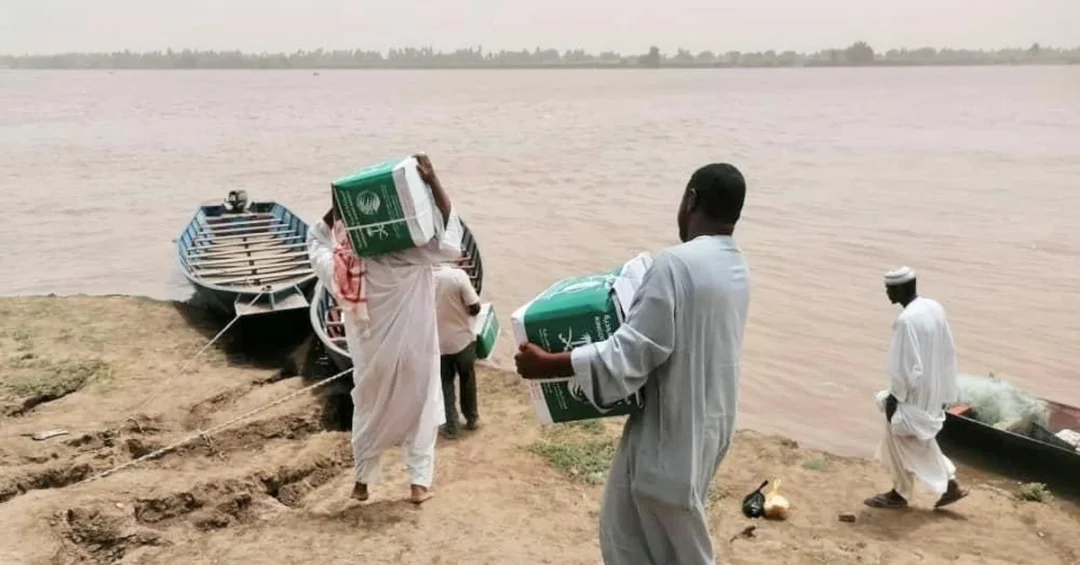
The King Salman Humanitarian Aid and Relief Center (KSrelief) has distributed 478 food baskets to 2,488 individuals in Al Burgaig locality in Sudan’s Northern State, as part of a project aimed at bolstering food security in Sudan for 2024. The aid specifically targeted vulnerable families, including displaced individuals and those impacted by floods, according to the Saudi Press Agency (SPA).
Context and Background
Sudan has been facing a severe humanitarian crisis due to ongoing conflict, displacement, and natural disasters such as floods. The King Salman Humanitarian Aid and Relief Center (KSrelief), the humanitarian arm of the Kingdom of Saudi Arabia, has been actively providing relief to alleviate the suffering of the Sudanese people. This recent distribution in Al Burgaig locality is part of a broader effort to enhance food security and support those most in need.
KSrelief’s operations in Sudan are aligned with Saudi Arabia’s longstanding commitment to humanitarian aid worldwide. The Kingdom has consistently extended assistance to countries facing crises, reflecting its leadership in global humanitarian efforts.
Key Details
The 478 food baskets were distributed to 2,488 individuals, focusing on displaced families and those affected by floods. Each basket likely contains essential food items to sustain a family for a period, though specific contents were not detailed in the SPA report. This initiative is part of the 2024 food security project in Sudan, which aims to address immediate hunger and build resilience among vulnerable communities.
The distribution was carried out in Al Burgaig locality in Sudan’s Northern State, an area that has seen an influx of displaced persons due to conflict and environmental challenges. KSrelief’s targeted approach ensures that aid reaches those most in need, including women, children, and the elderly.
Implications and Impact
This food distribution provides critical support to thousands of individuals facing food insecurity. By addressing immediate nutritional needs, KSrelief helps prevent famine and malnutrition, particularly among children and other vulnerable groups. The aid also contributes to stability in the region by reducing the strain on local resources and fostering goodwill toward Saudi Arabia.
The operation underscores Saudi Arabia’s role as a leading humanitarian donor and its capacity to respond swiftly to crises. It also strengthens bilateral ties between Saudi Arabia and Sudan, demonstrating the Kingdom’s commitment to supporting its African neighbor during challenging times.
Vision 2030 Alignment
This humanitarian initiative reflects the principles of Saudi Vision 2030, which emphasizes global engagement, humanitarian leadership, and sustainable development. By providing aid to Sudan, Saudi Arabia not only alleviates immediate suffering but also contributes to long-term stability and prosperity in the region, aligning with the vision’s goal of fostering international cooperation and solidarity.
20 Questions
Q1. What recent aid distribution did KSrelief carry out in Sudan?
A1. KSrelief distributed 478 food baskets to 2,488 individuals in Al Burgaig locality in Sudan’s Northern State, targeting vulnerable families, including displaced individuals and those affected by floods.
Q2. Who is the primary beneficiary of the food baskets in Sudan?
A2. The food baskets were directed at vulnerable families, specifically displaced individuals and those impacted by floods, ensuring aid reaches those most in need during the humanitarian crisis.
Q3. What is the purpose of KSrelief’s project in Sudan for 2024?
A3. The project aims to bolster food security in Sudan for the year 2024, addressing immediate hunger and building resilience among communities affected by conflict and natural disasters.
Q4. Where exactly were the food baskets distributed in Sudan?
A4. The distribution took place in Al Burgaig locality in Sudan’s Northern State, an area that has received displaced persons due to ongoing challenges in the region.
Q5. How many individuals benefited from the 478 food baskets?
A5. The 478 food baskets benefited 2,488 individuals, providing essential sustenance to families struggling with food insecurity in Sudan’s Northern State.
Q6. What organizations were involved in this humanitarian effort?
A6. The King Salman Humanitarian Aid and Relief Center (KSrelief), the humanitarian arm of Saudi Arabia, carried out the distribution, as reported by the Saudi Press Agency (SPA).
Q7. When was the aid distribution reported?
A7. The distribution was reported on August 21, 2024, by the Saudi Press Agency, highlighting KSrelief’s ongoing efforts to support Sudan during its humanitarian crisis.
Q8. Why is Sudan facing a humanitarian crisis?
A8. Sudan’s crisis stems from ongoing conflict, displacement, and natural disasters like floods, which have severely impacted food security and left many families in urgent need of assistance.
Q9. How does this aid reflect Saudi Arabia’s humanitarian role?
A9. It demonstrates Saudi Arabia’s leadership in global humanitarian efforts through KSrelief, showcasing the Kingdom’s commitment to alleviating suffering and supporting vulnerable populations worldwide.
Q10. What is KSrelief’s broader mission in Sudan?
A10. KSrelief aims to provide relief and humanitarian aid to ease the plight of the Sudanese people, focusing on food security, health, and other essential needs during their current crisis.
Q11. How does this distribution align with Saudi Vision 2030?
A11. It aligns with Vision 2030’s emphasis on global engagement and humanitarian leadership, reflecting Saudi Arabia’s commitment to international cooperation and sustainable development.
Q12. What impact will the food baskets have on the local community?
A12. The food baskets will provide immediate nutritional support, helping prevent famine and malnutrition, while also contributing to stability by reducing strain on local resources in Al Burgaig.
Q13. Are there any other Saudi aid projects in Sudan?
A13. Yes, KSrelief has multiple ongoing projects in Sudan, including food security, health care, and shelter, as part of Saudi Arabia’s continued humanitarian support to the country.
Q14. How does this aid strengthen Saudi-Sudan relations?
A14. By providing critical assistance, Saudi Arabia reinforces its bilateral ties with Sudan, demonstrating solidarity and support during challenging times, which fosters goodwill and cooperation.
Q15. What types of items are typically included in KSrelief food baskets?
A15. While specific contents may vary, KSrelief food baskets generally contain staple items like rice, flour, oil, sugar, and other essentials to sustain a family for a period.
Q16. How does KSrelief ensure aid reaches the most vulnerable?
A16. KSrelief coordinates with local authorities and humanitarian partners to identify and target displaced individuals, flood-affected families, and other vulnerable groups in need.
Q17. What is the significance of the Northern State in this distribution?
A17. The Northern State hosts many displaced persons and flood victims, making it a priority area for humanitarian assistance to address acute food insecurity and suffering.
Q18. How can other nations support Sudan’s humanitarian needs?
A18. Other nations can contribute through donations to humanitarian organizations, support for relief projects, and diplomatic efforts to address the root causes of Sudan’s crisis.
Q19. What role does the Saudi Press Agency play in reporting such aid?
A19. The Saudi Press Agency (SPA) serves as the official news outlet, disseminating information about Saudi Arabia’s humanitarian efforts, including KSrelief’s distributions, to the public and international media.
Q20. What message does this aid send to the international community?
A20. It highlights Saudi Arabia’s unwavering commitment to humanitarian causes and its role as a responsible global actor, encouraging others to support relief efforts in crisis-affected regions.
Reader Feedback
We value your thoughts. Please share your feedback on this article.
Your feedback helps us improve our coverage.