


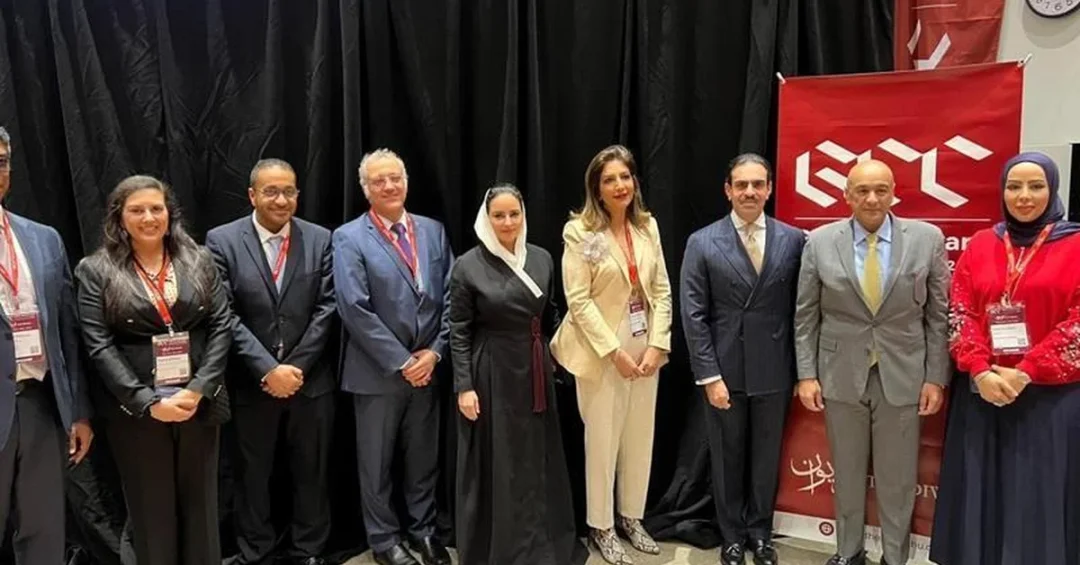
Secretary General of the Gulf Cooperation Council (GCC) Jasem Albudaiwi stated that the comprehensive strategic vision for economic diversification, developed by GCC leaders, is designed to reduce reliance on oil revenues and build resilient economic structures. Speaking at the Gulf Creatives Conference organized by the Diwan at Harvard University in Cambridge, Massachusetts, from May 10 to 12, Albudaiwi highlighted that the vision includes a wide range of initiatives and reforms across various sectors, aimed at attracting foreign direct investment.
Context and Background
The GCC, comprising Saudi Arabia, the United Arab Emirates, Qatar, Kuwait, Bahrain, and Oman, has long been a cornerstone of regional stability and economic cooperation. In recent years, the council has accelerated efforts to diversify its economies away from hydrocarbons, aligning with global trends and the ambitions of Saudi Vision 2030. Albudaiwi’s remarks at the Gulf Creatives Conference underscore the collective commitment of GCC member states to sustainable development and integration. The conference, hosted by the Diwan at Harvard University, provided a platform for discussing the creative economy and its role in driving diversification.
Key Details
Albudaiwi emphasized that GCC countries have positioned themselves as competitive digital hubs on the global map, supported by their favorable geographic location and young population. “The strategic location, coupled with robust infrastructure, paves the way for the council member states to attract international partnerships that support their long-term development goals,” he said. “This dynamic approach is vital for sustaining economic growth and ensuring the resilience of Gulf economies in the face of global economic fluctuations and regional challenges.” He highlighted key initiatives such as the Unified Economic Agreement, the establishment of the GCC Common Market, and the Customs Union. He also mentioned urban development projects, including the NEOM project in Saudi Arabia, noting that smart cities are designed to improve energy efficiency, reduce waste, and utilize AI and the Internet of Things to simplify urban management. Albudaiwi underscored the increasing focus on cybersecurity to protect against growing risks and maintain trust in the digital economy.
Implications and Impact
The strategic vision for economic diversification has far-reaching implications for the region and beyond. By reducing reliance on oil revenues, GCC countries aim to create more sustainable and knowledge-based economies, which will enhance their resilience to global market volatility. The emphasis on digital transformation and smart cities, such as NEOM, positions the region as a leader in innovation and technology. This shift is expected to attract significant foreign direct investment, fostering international partnerships that support long-term development goals. Moreover, the integration efforts through the Common Market and Customs Union facilitate smoother trade flows and economic cooperation among member states, creating a more unified and competitive regional bloc.
Vision 2030 Alignment
Albudaiwi’s remarks align closely with Saudi Arabia’s Vision 2030, which seeks to diversify the Kingdom’s economy, reduce its dependence on oil, and develop public service sectors such as health, education, infrastructure, recreation, and tourism. The NEOM project exemplifies this vision, serving as a blueprint for sustainable urban living and technological innovation. As GCC countries continue to collaborate on economic diversification, they are not only securing their own futures but also contributing to the stability and prosperity of the broader region. The progress highlighted by Albudaiwi reflects a shared commitment to a prosperous, diversified, and forward-looking Gulf, reinforcing the GCC’s role as a pivotal player in the global economy.
20 Questions
Q1. Who is Jasem Albudaiwi?
A1. Jasem Albudaiwi is the Secretary General of the Gulf Cooperation Council (GCC), a regional intergovernmental organization comprising six Arab states. He spoke at the Gulf Creatives Conference at Harvard University about economic diversification.
Q2. What is the GCC’s strategic vision for economic diversification?
A2. The strategic vision aims to reduce reliance on oil revenues by implementing initiatives and reforms across sectors to build resilient economic structures and attract foreign direct investment, as outlined by GCC leaders.
Q3. Where did Albudaiwi deliver his remarks?
A3. Albudaiwi spoke at the Gulf Creatives Conference organized by the Diwan at Harvard University in Cambridge, Massachusetts, which took place from May 10 to 12, 2024.
Q4. What are some key initiatives mentioned by Albudaiwi?
A4. He mentioned the Unified Economic Agreement, the GCC Common Market, the Customs Union, and urban development projects like NEOM, emphasizing their role in economic diversification and integration.
Q5. How do GCC countries position themselves in the digital economy?
A5. GCC countries have positioned themselves as competitive digital hubs, leveraging their strategic location and young population to attract international partnerships and support long-term development goals.
Q6. What is the significance of NEOM in the context of GCC diversification?
A6. NEOM represents a smart city initiative designed to improve energy efficiency, reduce waste, and use AI and IoT for urban management, showcasing GCC’s commitment to sustainable and technologically advanced urban planning.
Q7. Why is cybersecurity a focus for GCC countries?
A7. Cybersecurity is crucial to protect against growing risks and maintain trust in the digital economy, supporting the region’s digital transformation and economic resilience.
Q8. How does the GCC Common Market contribute to economic integration?
A8. The GCC Common Market facilitates the free movement of goods, services, capital, and labor among member states, enhancing economic integration and creating a more unified regional market.
Q9. What is the Unified Economic Agreement?
A9. The Unified Economic Agreement is a foundational treaty among GCC states aimed at coordinating economic policies and promoting integration, paving the way for the Common Market and Customs Union.
Q10. How does economic diversification benefit GCC countries?
A10. Diversification reduces dependence on oil revenues, making economies more resilient to global market fluctuations and regional challenges, while fostering sustainable growth and job creation.
Q11. What role does foreign direct investment play in the GCC’s strategy?
A11. Foreign direct investment is vital for supporting long-term development goals, bringing capital, technology, and expertise to help build diversified and knowledge-based economies.
Q12. How does the GCC’s strategic location aid its economic goals?
A12. The GCC’s strategic location at the crossroads of Europe, Asia, and Africa, combined with robust infrastructure, enables it to attract international partnerships and serve as a global trade and logistics hub.
Q13. What is the Gulf Creatives Conference?
A13. The Gulf Creatives Conference is an event organized by the Diwan at Harvard University, bringing together leaders and creatives to discuss economic and cultural topics relevant to the Gulf region.
Q14. How does Saudi Vision 2030 align with GCC diversification efforts?
A14. Saudi Vision 2030 aims to diversify the Kingdom’s economy away from oil, aligning with GCC-wide efforts. It focuses on sectors like health, education, infrastructure, and tourism, complementing regional integration.
Q15. What are smart cities, and how do they contribute to sustainability?
A15. Smart cities use technology like AI and IoT to improve energy efficiency, reduce waste, and streamline urban management, contributing to sustainable development and better quality of life.
Q16. How does the Customs Union support GCC trade?
A16. The Customs Union eliminates tariffs on goods traded within the GCC and establishes a common external tariff, facilitating smoother trade flows and economic cooperation among member states.
Q17. What challenges do GCC economies face in diversification?
A17. Challenges include global economic fluctuations, regional geopolitical tensions, and the need for skilled labor and innovation. However, strategic initiatives and reforms are addressing these to ensure resilience.
Q18. How can international partnerships aid GCC development?
A18. International partnerships bring investment, technology transfer, and market access, supporting the GCC’s goals of building diversified, knowledge-based economies and fostering innovation.
Q19. What is the role of the GCC in regional stability?
A19. The GCC promotes economic integration and political cooperation among member states, contributing to regional stability, prosperity, and a unified approach to shared challenges.
Q20. What is the long-term outlook for GCC economies?
A20. The long-term outlook is positive, with a focus on sustainable, diversified growth driven by technology, innovation, and integration. The strategic vision aims to secure prosperity for future generations.
Reader Feedback
We value your thoughts. Please share your feedback on this article.
Your feedback helps us improve our coverage.