


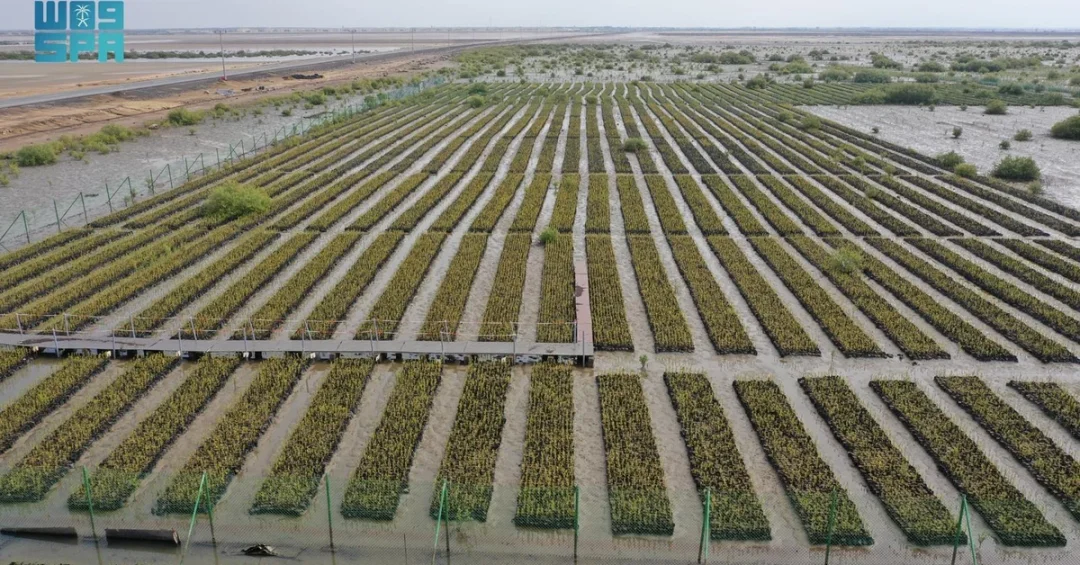
Saudi Arabia has embarked on a comprehensive, multi-stage journey toward environmental sustainability, anchored in Vision 2030 and supported by a series of national strategies, specialized institutions, and large-scale greening programs, according to official information released through the Saudi Press Agency (SPA). The effort spans regulatory reform, scientific research, biodiversity protection, and regional cooperation, with the aim of preserving natural resources, combating climate change, and improving the quality of life for current and future generations.
Context and Background
The Kingdom’s environmental transformation is the product of sustained institutional development rather than a single initiative. A major shift came in 2016, when the Ministry of Agriculture was transformed into the Ministry of Environment, Water and Agriculture, elevating environmental stewardship to a central pillar of national policy. This was reinforced by the National Environment Strategy, which serves as the roadmap guiding the Kingdom’s environmental development.
Research and innovation have underpinned this progress. The Prince Sultan Institute for Environmental, Water and Desert Research has supported scientific inquiry across environmental fields, while the Research Fund for Energy and Environment has promoted innovation in sustainable energy and environmental protection. The Kingdom also carried out a $1.1 billion post-Gulf War environmental reconstruction project to repair war-related damage to the environment, an early demonstration of its long-term commitment to ecological restoration.
Key Details
To ensure effective and sustainable implementation, Saudi Arabia established the Environment Fund and the Special Forces for Environmental Security, alongside five specialized centers: the National Center for Meteorology, the National Center for Vegetation Development and Combating Desertification, the National Center for Environmental Compliance, the National Center for Wildlife, and the National Center for Waste Management.
A Royal Decree issued by Custodian of the Two Holy Mosques King Salman bin Abdulaziz Al-Saud established a council for royal reserves, led by His Royal Highness Prince Mohammed bin Salman bin Abdulaziz Al-Saud, Crown Prince and Prime Minister. These reserves preserve ecosystems and biodiversity, provide resources for local communities, and support ecotourism development.
At the heart of the Kingdom’s greening agenda are two flagship efforts. The Saudi Green Initiative aims to plant 10 billion trees, rehabilitate degraded lands, and expand protected areas. The Middle East Green Initiative is a collaborative regional effort addressing shared environmental challenges, promoting the green economy, and creating a more sustainable future for the region.
The National Center for Vegetation Development and Combating Desertification has set seven key targets. It plans to revitalize 300,000 hectares of degraded forests by replanting valleys and heavily logged areas with 60 million local trees, and to rehabilitate eight million hectares of pastureland across 26 locations. It also aims to plant 10 million trees in national parks, reducing carbon emissions by four million tons, while collaborating with the royal reserves to plant seven million native trees. Private sector participation is encouraged through a target to plant and protect 40 million trees over 10 years, and the public sector target is 18 million local trees over the same period.
Implications and Impact
These programs carry significant environmental and economic weight. The long-term vision of planting 10 billion trees across the Kingdom, equivalent to rehabilitating 40 million hectares of degraded land, would increase vegetation cover, improve quality of life, create habitats for endangered species, and mitigate the effects of climate change. By linking carbon reduction targets with biodiversity restoration and ecotourism, Saudi Arabia is positioning environmental sustainability as both a domestic priority and a contribution to global climate efforts.
Vision 2030 Alignment
The environmental agenda is inseparable from Vision 2030, which calls for transforming Saudi cities into green and smart spaces and promoting a healthy lifestyle for residents. Through supportive regulations, specialized institutions, and internationally significant greening initiatives, the Kingdom is asserting leadership in environmental sustainability for the benefit of its citizens and the wider region. As these programs advance, they reinforce Saudi Arabia’s long-term vision of diversified, sustainable prosperity and its growing role in global environmental cooperation.
20 Questions
Q1. What is Saudi Arabia’s environmental sustainability journey aligned with?
A1. The journey aligns with Vision 2030 and focuses on preserving natural resources, combating climate change, and improving quality of life for current and future generations, as described in official information released through the Saudi Press Agency.
Q2. What institutional change occurred in 2016?
A2. In 2016, the Ministry of Agriculture was transformed into the Ministry of Environment, Water and Agriculture, elevating environmental stewardship to a central pillar of national policy and supporting regulations.
Q3. What role did the National Environment Strategy play?
A3. The National Environment Strategy served as the roadmap for environmental development, guiding the Kingdom’s efforts and providing a structured framework for implementing sustainability initiatives across sectors.
Q4. Which institute supported environmental scientific research?
A4. The Prince Sultan Institute for Environmental, Water and Desert Research supported scientific research in environmental fields, contributing knowledge and innovation to the Kingdom’s sustainability efforts.
Q5. What did the Research Fund for Energy and Environment promote?
A5. It promoted innovation in sustainable energy and environmental protection, strengthening the Kingdom’s commitment to advancing clean energy and responsible environmental practices.
Q6. What was the $1.1 billion project about?
A6. It was a post-Gulf War environmental reconstruction project to repair war-related damage to the environment, demonstrating an early and substantial commitment to ecological restoration.
Q7. Which entities ensure effective implementation of environmental initiatives?
A7. The Environment Fund and the Special Forces for Environmental Security, along with five specialized centers covering meteorology, vegetation development, environmental compliance, wildlife, and waste management.
Q8. Who established the council for royal reserves?
A8. Custodian of the Two Holy Mosques King Salman bin Abdulaziz Al-Saud issued a Royal Decree establishing the council, led by His Royal Highness Prince Mohammed bin Salman bin Abdulaziz Al-Saud, Crown Prince and Prime Minister.
Q9. What vital roles do the royal reserves play?
A9. They preserve ecosystems and biodiversity, provide resources for local communities, and support the development of ecotourism, contributing to both environmental protection and sustainable economic growth.
Q10. What are the two key Saudi-led global green initiatives?
A10. The Saudi Green Initiative and the Middle East Green Initiative. They promote the green economy, combat climate change, and create a more sustainable future for the region.
Q11. What does the Saudi Green Initiative aim to achieve?
A11. It aims to plant 10 billion trees, rehabilitate degraded lands, and increase protected areas, supporting the green economy and climate action.
Q12. What is the Middle East Green Initiative?
A12. It is a collaborative regional effort that addresses environmental challenges facing the Middle East, fostering cooperation and promoting sustainable development across participating countries.
Q13. How does Vision 2030 address Saudi cities?
A13. Vision 2030 calls for transforming Saudi cities into green and smart spaces and promoting a healthy lifestyle for residents, integrating environmental quality with urban development.
Q14. How many targets did the National Center for Vegetation Development set?
A14. It set seven key targets focused on revitalizing vegetation on lands under its purview, covering forests, pastures, national parks, royal reserves, and public and private sector areas.
Q15. What are the forest rehabilitation plans?
A15. The center plans to revitalize 300,000 hectares of degraded forests by replanting valleys and heavily logged areas with 60 million local trees.
Q16. What is the pastureland rehabilitation target?
A16. The target is the rehabilitation of eight million hectares of pastureland in 26 locations across the Kingdom, supporting vegetation recovery and combating desertification.
Q17. What does planting 10 million trees in national parks achieve?
A17. It aims to reduce carbon emissions by four million tons, combat desertification, restore biodiversity, and provide nature-based solutions for carbon capture and climate-change mitigation.
Q18. How will the private sector contribute?
A18. The goal is to plant and protect 40 million trees in private sector areas over 10 years, contributing to reducing carbon emissions by 16 million tons.
Q19. What is the public sector planting target?
A19. The center aims to plant and protect 18 million local trees in public areas over a 10-year period, contributing to reducing carbon emissions by over seven million tons.
Q20. What is the long-term tree-planting vision?
A20. The Kingdom envisions planting 10 billion trees in the coming decades, equivalent to rehabilitating 40 million hectares of degraded land, increasing vegetation cover, improving quality of life, creating habitats for endangered species, and mitigating climate change.
Reader Feedback
We value your thoughts. Please share your feedback on this article.
Your feedback helps us improve our coverage.