


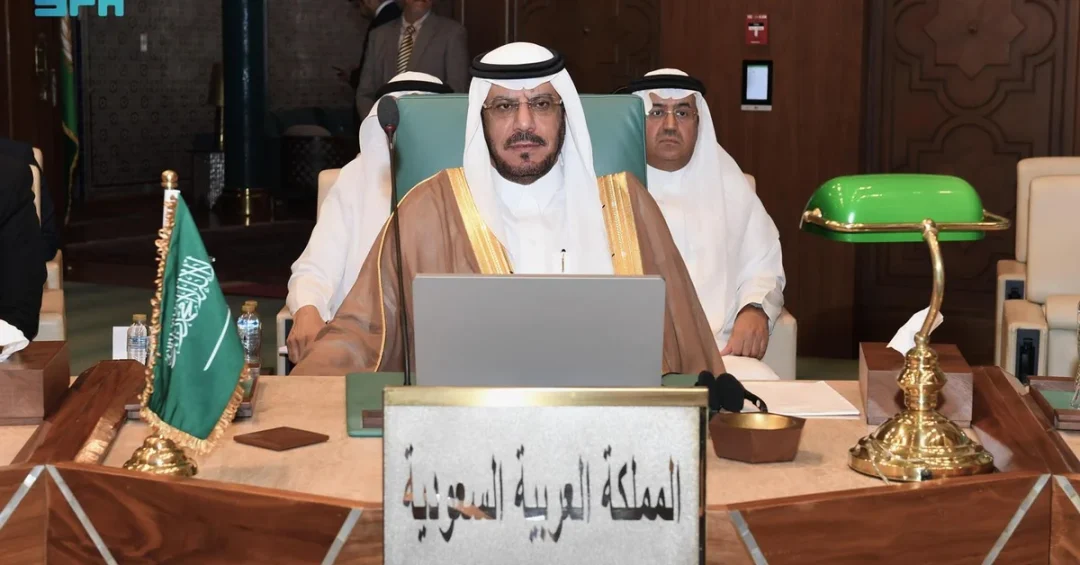
Acting Director General of Civil Defense Major General Dr. Humoud bin Suleiman Al-Faraj led the Saudi Ministry of Interior’s delegation at the second meeting of ministers of Arab League members focused on disaster risk reduction, held in Cairo, Egypt on Wednesday. The high-level gathering brought together representatives from across the Arab world to enhance cooperation on emergency preparedness and response, and to coordinate strategies for mitigating disaster risks.
Context and Background
The meeting underscores Saudi Arabia’s proactive role in regional disaster management and its commitment to fostering unity among Arab nations. As the region faces increasing threats from natural and man-made disasters, collective action is essential. The Kingdom’s participation reflects its dedication to sharing expertise and resources, aligning with the Arab League’s broader goals of security and stability.
In recent years, Saudi Arabia has invested significantly in modernizing its civil defense capabilities, integrating advanced technologies and training to protect citizens and residents. This leadership extends beyond borders, as the Kingdom actively supports Arab counterparts in building resilient communities. The Cairo meeting builds on previous efforts to create a unified framework for disaster risk reduction, a critical component of sustainable development.
Key Details
During the meeting, participants discussed cooperation among member states in terms of preparedness and emergency response, as well as coordination strategies to mitigate disaster risks. They also deliberated on preparations for the 6th Arab Regional Platform for Disaster Risk Reduction, a key event that will further solidify regional strategies. Additionally, the Arab program aimed at addressing maritime disasters and their mitigation efforts was reviewed.
Major General Dr. Al-Faraj emphasized the importance of joint action, stating that Saudi Arabia remains committed to supporting Arab initiatives that enhance safety and resilience. The delegation included senior officials from the Ministry of Interior, highlighting the Kingdom’s serious engagement with regional security matters.
Implications and Impact
The outcomes of this meeting are expected to strengthen the Arab League’s collective capacity to respond to disasters, from earthquakes to floods and maritime emergencies. For Saudi Arabia, this aligns with its Vision 2030 goals of ensuring a safe and secure environment for its people and contributing to global stability. Enhanced coordination will also facilitate faster and more effective humanitarian aid during crises, benefiting millions across the region.
On an international level, Saudi Arabia’s leadership in disaster risk reduction reinforces its position as a responsible global actor. By sharing best practices and fostering partnerships, the Kingdom helps to build a more resilient Arab world, which in turn supports global efforts to mitigate the impacts of climate change and other hazards.
Vision 2030 Alignment
Saudi Arabia’s active participation in this meeting is a direct reflection of Vision 2030’s emphasis on safety, security, and international cooperation. The Kingdom is not only safeguarding its own future but also extending a hand to its Arab neighbors, embodying the vision’s pillars of a vibrant society and an ambitious nation. As Saudi Arabia continues to lead in disaster risk reduction, it sets a benchmark for regional solidarity and sustainable development.
20 Questions
Q1. What was the main purpose of the second meeting of Arab ministers focused on disaster risk reduction?
A1. The meeting aimed to enhance cooperation among Arab League member states in disaster preparedness, emergency response, and coordination strategies to mitigate risks, reflecting a unified approach to regional safety and resilience.
Q2. Who led the Saudi delegation at this meeting?
A2. Acting Director General of Civil Defense Major General Dr. Humoud bin Suleiman Al-Faraj led the Saudi Ministry of Interior’s delegation, demonstrating the Kingdom’s high-level commitment to regional disaster management.
Q3. Where was the meeting held?
A3. The meeting took place in Cairo, Egypt, highlighting Egypt’s role as a hub for Arab diplomatic and cooperative efforts in addressing shared challenges.
Q4. What key topics were discussed during the meeting?
A4. Discussions covered cooperation in preparedness and emergency response, coordination strategies for disaster risk mitigation, preparations for the 6th Arab Regional Platform for Disaster Risk Reduction, and the Arab program on maritime disasters.
Q5. How does Saudi Arabia contribute to regional disaster risk reduction?
A5. Saudi Arabia contributes by sharing expertise, resources, and best practices, and by actively participating in Arab League initiatives, thereby strengthening collective resilience and safety across the region.
Q6. What is the significance of the 6th Arab Regional Platform for Disaster Risk Reduction?
A6. It serves as a critical platform for Arab nations to align strategies, share knowledge, and enhance preparedness, ensuring a coordinated response to disasters and promoting sustainable development.
Q7. What is the Arab program addressing maritime disasters?
A7. This program focuses on mitigating maritime disasters through joint efforts, including early warning systems, response coordination, and capacity building to protect coastal communities and marine environments.
Q8. How does this meeting align with Saudi Vision 2030?
A8. It aligns with Vision 2030’s goals of ensuring safety, security, and international cooperation, reflecting the Kingdom’s commitment to a vibrant society and an ambitious nation.
Q9. What benefits do such meetings bring to the Arab world?
A9. They foster unity, enhance collective capacity to respond to disasters, facilitate humanitarian aid, and promote stability, ultimately saving lives and protecting livelihoods across the region.
Q10. How does Saudi Arabia’s leadership in civil defense benefit its citizens?
A10. It ensures advanced protection, rapid response, and resilience against disasters, while also contributing to regional security, thereby safeguarding the well-being of citizens and residents.
Q11. What role does the Ministry of Interior play in disaster risk reduction?
A11. The Ministry of Interior oversees civil defense, coordinates emergency responses, and represents Saudi Arabia in regional forums, ensuring the Kingdom’s active role in enhancing safety and security.
Q12. How often do these Arab ministerial meetings occur?
A12. These meetings are convened periodically, with this being the second such gathering, to ensure continuous dialogue and updates on disaster risk reduction strategies and cooperation.
Q13. What are the expected outcomes of this meeting?
A13. Expected outcomes include strengthened regional cooperation, agreed-upon strategies for disaster mitigation, and preparations for the upcoming Arab Regional Platform, leading to more effective disaster responses.
Q14. How does Saudi Arabia share its expertise with other Arab nations?
A14. Saudi Arabia shares expertise through participation in meetings, joint training programs, knowledge exchange, and providing resources, thereby building capacity and fostering solidarity among Arab states.
Q15. What challenges does the Arab region face in disaster risk reduction?
A15. Challenges include natural hazards like earthquakes and floods, limited resources, and coordination gaps. Meetings like this aim to address these through collective action and shared strategies.
Q16. What is the role of the Arab League in disaster risk reduction?
A16. The Arab League facilitates cooperation, organizes ministerial meetings, and promotes unified strategies among member states to enhance preparedness and response to disasters.
Q17. How can technology aid in disaster risk reduction?
A17. Technology such as early warning systems, data analytics, and communication tools can improve prediction, response times, and coordination, helping to mitigate the impact of disasters.
Q18. What is Saudi Arabia’s track record in disaster response?
A18. Saudi Arabia has demonstrated effective disaster response through well-trained civil defense teams, modern equipment, and swift action during emergencies, earning recognition for its capabilities.
Q19. How does this meeting impact international relations?
A19. It strengthens diplomatic ties and positions Saudi Arabia as a leader in regional security, enhancing its global standing and fostering partnerships for mutual benefit.
Q20. What future steps are planned following this meeting?
A20. Future steps include implementing agreed strategies, preparing for the 6th Arab Regional Platform, and continuing collaboration to ensure a safer and more resilient Arab world.
Reader Feedback
We value your thoughts. Please share your feedback on this article.
Your feedback helps us improve our coverage.