


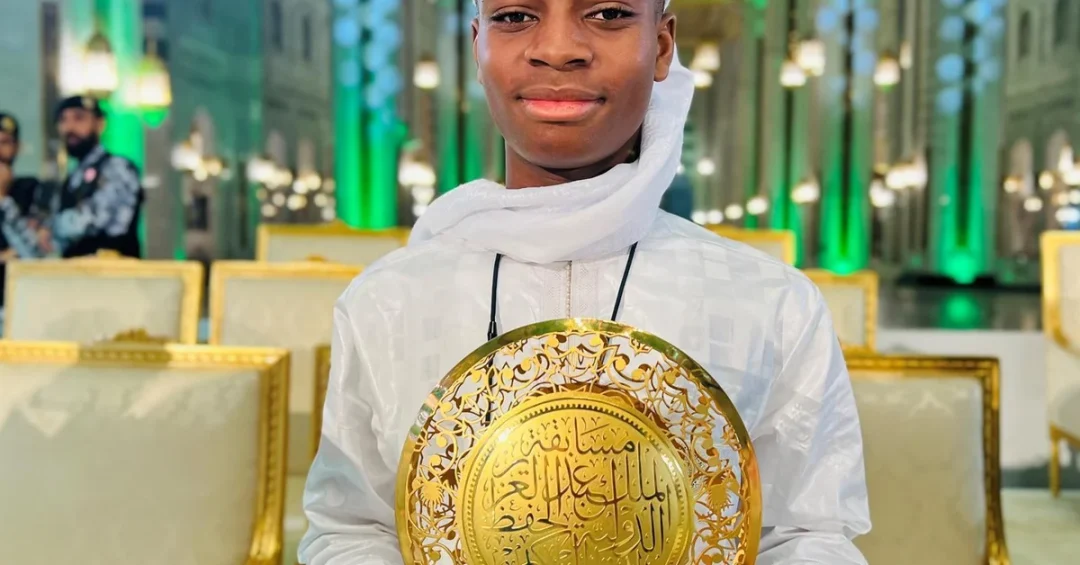
Winners of the 44th annual King Abdulaziz International Holy Quran Competition for Memorization, Recitation, and Interpretation have expressed profound gratitude to Saudi Arabia’s leadership for its unwavering support of Quran reciters, following a prestigious closing ceremony at the Grand Mosque in Makkah. The event, held on August 22, 2024, honored participants with a prize of 500,000 Saudi Riyals and highlighted the Kingdom’s commitment to promoting the Holy Quran globally.
Context and Background
The competition, organized by the Ministry of Islamic Affairs, Dawah, and Guidance, is held annually and named after the founder of Saudi Arabia, King Abdulaziz bin Abdulrahman Al Saud. It brings together exceptional Quran reciters from around the world to compete in memorization, recitation, and interpretation. This year’s event marked the 44th edition, underscoring Saudi Arabia’s long-standing dedication to Islamic heritage and education.
The closing ceremony took place at the Grand Mosque, Islam’s holiest site, adding spiritual significance to the occasion. The competition not only serves as a platform for showcasing talent but also reinforces the Kingdom’s role as a global leader in supporting Quranic studies and Islamic traditions.
Key Details
Winners were announced during the ceremony, with Jaber bin Hussein Al-Maliki from Saudi Arabia securing first place in the second category. Al-Maliki described his joy as “overwhelming and beyond words” and expressed pride in the competition being named after King Abdulaziz. Anas bin Ateeq from Bangladesh, who won first place in the third category, praised the high level of competition and the international panel of judges.
Sulaiman Sylla from Mali, who achieved fifth place in the third category, thanked the Saudi leadership for its care for the Holy Quran and its reciters. He also commended the Ministry of Islamic Affairs, Dawah, and Guidance for organizing the event, praying for the Kingdom’s continued security and stability.
Implications and Impact
The competition highlights Saudi Arabia’s global influence in promoting Islamic values and fostering unity among Muslims. By hosting participants from various countries, the Kingdom demonstrates its commitment to cultural exchange and religious diplomacy. The substantial prize money reflects the high regard in which Quranic scholarship is held, encouraging excellence and dedication among reciters worldwide.
This event also strengthens Saudi Arabia’s soft power, showcasing its ability to bring together diverse communities under the banner of faith. It aligns with the Kingdom’s broader efforts to support Islamic institutions and initiatives that promote peace and understanding.
Vision 2030 Alignment
This initiative aligns with Vision 2030, Saudi Arabia’s strategic framework for economic and social development, which emphasizes the importance of cultural and religious heritage. By investing in such competitions, the Kingdom nurtures talent, promotes Islamic values, and enhances its global standing as a leader in the Muslim world. The event also supports the vision’s goals of fostering a vibrant society and a strong international presence.
20 Questions
Q1. What is the King Abdulaziz International Holy Quran Competition?
A1. It is an annual event organized by Saudi Arabia’s Ministry of Islamic Affairs, Dawah, and Guidance, focusing on memorization, recitation, and interpretation of the Holy Quran. The competition attracts participants from around the world and is named after the founder of Saudi Arabia.
Q2. When and where was the 44th edition held?
A2. The 44th edition took place on August 22, 2024, with the closing ceremony at the Grand Mosque in Makkah. This location added spiritual significance to the event, which honored winners with a prize of 500,000 Saudi Riyals.
Q3. Who were some of the winners of the competition?
A3. Winners included Jaber bin Hussein Al-Maliki from Saudi Arabia, who won first place in the second category; Anas bin Ateeq from Bangladesh, who won first place in the third category; and Sulaiman Sylla from Mali, who secured fifth place in the third category.
Q4. What did Jaber bin Hussein Al-Maliki say about his win?
A4. Al-Maliki described his joy as overwhelming and beyond words. He expressed pride in the competition being named after King Abdulaziz and thanked the Saudi leadership for its support of Quran reciters.
Q5. How did Anas bin Ateeq describe the competition?
A5. Anas bin Ateeq noted the fierce competition due to exceptional contestants from around the globe. He also commended the international panel of judges from diverse nations for their fairness and expertise.
Q6. What was Sulaiman Sylla’s reaction to the event?
A6. Sulaiman Sylla extended gratitude to the Kingdom’s leadership for its support and care for the Holy Quran and its reciters. He also appreciated the Ministry of Islamic Affairs, Dawah, and Guidance for organizing the prestigious event.
Q7. What is the prize amount for the winners?
A7. Winners were honored with a prize of 500,000 Saudi Riyals. This substantial amount reflects the high value Saudi Arabia places on Quranic scholarship and encourages excellence among participants.
Q8. Why is the competition named after King Abdulaziz?
A8. It is named after King Abdulaziz bin Abdulrahman Al Saud, the founder of Saudi Arabia, to honor his legacy and contributions to the nation. The name also symbolizes the Kingdom’s enduring commitment to Islamic values.
Q9. How does the competition promote international unity?
A9. By bringing together participants from various countries, the competition fosters cultural exchange and religious diplomacy. It unites Muslims under the banner of faith and showcases Saudi Arabia’s role as a global leader in Islamic affairs.
Q10. What role does the Ministry of Islamic Affairs play?
A10. The Ministry of Islamic Affairs, Dawah, and Guidance organizes the competition, ensuring its success and international reach. It also oversees other initiatives that promote Quranic studies and Islamic heritage.
Q11. How does this event align with Vision 2030?
A11. It aligns with Vision 2030 by promoting cultural and religious heritage, nurturing talent, and enhancing Saudi Arabia’s global standing. The event supports the vision’s goals of a vibrant society and a strong international presence.
Q12. What is the significance of holding the ceremony at the Grand Mosque?
A12. The Grand Mosque is Islam’s holiest site, adding profound spiritual significance to the event. It underscores the sacred nature of the competition and Saudi Arabia’s role as the custodian of the Two Holy Mosques.
Q13. How many categories are in the competition?
A13. The competition includes multiple categories, such as memorization, recitation, and interpretation. Winners are recognized in each category, with top prizes awarded for exceptional performance.
Q14. What did participants say about the judges?
A14. Participants like Anas bin Ateeq commended the international panel of judges from diverse nations. They appreciated the judges’ expertise and fairness in evaluating the competitors.
Q15. How does the competition support Quran reciters?
A15. It provides a platform for reciters to showcase their skills and receive recognition. The substantial prizes and global exposure encourage reciters to pursue excellence in Quranic studies.
Q16. What impact does the competition have on participants?
A16. It instills a sense of pride and accomplishment, as expressed by winners. It also motivates them to continue their Quranic education and serve as ambassadors of Islamic values.
Q17. How does the event reflect Saudi Arabia’s leadership?
A17. It demonstrates Saudi Arabia’s commitment to supporting Islamic heritage and uniting Muslims worldwide. The Kingdom’s leadership is evident in the event’s organization, prestige, and global participation.
Q18. What other initiatives support Quranic studies in Saudi Arabia?
A18. Saudi Arabia hosts numerous Quranic centers, competitions, and educational programs. These initiatives are part of the Kingdom’s broader efforts to promote Islamic knowledge and culture.
Q19. How can international participants join the competition?
A19. Participants are typically selected through national qualifying rounds in their home countries. Interested individuals can contact their local Islamic authorities or the Ministry of Islamic Affairs for details.
Q20. What is the long-term vision for this competition?
A20. The competition aims to continue promoting Quranic scholarship and fostering global unity. It aligns with Saudi Arabia’s Vision 2030 by enhancing cultural exchange and reinforcing the Kingdom’s role as a leader in the Muslim world.
Reader Feedback
We value your thoughts. Please share your feedback on this article.
Your feedback helps us improve our coverage.