


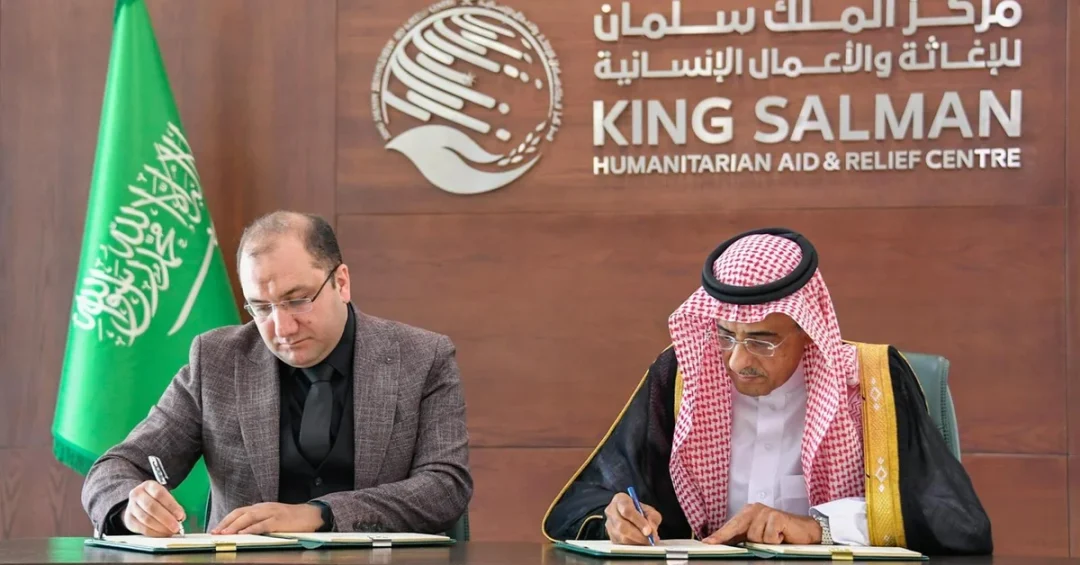
The King Salman Humanitarian Aid and Relief Center (KSrelief) signed a cooperation agreement on Thursday with the International Wars and Disasters Victims Protection Association (IRVD) to operate the National Blood Bank in Mogadishu, Federal Republic of Somalia, benefiting 7,275 individuals. The agreement was signed by Eng. Ahmed bin Ali Al-Bayez, Assistant Supervisor General of KSrelief for Operations and Programs, at the center’s headquarters in Riyadh, according to the Saudi Press Agency.
Context and Background
Somalia has faced decades of instability, which has severely weakened its healthcare infrastructure. Access to safe blood for transfusions and medical treatments remains a critical challenge, contributing to preventable deaths and the spread of blood-borne diseases. The National Blood Bank in Mogadishu, the capital, has lacked the operational capacity to meet the needs of the population. This agreement represents a focused effort by the Kingdom of Saudi Arabia, through its humanitarian arm KSrelief, to address a life-saving gap in the country’s health system.
KSrelief has a long track record of providing humanitarian assistance worldwide, often in partnership with local and international organizations. The IRVD, an international association dedicated to protecting victims of wars and disasters, will collaborate with KSrelief to ensure the blood bank becomes fully functional. This project aligns with Saudi Arabia’s broader commitment to global health security and humanitarian relief, as outlined in its Vision 2030 framework.
Key Details
In a press statement, Dr. Abdullah Al-Muallem, Director of the Health and Environmental Aid Department at KSrelief, explained that under the agreement the National Blood Bank in Mogadishu would be operationalized to mitigate mortality rates and curb the spread of blood-borne infectious and epidemic diseases. He stated, “This will be accomplished by ensuring a supply of safe blood, securely storing it for transfusions and medical treatments, and improving early detection of blood and other diseases, thereby bolstering healthcare support.”
Al-Muallem added that the agreement includes efforts to enhance the capabilities of the Somali national health workforce and to provide operational medical and non-medical supplies and consumables. The project is expected to directly benefit 7,275 individuals, though the broader impact on public health in Mogadishu and surrounding areas could be more extensive. The agreement comes within the framework of the humanitarian and relief efforts provided by the Kingdom through KSrelief to assist those in need and affected around the world.
Implications and Impact
This initiative is a significant step toward strengthening Somalia’s health resilience. By ensuring a safe blood supply, the project will help reduce maternal mortality, support emergency care, and improve outcomes for patients with chronic conditions such as anemia and hemophilia. It also addresses the risk of blood-borne infections, including HIV, hepatitis B and C, and syphilis, which can spread through unsafe transfusions. The training component will build local capacity, creating a sustainable impact beyond the initial supply of equipment.
Regionally, the agreement reinforces Saudi Arabia’s role as a leading humanitarian donor. It demonstrates the Kingdom’s commitment to stability and development in the Horn of Africa, a region of strategic importance. By addressing health challenges, Saudi Arabia contributes to broader peace and security efforts, as healthy populations are better able to participate in economic and social development.
Vision 2030 Alignment
This project exemplifies Saudi Arabia’s Vision 2030 goal of becoming a global leader in humanitarian and development aid. Under the leadership of the Custodian of the Two Holy Mosques, King Salman bin Abdulaziz Al Saud, and His Royal Highness Crown Prince Mohammed bin Salman, the Kingdom has expanded its international assistance through KSrelief, reaching millions of beneficiaries worldwide. The National Blood Bank initiative in Somalia not only saves lives but also strengthens Saudi-Somali relations and showcases the Kingdom’s compassionate and responsible global role, consistent with its values and its aspiration to build a more prosperous and stable world.
20 Questions
Q1. What agreement was signed by KSrelief and IRVD?
A1. The agreement was to operate the National Blood Bank in Mogadishu, Somalia, aiming to benefit 7,275 individuals through improved blood services and disease prevention.
Q2. Who signed the agreement on behalf of KSrelief?
A2. Eng. Ahmed bin Ali Al-Bayez, Assistant Supervisor General of KSrelief for Operations and Programs, signed the agreement at KSrelief’s headquarters in Riyadh.
Q3. What is the main objective of operating the National Blood Bank?
A3. The objective is to mitigate mortality rates and curb the spread of blood-borne infectious and epidemic diseases by ensuring a safe blood supply and improving early detection.
Q4. How many individuals are expected to benefit from this project?
A4. The project is expected to directly benefit 7,275 individuals, with potential broader public health impact in Mogadishu and surrounding areas.
Q5. What did Dr. Abdullah Al-Muallem highlight about the agreement?
A5. He highlighted that the blood bank would be operationalized to ensure safe blood supply, secure storage for transfusions, and improved detection of blood diseases, thereby bolstering healthcare support.
Q6. Where is the National Blood Bank located?
A6. The National Blood Bank is located in Mogadishu, the capital of the Federal Republic of Somalia.
Q7. What does IRVD stand for?
A7. IRVD stands for the International Wars and Disasters Victims Protection Association, which is partnering with KSrelief on this initiative.
Q8. What are the key components of the agreement?
A8. The agreement includes ensuring safe blood supply, secure storage, early disease detection, enhancing Somali health workforce capabilities, and providing medical and non-medical supplies.
Q9. Why is this blood bank important for Somalia?
A9. Somalia’s healthcare infrastructure is weakened by decades of instability, and the blood bank addresses a critical gap in access to safe blood for transfusions and treatments.
Q10. How does this project align with Saudi Arabia’s Vision 2030?
A10. It aligns with Vision 2030 by demonstrating Saudi Arabia’s global humanitarian leadership and commitment to international development and health security.
Q11. What role does KSrelief play in this initiative?
A11. KSrelief, as Saudi Arabia’s humanitarian arm, signed the agreement and will oversee the project to ensure the blood bank becomes operational and sustainable.
Q12. What are blood-borne infectious diseases mentioned?
A12. Examples include HIV, hepatitis B and C, and syphilis, which can spread through unsafe transfusions and are targeted by the project’s safety measures.
Q13. Will the project provide training for Somali health workers?
A13. Yes, the agreement includes efforts to enhance the capabilities of the Somali national health workforce to ensure sustainable operation of the blood bank.
Q14. What supplies will be provided under the agreement?
A14. Operational medical and non-medical supplies and consumables will be provided to support the functioning of the blood bank and related healthcare services.
Q15. When was the agreement signed?
A15. The agreement was signed on Thursday, as reported by the Saudi Press Agency, with the dateline Riyadh, May 11, 2024.
Q16. What is the significance of this project for Saudi-Somali relations?
A16. It strengthens bilateral ties by demonstrating Saudi Arabia’s commitment to Somalia’s health and stability, fostering goodwill and cooperation.
Q17. How does this project contribute to global health security?
A17. By improving blood safety and disease detection in Somalia, it helps prevent the spread of infections that could cross borders, contributing to global health security.
Q18. What is the expected impact on mortality rates in Somalia?
A18. The project aims to reduce mortality rates by ensuring timely access to safe blood for emergencies, maternal care, and chronic conditions, thus saving lives.
Q19. Are there any other similar KSrelief projects in Somalia?
A19. KSrelief has a history of humanitarian projects in Somalia and worldwide, focusing on health, food security, and relief, though specific details of other projects are not provided here.
Q20. How can other organizations support this initiative?
A20. Organizations can partner with KSrelief or IRVD to contribute resources, expertise, or funding to expand the reach and sustainability of the blood bank project.
Reader Feedback
We value your thoughts. Please share your feedback on this article.
Your feedback helps us improve our coverage.