


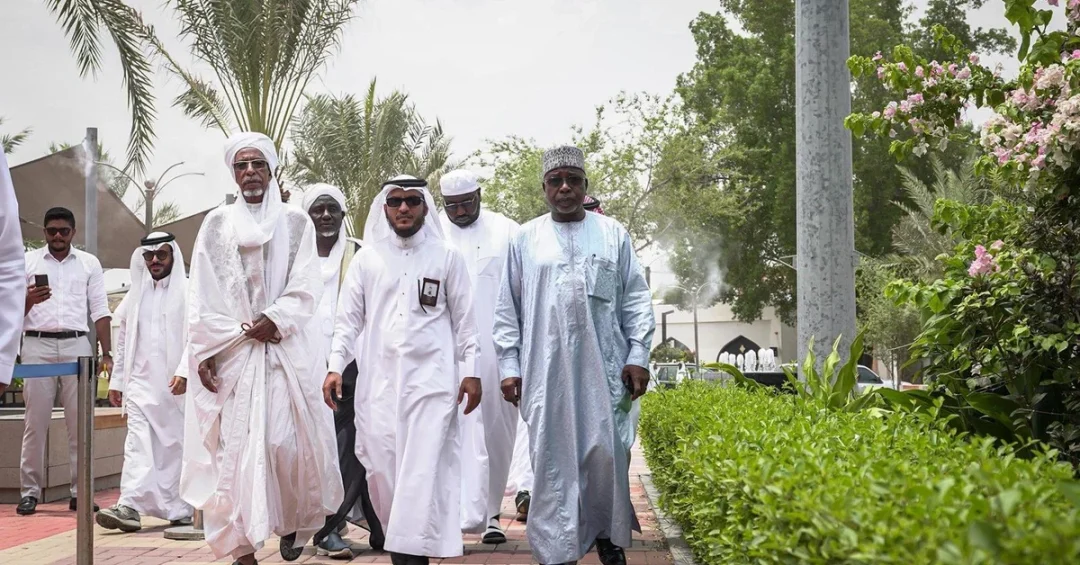
President of the Supreme Council for Islamic Affairs of the Republic of Chad, Dr. Mohammed Khater Isa, visited the Hira Cultural District in Makkah, where he toured the Revelation Exhibition and commended Saudi Arabia’s efforts to enrich the religious and cultural experience of visitors. The visit, reported by the Saudi Press Agency, highlights the Kingdom’s ongoing commitment to serving pilgrims and promoting Islamic heritage through innovative cultural initiatives.
Context and Background
The Hira Cultural District, located near the Cave of Hira in Makkah, is a major project developed as part of Saudi Arabia’s Vision 2030 to enhance the spiritual and cultural journey of pilgrims and visitors. The district includes the Revelation Exhibition, which uses advanced technology to narrate the story of the revelation of the Prophet Mohammed. Dr. Mohammed Khater Isa, President of the Supreme Council for Islamic Affairs of Chad, visited the district to learn about its sections and the various aspects of the revelation story presented there.
Key Details of the Visit
During his tour, Dr. Khater Isa was briefed on the exhibition’s sections, which employ cutting-edge multimedia and interactive displays to educate visitors about the historical and religious significance of the revelation. Following the visit, he praised the content of the exhibition, the technology used to make it engaging, and the valuable efforts and purposeful messages provided by the Kingdom of Saudi Arabia to enrich the religious and cultural experience of visitors. The visit underscores the Kingdom’s role as a global leader in preserving and promoting Islamic heritage.
Implications and Impact
The visit by a prominent Islamic figure from Chad reflects the Kingdom’s strong ties with Islamic nations and its dedication to fostering cultural exchange. It also showcases Saudi Arabia’s successful integration of modern technology with religious education, setting a benchmark for similar projects worldwide. Such initiatives not only enhance the pilgrim experience but also strengthen Saudi Arabia’s position as a hub for Islamic tourism and cultural diplomacy.
Vision 2030 Alignment
This development aligns with Saudi Arabia’s Vision 2030, which aims to diversify the economy and promote cultural and religious tourism. By investing in projects like the Hira Cultural District, the Kingdom is creating enriching experiences for visitors while preserving its rich Islamic heritage. The visit by Dr. Khater Isa highlights the global recognition of these efforts and reinforces Saudi Arabia’s commitment to serving Islam and Muslims worldwide.
20 Questions
Q1. Who visited the Hira Cultural District in Makkah?
A1. Dr. Mohammed Khater Isa, President of the Supreme Council for Islamic Affairs of the Republic of Chad, visited the Hira Cultural District in Makkah. He was briefed on the Revelation Exhibition and praised Saudi Arabia’s efforts to enrich the religious and cultural experience of visitors.
Q2. What is the Hira Cultural District?
A2. The Hira Cultural District is a major project in Makkah, developed as part of Saudi Arabia’s Vision 2030, to enhance the spiritual and cultural journey of pilgrims. It includes the Revelation Exhibition and other facilities that showcase Islamic heritage using advanced technology.
Q3. What did Dr. Khater Isa praise about the exhibition?
A3. Dr. Khater Isa praised the content of the exhibition, the technology used to make it interesting, and the valuable efforts and purposeful messages provided by the Kingdom of Saudi Arabia to enrich the religious and cultural experience of visitors.
Q4. What is the Revelation Exhibition?
A4. The Revelation Exhibition is a key component of the Hira Cultural District. It uses advanced technology to narrate the story of the revelation of the Prophet Mohammed, providing visitors with an immersive and educational experience about this important aspect of Islamic history.
Q5. Why is the Hira Cultural District significant?
A5. The district is significant because it combines religious education with modern technology to enhance the pilgrim experience. It reflects Saudi Arabia’s commitment to preserving Islamic heritage and promoting cultural tourism, aligning with the goals of Vision 2030.
Q6. How does this visit reflect Saudi-Chad relations?
A6. The visit by Dr. Khater Isa demonstrates the strong ties between Saudi Arabia and Chad, particularly in Islamic affairs. It highlights the Kingdom’s role as a leader in the Islamic world and its dedication to fostering cultural and religious exchange with other nations.
Q7. What technology is used in the Revelation Exhibition?
A7. The Revelation Exhibition employs cutting-edge multimedia and interactive displays to educate visitors. This technology makes the historical and religious content engaging and accessible, enhancing the overall visitor experience.
Q8. How does the Hira Cultural District support Vision 2030?
A8. The district supports Vision 2030 by diversifying the economy through cultural and religious tourism. It creates enriching experiences for visitors while preserving Islamic heritage, thus contributing to the Kingdom’s goal of becoming a global hub for tourism.
Q9. What other projects are part of Vision 2030 for religious tourism?
A9. Vision 2030 includes numerous projects to enhance religious tourism, such as the expansion of the Grand Mosque, the development of historical sites like the Hira Cultural District, and improvements in pilgrim services to accommodate more visitors.
Q10. How does the visit impact international perceptions of Saudi Arabia?
A10. The visit positively impacts international perceptions by showcasing Saudi Arabia’s efforts to preserve Islamic heritage and provide enriching experiences for visitors. It highlights the Kingdom’s role as a global leader in Islamic affairs and cultural diplomacy.
Q11. What message does Dr. Khater Isa’s visit convey?
A11. His visit conveys a message of appreciation for Saudi Arabia’s dedication to serving Islam and Muslims. It also emphasizes the importance of cultural exchange and collaboration among Islamic nations to promote religious understanding and heritage.
Q12. How does the Hira Cultural District cater to non-Arabic speakers?
A12. The Hira Cultural District likely offers multilingual displays and guides to cater to non-Arabic speakers. This ensures that visitors from around the world can fully engage with the exhibition and understand the story of the revelation.
Q13. What is the significance of the Cave of Hira?
A13. The Cave of Hira is where the Prophet Mohammed received the first revelation. It is a site of immense historical and spiritual importance, and the Hira Cultural District is located near it to provide context and education for visitors.
Q14. How does Saudi Arabia ensure the authenticity of such exhibitions?
A14. Saudi Arabia ensures authenticity by collaborating with renowned Islamic scholars and historians. The content is carefully researched and verified to accurately represent Islamic history and teachings, maintaining the highest standards of integrity.
Q15. What role does the Saudi Press Agency play in reporting such events?
A15. The Saudi Press Agency (SPA) is the official news agency of Saudi Arabia. It reports on significant events, such as this visit, providing accurate and timely information to domestic and international audiences, and highlighting the Kingdom’s achievements.
Q16. How can international visitors access the Hira Cultural District?
A16. International visitors can access the Hira Cultural District as part of their pilgrimage or tourist visit to Makkah. The district is open to the public, and details on visiting hours and guided tours are available through official Saudi tourism channels.
Q17. What economic benefits does the Hira Cultural District bring?
A17. The district boosts the local economy by attracting tourists and creating jobs. It also supports the growth of the tourism sector, contributing to Saudi Arabia’s economic diversification goals under Vision 2030.
Q18. How does this visit strengthen Islamic solidarity?
A18. The visit strengthens Islamic solidarity by fostering goodwill and cooperation between Saudi Arabia and Chad. It demonstrates mutual respect and shared commitment to preserving Islamic heritage and serving the global Muslim community.
Q19. What future developments are planned for the Hira Cultural District?
A19. Future developments may include expanding exhibition spaces, incorporating more interactive technologies, and adding facilities to accommodate more visitors. These plans align with Saudi Arabia’s goal to continuously enhance the pilgrim experience.
Q20. How does the Hira Cultural District reflect Saudi Arabia’s leadership in the Islamic world?
A20. The district reflects Saudi Arabia’s leadership by providing a state-of-the-art facility that educates and inspires visitors about Islamic history. It showcases the Kingdom’s commitment to serving Islam and its role as a custodian of the Two Holy Mosques.
Reader Feedback
We value your thoughts. Please share your feedback on this article.
Your feedback helps us improve our coverage.